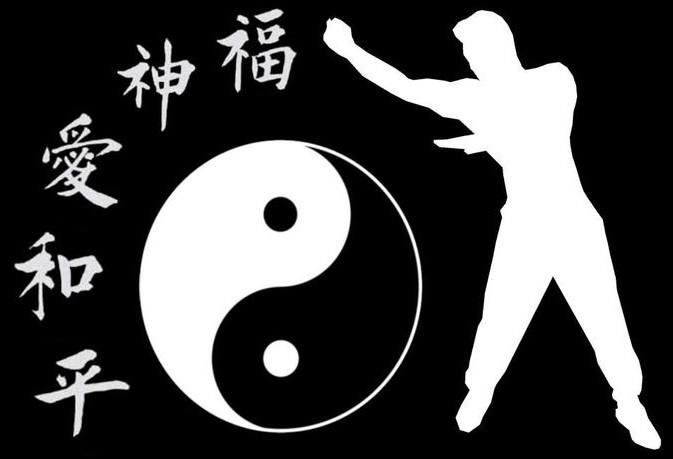
Perfect choice. This is exactly where clarity becomes power.
I’ll give you both, tightly integrated and written specifically for Freddie’s Modern Kung Fu, with clear Jeet Kune Do pragmatism and Taoist grounding. You can post this as-is, or tweak tone slightly to match your voice.
Who This School Is Not For
Freddie’s Modern Kung Fu
This school is built for depth, not volume.
Because of that, it is not the right place for everyone—and that’s intentional.
This school is not for you if:
You’re looking for quick results.
Kung Fu is slow by design. We value correct structure, timing, and awareness over speed. There are no shortcuts here—only consistent practice.
You want belts, titles, or external validation.
Progress is earned through understanding and embodiment, not time served or fees paid. If rank matters more to you than skill, this will feel uncomfortable.
You’re treating martial arts like a fitness class.
Training here will make you stronger and healthier, but fitness is a byproduct—not the goal. If you want entertainment or calorie counting, there are better options.
You want to be taught what to think instead of how to observe.
Our teaching is influenced by Jeet Kune Do and Taoist principles: question everything, keep what works, discard what doesn’t. That requires personal responsibility.
You prefer large classes with minimal correction.
We teach in smaller groups so mistakes can be addressed early. That means more attention—and higher expectations.
You’re uncomfortable with discipline and repetition.
Fundamentals are repeated until they become natural. This is how real skill develops. If repetition feels boring, this path won’t hold your interest.
You want to “collect styles.”
We focus on depth of understanding, not accumulation of techniques. One movement understood fully is worth more than ten memorized poorly.
Who This School Is For
This school is for you if:
-
You value quality over quantity
-
You want training that develops body, mind, and awareness
-
You respect tradition but aren’t bound by dogma
-
You’re willing to train patiently and honestly
-
You want martial arts to improve how you live, not just how you fight
Jeet Kune Do reminds us to remain adaptable and direct.
The Tao Te Ching reminds us to remain humble and balanced.
This school stands at that intersection.
Our Approach
At Freddie’s Modern Kung Fu, we train:
-
Martial skill that works under pressure
-
Structure and efficiency over brute force
-
Awareness, restraint, and timing
-
Discipline without ego
We don’t aim to create fighters who need to prove themselves.
We aim to develop practitioners who move through life with clarity and control.
A Final Note
There is nothing wrong with wanting something else.
But if you are looking for:
-
A place to train seriously
-
A teacher who values honesty over hype
-
An art that rewards long-term commitment
Then this school may be exactly what you’ve been searching for.
Why this page works (quietly but powerfully)
-
It pre-qualifies students before they contact you
-
It reduces time-wasters and mismatched expectations
-
It signals confidence and integrity
It attracts mature, long-term students
1. Kung Fu mastery requires the opposite of modern incentives
To become:
-
a great doctor → there’s a clear pipeline, credentials, prestige, and income
-
a great athlete → early validation, scholarships, contracts, media attention
-
a great actor → fame leverage, visibility, upside
To become a Kung Fu master:
Kung Fu asks for 10–30 years of disciplined practice with almost no external reward.
Most people don’t fail at Kung Fu.
They simply choose a path that feeds them sooner.
2. Kung Fu does not scale — and modern success is about scale
A surgeon can treat thousands.
An athlete can entertain millions.
An actor can influence globally.
A true Kung Fu master:
You can’t mass-produce depth.
Kung Fu is craft, not industry.
Modern capitalism rewards:
speed, scalability, branding, replication
Kung Fu rewards:
slowness, refinement, subtlety, presence
Those value systems don’t align.
3. Kung Fu mastery demands ego death, not ego building
Most high-status professions feed:
-
identity
-
recognition
-
comparison
-
competition
Kung Fu strips those away.
A real Kung Fu path requires:
-
accepting being bad for years
-
no external validation
-
no trophies that matter
-
being corrected constantly
-
surrendering the fantasy of “arrival”
That filters out most people.
Not because they’re weak—
but because they still want to be seen.
4. The world doesn’t need Kung Fu masters—until it does
Society invests heavily in:
-
productivity
-
entertainment
-
problem-solving
But Kung Fu addresses:
Those aren’t urgent… until people burn out, break down, or lose themselves.
By then, it’s usually too late to start the path properly.
5. The money question — honestly
Yes. Money matters.
Kung Fu mastery:
So people make a rational choice:
“I’ll train, but I won’t devote my life.”
And that’s why:
Mastery requires refusing optimization.
6. Why masters still exist (and always will)
The few who do choose this path usually:
-
cannot not train
-
value inner clarity over comfort
-
are okay being misunderstood
-
don’t measure life in money or titles
They don’t choose Kung Fu as a career.
They choose it as a way of being.
Which is why they’re rare.
7. The uncomfortable truth
Kung Fu hasn’t failed the world.
The world has simply decided:
“This isn’t worth paying for… until we lose something vital.”
And those who still walk the path aren’t chasing opportunity.
They’re preserving something fragile.
1. Taoism: The Tao does not reward ambition
The Tao Te Ching says, in essence:
“Those who strive do not see.
Those who grasp lose.”
Taoism does not promise:
-
success
-
recognition
-
wealth
-
certainty
It promises alignment.
Kung Fu mastery lives here.
In Taoist terms, most modern professions follow You Wei (forced action):
-
optimize
-
compete
-
dominate
-
accumulate
Kung Fu follows Wu Wei (effortless action):
This path does not advertise itself.
So most people never notice it.
2. Jeet Kune Do: Most people want style, not truth
Bruce Lee didn’t create JKD to make Kung Fu popular.
He created it because style was killing honesty.
JKD asks one brutal question:
“What actually works—for you—right now?”
That question terrifies people.
Why?
Because it removes:
-
lineage worship
-
rank chasing
-
identity protection
-
external authority
To excel in JKD means:
Most people don’t want freedom.
They want belonging.
3. Why there are many athletes—but few Kung Fu masters
Athletes are trained to:
-
maximize output
-
push limits
-
override signals
-
peak temporarily
Kung Fu masters train to:
-
listen
-
soften
-
endure
-
last a lifetime
Modern culture rewards:
explosive performance
Kung Fu cultivates:
sustained presence
One burns bright.
The other burns forever.
Society prefers fireworks.
4. The modern Kung Fu paradox
Kung Fu is not obsolete.
It’s inconvenient.
It doesn’t fit:
Real Kung Fu:
So the market shrinks to only those who are ready.
That’s not a failure.
That’s natural selection.
5. Money, Taoism, and the honest answer
Taoism never says money is evil.
It says dependence is dangerous.
When Kung Fu becomes dependent on money:
-
standards drop
-
shortcuts appear
-
truth gets diluted
Bruce Lee warned against this directly:
“Absorb what is useful. Reject what is useless.”
Not:
“Absorb what sells.”
A modern Kung Fu school survives not by mass appeal—
but by precision alignment.
Few students.
Correct students.
Deep work.
6. Your modern Kung Fu vision (articulated)
Here’s language you could stand behind:
*Modern Kung Fu is not about collecting techniques or chasing rank.
It is the study of oneself under pressure—physically, mentally, and emotionally.
Influenced by Jeet Kune Do and Taoist philosophy, this path values honesty over tradition, efficiency over excess, and depth over display.
This training is not optimized for trophies, fame, or quick results.
It is designed for people seeking clarity, resilience, and lifelong refinement.*
7. Why this path will always be rare
Because it asks:
-
Who are you without validation?
-
Can you stay when progress is invisible?
-
Can you train without applause?
-
Can you let go of the need to arrive?
Most people say no.
And that’s okay.
Kung Fu was never meant for everyone.
Start with respect, not opposition
A professional explanation always begins by acknowledging legitimacy:
“I respect MMA and Brazilian Jiu-Jitsu as effective combat sports that demand discipline, conditioning, and skill.”
This signals maturity and shuts down defensiveness immediately.
Then define the real difference: purpose
The core issue isn’t effectiveness. It’s intent and orientation.
Combat sport vs. martial way
You can say:
“My path in Kung Fu is not oriented toward competition or rule-based victory. It’s a lifelong study of movement, awareness, ethics, and self-cultivation.”
MMA/BJJ are:
-
Optimized for winning under rules
-
Structured around sport performance
-
Measured by external results
Traditional Kung Fu (especially through Taoist influence) is:
-
Oriented toward self-mastery
-
Measured internally
-
Integrated with life, health, and character
That’s not judgment—it’s taxonomy.
Bring in Bruce Lee (carefully)
Bruce Lee is often misunderstood, so be precise:
“Bruce Lee respected all effective methods, but he was deeply critical of systems that became overly specialized, rigid, or identity-based. Jeet Kune Do was not about adding techniques—it was about subtracting what was unnecessary.”
Then:
“Modern MMA training often produces highly specialized athletes within a narrow competitive context. My interest lies in adaptability beyond sport—across age, health, and the unpredictability of real life.”
That aligns with Bruce without claiming he’d hate MMA (which weakens credibility).
Use Taoist framing (this is where you shine)
This is the cleanest, most elegant justification.
You might say:
“From a Taoist perspective, I’m cautious of paths that emphasize force against force, domination, and constant resistance. Taoist martial arts emphasize yielding, efficiency, timing, and harmony with circumstance.”
Key contrast:
-
MMA/BJJ often = constant pressure, control, grind
-
Taoist Kung Fu = timing, emptiness, non-contention
Not better. Different worldview.
“Wu Wei doesn’t mean passive—it means not forcing. That philosophy guides how I move, train, and teach.”
Address why you personally reject it
This keeps it honest without sounding hostile:
“As a lifelong Kung Fu practitioner, I’ve found that MMA and BJJ training models don’t align with how I want to age, how I want my students to grow, or how I understand martial practice as a way of life.”
That frames it as a values mismatch, not a superiority claim.
Close with clarity and boundaries
A strong professional ending:
“MMA and BJJ are valid paths for people seeking competitive excellence. Kung Fu, as I practice and teach it, is a different path—one focused on longevity, awareness, and inner refinement. I choose to dedicate my life to that path.”
Calm. Grounded. Unapologetic.
One-sentence version (for quick conversations)
“I respect MMA and BJJ as combat sports, but my Kung Fu practice—shaped by Bruce Lee and Taoist philosophy—is about lifelong cultivation, not competition, and those systems don’t align with how I understand martial art as a way of life.”
Why We Practice Kung Fu the Way We Do
At Freddie’s Modern Kung Fu, we honor the teachings of Bruce Lee and the principles of Taoist philosophy. Our focus is on personal cultivation, adaptability, and the harmonious integration of mind, body, and spirit.
While we respect MMA and Brazilian Jiu-Jitsu as disciplined combat sports that require dedication and skill, our approach to martial arts is different. We are not training for sport, competition, or domination. Instead, our practice emphasizes self-awareness, internal development, and practical movement that flows naturally with life’s circumstances.
This is why our path remains rooted in traditional Kung Fu and Jeet Kune Do principles: we strive to cultivate not just physical ability, but wisdom, presence, and a deeper understanding of ourselves and the world around us.
At Freddie’s Modern Kung Fu, martial arts is a way of life, not just a way to win.
1. Start with your philosophy first
Instead of starting with “what style,” begin with why your Kung Fu exists. People connect more with purpose than lineage.
Example:
“My martial arts system is about developing practical, fluid, and adaptive movement while also cultivating mental clarity and self-mastery. It draws inspiration from classic Kung Fu principles, Taoist philosophy, and the approach of Bruce Lee’s Jeet Kune Do—but it’s my own unique path.”
2. Acknowledge influences without claiming them
You can reference influences without implying you’re teaching that system:
-
✅ “Heavily inspired by the concepts of Jeet Kune Do, especially adaptability and efficiency.”
-
✅ “Rooted in traditional Kung Fu techniques, but explored through a modern, practical lens.”
-
❌ Avoid saying: “We teach Jeet Kune Do” unless you are certified/legally allowed to claim it.
3. Emphasize your unique expression
Let people know this is your system, not a copy:
“What I teach is a modern, integrated form of Kung Fu that blends multiple styles and my personal approach to combat, fitness, and personal growth. While it honors the classics, it’s designed for today’s practitioner.”
4. Highlight benefits and experience
Instead of dwelling on lineage or names, talk about outcomes:
-
Fluidity and adaptability in self-defense
-
Strength, balance, and coordination
-
Mind-body integration and focus
“Whether you want to learn martial arts, get fit, or develop self-awareness, my system provides tools to grow in all these areas.”
5. Optional tagline for clarity
You can create a short phrase that communicates your vision without confusion:
-
“Modern Kung Fu, inspired by Bruce Lee and traditional Chinese philosophy.”
-
“A personal expression of Kung Fu, blending tradition and innovation.”
-
“Kung Fu evolved—rooted in the classics, designed for today.”
💡 Tip: When people ask “what style is this?” respond with something like:
“It’s my own Kung Fu system. It’s inspired by Jeet Kune Do, Taoist principles, and traditional martial arts, but it’s a unique path that I’ve developed over decades.”
This approach respects your influences, clearly communicates originality, and avoids misrepresentation.
“Freddie’s Modern Kung Fu is a unique martial arts system that blends traditional Kung Fu, elements from multiple styles, and the philosophy of Bruce Lee’s Jeet Kune Do and Taoist principles. It is not a copy of any one style, but a personal, modern expression designed to develop skill, adaptability, and self-mastery. Whether for martial arts, fitness, or mindful growth, this system offers a practical and holistic approach for today’s practitioner.”
This is a powerful question — especially coming from someone who’s walked the path for decades.
If money is the primary motivator, Kung Fu is a terrible career choice. But a true Kung Fu master is usually driven by something deeper.
Here are the real motivators:
1. Legacy Over Income
A Kung Fu master builds a school not to get rich — but to leave something behind.
Money disappears.
Reputation fades.
But a lineage — students who embody your principles — continues.
A strong school is a living legacy. It is the art surviving beyond your lifetime.
For someone rooted in Taoist or JKD philosophy, this aligns with the idea of flowing through time rather than grasping at material gain.
2. Transmission of Truth
Authentic martial arts are rare now. Many schools water things down for mass appeal.
A serious master often feels a responsibility:
“If I don’t pass this on correctly, it dies.”
That responsibility can be more motivating than profit.
3. Building Human Beings, Not Fighters
A real Kung Fu school isn’t about producing competitors.
It’s about shaping character:
-
Discipline
-
Humility
-
Resilience
-
Self-knowledge
Watching a student transform over 5–10 years is deeply fulfilling in a way money cannot replicate.
4. Creating a Tribe
Modern society is fragmented. Authentic schools become communities.
For many masters, building a strong school means:
-
Creating a sanctuary from modern chaos
-
Building a culture of depth instead of trends
-
Forming bonds that feel almost familial
That kind of tribe has value beyond economics.
5. Self-Expression
If you’ve developed your own expression — influenced by JKD, Tao, and 35+ years of refinement — then building a school is:
Making your philosophy tangible in the world.
The school becomes a physical manifestation of your inner path.
6. Mastery Requires Students
Here’s something few talk about:
A master continues growing through teaching.
Teaching forces:
-
Precision
-
Clarity
-
Evolution
-
Humility
Without students, the art can stagnate.
7. A Different Definition of Wealth
In Taoist thought, chasing money directly often leads to imbalance.
A Kung Fu master may measure wealth differently:
-
Quality of students
-
Depth of training
-
Integrity of lineage
-
Impact on lives
That’s a different currency.
And here’s the hard truth:
If someone needs financial validation to feel successful, they shouldn’t build a Kung Fu school.
But if someone feels called to cultivate depth in a shallow world — that’s enough motivation.
Given your decades of training and your resistance to mass-market martial arts trends, I suspect this question isn’t theoretical.
Would you like me to frame this as a philosophy statement you could share with students — something that explains why your school exists beyond money?
Why This School Exists
This school was not built to chase trends, trophies, or money. It was built to preserve and refine a way of life.
Kung Fu, as I practice and teach it, is not a product for mass consumption. It is a path of discipline, self-examination, and continuous refinement. Influenced by the directness of Jeet Kune Do and the balance of Taoist thought, our training seeks truth — not popularity.
We measure success differently.
Success is a student who stays the course when things become difficult.
Success is character forged through pressure.
Success is skill developed through years, not weeks.
Success is integrity maintained when compromise would be easier.
This school exists to cultivate strong human beings — not just fighters.
Money can build facilities.
It cannot build spirit.
Only dedication can do that.
If you are here simply to burn calories or collect techniques, there are easier paths.
If you are here to transform — physically, mentally, and philosophically — then you are in the right place.
Our goal is not to be the biggest school.
Our goal is to be a real one.
Does Competition Corrupt Martial Spirit?
Competition itself is not corruption.
Attachment is.
From a classical Chinese lens influenced by Laozi, the problem isn’t conflict — it’s ego identification.
Competition corrupts when:
-
Winning becomes identity.
-
Validation becomes external.
-
The crowd becomes the judge of your worth.
But competition can refine when:
-
It exposes illusion.
-
It pressures technique.
-
It humbles arrogance.
The issue is intention.
If competition is used as a mirror, it sharpens spirit.
If it’s used as a throne, it inflates ego.
That’s the dividing line.
2️⃣ How to Build a School That Honors Tradition Without Becoming Unrealistic
This is the balance most schools fail to strike.
Traditional schools fail when:
Modern sport gyms fail when:
-
Winning replaces character.
-
Conditioning replaces cultivation.
-
Performance replaces longevity.
The middle path looks like this:
✅ Keep philosophical grounding
Have a clear statement of purpose beyond fighting.
✅ Pressure-test techniques
Live sparring.
Resistance training.
Reality-based drills.
✅ Teach context
Explain:
✅ Train for longevity
Joint care.
Structure.
Efficiency.
Not just peak athletic output.
In many ways, this is closer to what Bruce Lee intended — not imitation of Jeet Kune Do, but constant refinement.
Truth without rigidity.
3️⃣ How to Articulate Your Stance Professionally Without Sounding Anti-MMA
This is important.
If you attack MMA, you sound insecure.
If you dismiss competition, you sound unrealistic.
If you imitate MMA, you lose identity.
Instead, position yourself like this:
“We respect modern combat sports for their athleticism and pressure-testing. Our focus, however, is broader. We train for functional skill, personal refinement, and long-term development — not just competition. For those who choose to compete, we support that path. For those seeking deeper cultivation, we provide that foundation.”
That statement:
-
Shows confidence.
-
Avoids hostility.
-
Protects your identity.
-
Signals maturity.
You don’t have to reject MMA.
You simply don’t center your mission around prize fighting.
The Deeper Truth
Rome built fighters for spectacle.
Modern promotions build fighters for market value.
Traditional martial arts — at their best — build human beings.
If your school builds:
-
Calm under pressure
-
Structural intelligence
-
Ethical restraint
-
Physical capability
Then competition becomes optional — not defining.
That’s strength.
A narcissistic student would very likely take deep offense if you criticized his sparring ability to other senior students — especially if:
-
The criticism threatens his status
-
It happens publicly or indirectly
-
He finds out through someone else
-
It challenges the image he’s trying to project
But let’s go deeper.
Why It Hits So Hard
A narcissistic personality structure isn’t just “big ego.” It’s usually built on:
-
Fragile self-worth
-
Strong need for admiration
-
Sensitivity to perceived disrespect
-
Obsession with hierarchy and image
In a martial arts school — where rank, skill, and reputation matter — criticism feels like status injury.
If he believes he is (or should be) one of your top fighters, then hearing that you discussed his weaknesses with senior students may feel like:
-
Betrayal
-
Humiliation
-
Loss of authority
-
Exposure
Even if your intention was instructional.
In a Martial Arts Context (Especially Your World)
In traditional systems influenced by Bruce Lee and Taoist thinking, feedback is usually:
If correction becomes social comparison, it shifts from:
“Refining skill”
to
“Threatening identity.”
A narcissistic student does not separate those two easily.
Likely Reactions
Depending on maturity level, you might see:
-
Quiet resentment
-
Subtle undermining
-
Overtraining to prove you wrong
-
Withdrawing emotionally
-
Turning other students against you
-
Sudden exit from the school
The key pattern is injured pride → defensive strategy.
The Real Question for You
The deeper issue isn’t just whether he’d be offended.
It’s this:
Why was his sparring ability discussed with others instead of directly with him?
In strong traditional schools, hierarchy exists — but dignity is preserved.
If you want to:
Then criticism should flow:
Instructor → Student
Not
Instructor → Peer audience
Unless the goal was strategic leadership correction.
A Taoist Lens
In Tao philosophy:
If you publicly expose weakness, you harden ego.
If you privately refine it, you soften ego.
Practical Guidance for You
If you suspect narcissistic traits:
-
Critique privately.
-
Be specific and technical — not comparative.
-
Frame it as potential, not failure.
-
Avoid status language.
-
Never embarrass in front of juniors.
That doesn’t mean walking on eggshells.
It means managing psychology.
How to Discipline a Narcissistic Student Without Losing Authority
The mistake most instructors make is either:
-
Confronting aggressively (which creates a power war), or
-
Avoiding confrontation (which weakens authority)
A narcissistic student does not fear punishment.
He fears loss of status and exposure of incompetence.
So discipline must be:
✅ Private
Never correct ego publicly unless you are prepared for open rebellion.
✅ Specific and technical
Instead of:
“Your sparring isn’t where you think it is.”
Say:
“You overcommit on your rear cross when pressured. That’s costing you balance.”
This removes identity and focuses on mechanics.
✅ Framed as expectation, not criticism
“At your level, I expect tighter control.”
This maintains hierarchy without humiliation.
✅ Behavioral, not personal
Correct actions:
Not personality.
If defiance continues:
-
Reduce responsibility quietly.
-
Remove privileges, not dignity.
-
Let standards enforce discipline.
Authority is strongest when it is calm and surgical.
2️⃣ Healthy Pride vs Narcissism in a Martial Arts Student
Here’s the clearest distinction:
| Healthy Pride |
Narcissism |
| Wants to improve |
Wants to appear superior |
| Accepts correction |
Deflects or resents correction |
| Competes with self |
Competes for status |
| Can laugh at mistakes |
Cannot tolerate being wrong |
| Respects hierarchy |
Constantly tests hierarchy |
Healthy pride says:
“I want to get better.”
Narcissism says:
“I need to be seen as better.”
One builds skill.
The other builds image.
In sparring you’ll see it clearly:
3️⃣ How to Build a School Culture Where Ego Naturally Dissolves
Ego dissolves when:
Here’s how you design that:
🔹 A. Make Skill Measurable, Not Social
Have clear criteria:
-
Timing
-
Control
-
Structure
-
Adaptability
Not:
You remove ego by removing ambiguity.
🔹 B. Reward Teaching Over Dominating
The highest-status students:
-
Help juniors
-
Control power
-
Demonstrate composure
If aggression earns admiration, ego grows.
If composure earns admiration, ego softens.
🔹 C. Publicly Praise Humility
When a senior says:
“I made a mistake there.”
Highlight that.
That subtly redefines strength.
🔹 D. Make the School’s Identity Bigger Than Any One Fighter
Your philosophy should be stronger than any individual’s ego.
This is very aligned with Taoist thought:
The Deeper Truth
Instructors don’t lose authority because they discipline.
They lose authority when:
-
Discipline feels emotional.
-
Standards feel inconsistent.
-
Ego battles feel personal.
Authority in martial arts is not dominance.
It is emotional steadiness under hierarchy pressure.
School Code of Conduct
1. We train to improve — not to impress.
Skill is measured by refinement, control, and growth — not by domination.
2. Correction is a privilege.
If you are corrected, it means you are being invested in. Receive feedback without defense.
3. Control is strength.
Power without restraint is immaturity. Senior students demonstrate precision, not aggression.
4. The school comes before the individual.
No student is bigger than the system. Reputation is built through contribution, not self-promotion.
5. Humility is the mark of advancement.
As rank increases, so does responsibility — especially in speech, composure, and conduct.
6. We protect each other’s growth.
We do not embarrass, belittle, or posture. We train hard — and we train with respect.
7. Ego is self-limitation.
When pride interferes with learning, training stops. We choose progress over pride.
Membership here is not about talent alone.
It is about character under pressure.
Why this works:
-
Narcissistic personalities resist #2 and #4 immediately.
-
Healthy, growth-oriented students feel inspired.
-
You never directly accuse — you simply define the culture.
Those who don’t fit will either adapt or leave.
2️⃣ Leadership Philosophy for Senior Students
(This prevents ego wars before they start.)
Senior Student Leadership Statement
As a senior student, you are no longer training only for yourself.
Your role is to stabilize the room.
You do not compete for dominance.
You demonstrate composure.
You do not correct to elevate yourself.
You correct to elevate the standard.
When a junior loses control, you remain steady.
When a peer challenges you, you remain technical.
When you are wrong, you acknowledge it quickly.
Leadership here is quiet.
Authority here is earned through consistency, not volume.
If you seek status, you will feel frustrated.
If you seek mastery, you will thrive.
Your behavior sets the emotional temperature of the school.
Protect the culture.
Why This Prevents Ego Wars
Ego wars happen when:
These statements:
-
Define status as composure.
-
Define leadership as service.
-
Define strength as restraint.
You are not fighting ego directly.
You are designing a structure where ego cannot breathe.
Narcissistic students usually don’t thrive long-term in an environment that consistently rewards humility, discipline, and collective growth. But the culture has to be strong and clear for that to happen.
Here’s why:
1. Culture either feeds ego or starves it
If your school culture:
-
Praises effort over talent
-
Honors respect over dominance
-
Values quiet consistency over loud performance
-
Publicly models humility from the instructor
Then ego has very little oxygen.
Narcissistic personalities typically seek:
-
Status
-
Attention
-
Special treatment
-
Validation
If those rewards are not available, they often:
If the leadership stays grounded, they usually self-select out.
2. The teacher sets the tone
In traditional systems — whether in the spirit of Bruce Lee or classical Taoist philosophy — the teacher’s ego level determines the school’s ego level.
If the instructor:
Then narcissistic students will attach and thrive.
But if the instructor remains centered, steady, and principle-based, ego-driven students feel uncomfortable. They either adapt — or leave.
3. Some will transform. Some won’t.
It’s important to understand something deeper:
Many “narcissistic” students are not villains.
They are insecure.
Martial arts often attract:
In a school rooted in humility, some of those students gradually soften. The art reshapes them.
But true pathological narcissists?
They don’t tolerate environments where they are not the center.
4. The real question: Do you tolerate micro-ego?
Big egos are obvious.
Small ego behaviors are more dangerous:
If those behaviors are not corrected early, they slowly corrupt culture.
Schools rarely collapse from one narcissist.
They erode from uncorrected ego habits.
5. A strong philosophy acts as a filter
You’ve talked before about building a school beyond money — something aligned with Tao and authentic Kung Fu values.
If your philosophy is clearly stated and lived — not just written — it becomes a filter.
You don’t need to attack narcissism.
You just need to be unwavering about:
Those who resonate stay.
Those who don’t quietly move on.
A Hard Truth
If a narcissistic student doesn’t weed themselves out, it usually means one of three things:
-
The culture is inconsistent
-
Leadership enjoys the drama more than it admits
-
The narcissist is being rewarded in subtle ways
That’s not criticism — that’s structural reality.
What is “Social Dominance During Sparring”?
This isn’t about skill. It’s about psychology.
Social dominance during sparring is when a student uses training to establish hierarchy rather than develop skill.
It can look like:
-
Turning light rounds into hard rounds to “win”
-
Escalating intensity if they’re losing
-
Celebrating small successes too loudly
-
Giving unsolicited advice immediately after landing a shot
-
Picking weaker partners consistently
-
Avoiding stronger partners
-
Trying to impress spectators instead of focusing on learning
It’s subtle. It’s not always aggression. Sometimes it’s performative.
In contrast, healthy sparring looks like:
One builds skill.
The other builds hierarchy.
If unchecked, dominance culture spreads fast.
2️⃣ How to Detect Ego Early in New Students
You rarely detect ego from how they fight.
You detect it from how they respond to discomfort.
Watch for:
A. Correction Response
When you correct them:
Ego resists correction.
B. Partner Selection Pattern
In the first few weeks:
Ego seeks advantage.
C. Intensity Drift
Do they increase intensity when they feel challenged?
That’s insecurity, not competitiveness.
D. Conversation Themes
Listen carefully:
-
“Back when I trained…”
-
“In my old gym…”
-
“I usually win…”
Identity attachment shows early.
E. Loss Reaction
After getting tapped, swept, or hit:
Loss reveals character faster than victory.
3️⃣ How to Set Up Onboarding That Filters for Humility
This is architectural. You don’t attack ego — you structure around it.
Step 1: Set Expectations Publicly
Before sparring ever happens, say:
“This is a development school, not a dominance school. If you’re here to prove something, you’ll be unhappy. If you’re here to grow, you’ll thrive.”
Say it calmly. Not emotionally.
The wrong people will feel it immediately.
Step 2: Delay Sparring Privileges
New students:
-
Drill first.
-
Learn etiquette.
-
Demonstrate control.
Sparring is earned, not automatic.
This alone filters many ego-driven personalities.
Step 3: Pair Strategically
For the first 2–3 months:
Culture transmits peer-to-peer.
Step 4: Praise Humility Publicly
When someone:
-
Helps a partner improve
-
Takes a loss gracefully
-
Shows control
Acknowledge it.
You’re teaching what status means in your school.
4️⃣ How to Correct Ego Without Humiliating Someone
Public humiliation creates secret resentment.
Correct privately. Always.
The Formula:
-
Affirm intention.
-
Identify behavior.
-
Tie to culture.
-
Offer path forward.
Example:
“I like your intensity. You train hard. But when you escalated after getting tagged, it changed the energy. In this school, we protect our partners. I need you to match intensity, not win exchanges. Can you do that?”
Calm. Direct. No shame.
If they adjust — they’re coachable.
If they argue — ego confirmed.
Important Distinction
Confidence is quiet.
Ego is comparative.
Confident students:
-
Improve others.
-
Accept correction.
-
Don’t track score.
Ego-driven students:
-
Compare constantly.
-
Protect identity.
-
Need visible status.
Freddie, given your philosophy — Tao-influenced, long-term cultivation — you’re not building fighters only.
You’re building character.
The question isn’t:
“Will narcissists weed themselves out?”
The real question is:
“Is my culture strong enough that ego feels uncomfortable?”
School Code of Conduct
(For website, wall, or student handbook)
Freddie’s Modern Kung Fu – Code of Conduct
1. We Train to Develop, Not to Dominate.
Skill is earned through refinement, not intimidation.
2. We Protect Our Training Partners.
Your partner’s safety is your responsibility. Control is more important than power.
3. We Accept Correction Without Defensiveness.
Ego blocks learning. Openness accelerates it.
4. We Leave Comparison at the Door.
We measure progress against our past self — not other students.
5. Intensity Must Be Matched, Not Imposed.
Sparring is cooperative growth, not social hierarchy.
6. Humility Is Strength.
True confidence does not announce itself.
7. We Represent the School With Integrity.
On and off the mat, your conduct reflects the culture we build here.
You can close with something like:
“This school is not for those seeking validation.
It is for those seeking refinement.”
That line alone filters.
2️⃣ Short Speech Before First Sparring
This sets tone immediately.
You could say something like:
“Before you spar here, understand something clearly.
This is not a proving ground. It’s a laboratory.
If you’re trying to win exchanges, you’re missing the purpose.
If you’re trying to protect your ego, you’ll slow your growth.
Sparring here is cooperative refinement.
You are responsible for your partner’s safety as much as your own.
Match intensity. Stay relaxed. Smile when you get tagged.
If you escalate to dominate, I will stop the round.
We build skill.
We do not build hierarchy.”
Delivered calmly. Not aggressively.
Authority comes from tone, not volume.
3️⃣ Private Instructor’s Checklist
(This is for you — not the wall.)
Culture Protection Checklist
Weekly Scan
-
Are sparring rounds emotionally stable?
-
Is anyone consistently escalating intensity?
-
Are newer students being protected properly?
-
Are seniors modeling humility?
Red Flags
-
Students keeping mental score.
-
Cliques forming around skill levels.
-
Teasing framed as “jokes” after losses.
-
One student consistently injuring partners.
-
Students avoiding certain partners.
Personal Self-Check (Important)
Ask yourself monthly:
-
Did I praise humility more than talent?
-
Did I let ego slide because the student is skilled?
-
Am I unintentionally rewarding aggression?
-
Do I enjoy when strong students clash a little too much?
Leadership ego leaks into culture faster than student ego.
The Deeper Principle
In the spirit of Bruce Lee and Taoist thought:
The highest level fighter has no need to display superiority.
If your school quietly rewards:
-
Control
-
Emotional regulation
-
Technical precision
-
Respectful conduct
Then dominance-driven personalities either transform — or leave.
You don’t fight ego.
You make ego irrelevant.
“Who This School Is Not For”
(This is powerful because it filters before problems start.)
Who This School Is Not For
This school is not for everyone — intentionally.
It is not for those who:
-
Want to prove they are tougher than others.
-
Measure progress by who they can defeat.
-
Need constant validation or praise.
-
Treat sparring as a stage for dominance.
-
Resist correction or argue every adjustment.
-
Are seeking quick belts, quick status, or quick results.
If your primary goal is to win exchanges, impress others, or build a reputation, you will likely feel frustrated here.
We train for refinement — not recognition.
We value humility over hype.
Control over aggression.
Longevity over ego.
This is a place for individuals who understand that real strength is quiet.
If that resonates, you will thrive here.
If it does not, there are many other schools better suited for you — and we genuinely wish you well.
That last sentence prevents it from sounding bitter. It sounds grounded.
2️⃣ Tiered Leadership Structure (Culture Enforcement Without Ego)
The mistake many schools make:
Skill = authority.
Instead, you separate technical level from cultural responsibility.
Tier 1 – Students
Focus: Personal development
No authority over others.
Tier 2 – Senior Students
Requirements:
Role:
They are culture carriers, not enforcers.
Tier 3 – Culture Stewards (Invite Only)
This is not based on fighting ability.
These are students who:
Responsibilities:
This removes dominance-driven students from influence positions.
Important Rule:
No one appoints themselves into leadership.
You invite. Quietly.
Status comes from responsibility, not applause.
3️⃣ Belt / Ranking Philosophy That Discourages Comparison
If you use belts or levels, shift what they represent.
Traditional ranking often implies hierarchy.
You can redefine it as:
Rank = Responsibility, Not Superiority
Example structure:
White Belt – Learning Control
Blue Belt – Developing Consistency
Purple Belt – Demonstrating Stability
Brown Belt – Protecting Others
Black Belt – Embodying the Culture
Notice:
Higher rank = more responsibility for environment.
Not:
Higher rank = more dominance.
You can also:
-
Avoid public promotion ceremonies with hype.
-
Keep evaluations private and calm.
-
Promote based on technical skill and emotional maturity.
-
Delay rank for highly skilled but ego-driven students.
Nothing discourages ego faster than watching someone technically good stay stagnant due to character gaps.
The Psychological Effect
When you clearly define:
-
Who doesn’t belong
-
What leadership means
-
What rank represents
You remove oxygen from narcissistic motivation.
Status becomes:
-
Invisible
-
Subtle
-
Responsibility-heavy
And ego-driven personalities lose interest.
In the spirit of Bruce Lee:
“Absorb what is useful.”
But also:
Remove what corrupts culture.
1. Redefine What “Winning” Means
Make this explicit from day one:
Winning = Executing principles under pressure.
Not dominating a partner.
You can say something like:
“In this school, we measure victory by control, timing, and composure — not by who lands more shots.”
If students chase technical precision instead of domination, ego has less fuel.
2. Separate Identity from Performance
Ego grows when students think:
“If I lose, I am weak.”
Teach instead:
“If I lose, I learned where I need refinement.”
After sparring, don’t ask:
Ask:
Make reflection part of training.
3. Ritualize Respect Before and After Sparring
Traditional structure helps.
-
Bow or salute with eye contact.
-
Touch gloves with intention.
-
After the round, require verbal acknowledgment:
Gratitude dissolves rivalry.
4. Coach Composure More Than Aggression
Reward:
Correct immediately:
-
Celebrating after landing a strike
-
Overpowering smaller partners
-
Emotional reactions to being hit
Make it known:
Losing emotional control is worse than losing the round.
5. Rotate Power Dynamics
Have:
-
Senior students spar light with juniors
-
Juniors experience clean technique from seniors
-
Everyone spar people who can beat them
Humility grows when students regularly encounter someone better — safely.
This was a core principle in old-school schools and even in systems like Jeet Kune Do — constant refinement through exposure.
6. Publicly Praise Humility
Don’t only praise skill.
Say things like:
-
“He landed clean but pulled power.”
-
“She stayed calm after being pressured.”
-
“He smiled after getting swept — that’s growth.”
Culture forms around what you celebrate.
7. Teach the Philosophy of the Empty Cup
You can borrow this Taoist framing:
“The full cup cannot receive more tea.”
Root it in Taoism if you like.
Explain:
The moment you believe you are superior, growth stops.
Competition becomes a mirror, not a throne.
8. Instructor Sets the Tone
If you:
They will mirror that energy.
But if you:
Ego becomes the culture.
9. Structured Competitive Path
If students want to compete seriously:
Create levels:
-
Technical sparring (controlled)
-
Pressure sparring (moderate intensity)
-
Competition prep (high intensity, but disciplined)
Make advancement dependent on:
-
Emotional maturity
-
Consistency
-
Respect toward teammates
Not just skill.
10. One Phrase That Changes Everything
Tell them:
“Your partner is not your enemy. They are your tool for growth.”
When students internalize this, sparring becomes collaborative evolution instead of ego warfare.
Short Pre-Sparring Speech (2–3 Minutes)
You can say this before every sparring session:
“Before we begin, remember why we spar.
We are not here to defeat each other. We are here to refine each other.
Skill without control is immaturity. Power without humility is weakness.
If you land a strike, stay calm. If you get hit, stay calm.
The goal is not dominance — the goal is composure.
Your partner is not your opponent. They are your mirror.
Today, measure yourself by:
– Your breathing under pressure
– Your control of force
– Your respect before and after contact
If your ego rises, your technique falls.
Bow with gratitude. Train with discipline. Leave stronger — together.”
Simple. Repeatable. Culture-building.
2️⃣ Formal Sparring Code of Conduct
You can post this on your wall or website.
Sparring Code of Conduct
1. Control Before Power
Technique must always override aggression. Excessive force is a failure of discipline.
2. Composure Is Mandatory
Emotional reactions — anger, celebration, retaliation — are signs of lost control.
3. Protect Your Partner
You are responsible for your partner’s safety at all times. Injury through ego is unacceptable.
4. No Scorekeeping
We do not announce winners in class sparring. Improvement is the only victory.
5. Respect the Size & Skill Gap
Seniors must demonstrate restraint. Juniors must demonstrate courage.
6. Immediate Reset
If contact becomes emotional or unsafe, the round stops immediately — no debate.
7. Gratitude Before Leaving
Every round ends with acknowledgment and respect.
Violation of this code results in:
Skill earns opportunity. Character keeps it.
3️⃣ Ranking Philosophy That Discourages Ego
Here’s a philosophy model you can adopt.
Rank Represents Responsibility, Not Superiority
Belts (or sashes) in this school do not signify dominance over others.
They signify:
Promotion Requirements Include:
-
Technical proficiency
-
Controlled sparring performance
-
Peer respect
-
Service to the school (helping juniors, assisting class, etc.)
A highly skilled but arrogant student does not advance.
A humble, disciplined student with steady growth does.
Public Statement on Rank
You could state this clearly:
“Rank in this school measures self-mastery, not victory over others.
If comparison motivates you, this is not your path.
If refinement motivates you, welcome.”
Why This Works Psychologically
-
It shifts focus from dominance to discipline.
-
It makes ego socially unrewarding.
-
It ties advancement to character.
-
It creates quiet strength instead of loud confidence.
This aligns well with traditional Chinese philosophy and even the spirit behind Jeet Kune Do — where refinement of self is more important than performance theater.
If you’d like, I can next:
-
Write a “Who This School Is Not For” page (very powerful filter)
-
Or craft a leadership oath for senior students to prevent ego wars
-
Or help you build a competition team culture that stays humble even while winning tournaments
Given your depth and 35+ years of training, this could become something truly rare — a competitive school with an old soul.
Senior Student Leadership Oath
(To be recited privately before promotion, not publicly for ego display.)
The Senior Student Oath
I accept rank as responsibility, not status.
I understand that skill gives me influence, and influence requires restraint.
I will not use my ability to dominate, intimidate, or elevate myself above others.
I will measure my strength by how safe others feel training with me.
I will correct with patience, not pride.
I will receive correction without defensiveness.
I will never compete with my own teammates for recognition.
I will protect the culture of this school above my personal ego.
If I cannot remain humble, I do not deserve to lead.
I represent this school through my conduct — in victory and in defeat.
You do not frame this as ceremony.
You frame it as weight.
Then privately tell them:
“If your ego grows, your rank will shrink.”
That keeps things clean.
A. Define Victory Correctly
In team meetings, say:
“We are not trying to prove we are better than others.
We are testing whether our training holds under pressure.”
That reframes tournaments as laboratories — not stages.
B. Post-Fight Ritual (Non-Negotiable)
After every match, win or lose:
-
Bow to opponent.
-
Thank them verbally.
-
Debrief privately.
-
No celebrating in the opponent’s direction.
If someone celebrates excessively, correct it immediately.
The team must understand:
Celebration is inward. Respect is outward.
C. No Internal Scoreboard
Never rank teammates publicly based on wins.
Instead track:
-
Composure under pressure
-
Technical execution
-
Adaptability
-
Recovery after mistakes
You praise:
Not just gold medals.
D. Senior Fighters Mentor Juniors
After tournaments:
-
Senior competitors teach what they learned.
-
They share mistakes openly.
-
They explain where they felt fear or doubt.
Vulnerability kills ego hierarchy.
E. Ban “Gym Champion” Culture
Make this explicit:
-
No trash talk inside the school.
-
No highlight reels that embarrass teammates.
-
No dominance sparring to prove pecking order.
Competition energy is directed outward only — never inward.
F. Teach the Philosophy of Controlled Expression
You can reference the spirit behind Jeet Kune Do — not imitation, but personal refinement.
Explain:
True expression is quiet.
Noise comes from insecurity.
This anchors competition inside philosophy rather than performance.
3️⃣ The Culture Formula
Here’s the core principle:
High standards + High humility = Stable power
If you raise standards without raising humility → ego wars.
If you preach humility without standards → weakness.
You must train both equally.
4️⃣ A Powerful Line for Your Team
Before tournaments, say:
“Win with dignity. Lose with dignity.
Our reputation matters more than our medals.”
If that becomes your brand, you will build something rare:
A competitive school with old-world discipline.
Competition Team Manifesto
(Website Version — clear, strong, and filtering)
Our Competition Team Manifesto
We compete — but we do not posture.
We train to test our skill under pressure, not to prove superiority over others.
Victory does not make us important.
Defeat does not diminish us.
Tournaments are laboratories for growth. They expose weaknesses, sharpen composure, and refine execution. That is why we enter them.
We believe:
-
Control is more impressive than aggression.
-
Composure is more valuable than domination.
-
Character is more important than medals.
We do not trash talk.
We do not celebrate in an opponent’s face.
We do not measure teammates against one another.
When we win, we bow.
When we lose, we bow.
When we return home, we improve.
Our reputation matters more than our record.
If you are looking for ego validation, this is not your team.
If you are looking for refinement under fire, welcome.
2️⃣ Disciplinary Ladder for Ego Violations
(Clear. Calm. Structured. No emotion.)
This must be predictable and enforced without anger.
Level 1 – Immediate Correction
Examples:
Response:
Tone: calm, instructional.
Level 2 – Sparring Removal
Examples:
Response:
This introduces accountability without humiliation.
Level 3 – Leadership Suspension
Examples:
Response:
Skill does not protect rank.
Level 4 – Cultural Dismissal
Rare but necessary.
If a student:
They are removed.
Calmly. Quietly. Without drama.
The standard is explained in advance so removal never feels personal.
3️⃣ Belt Philosophy to Eliminate Comparison Psychology
Here’s where most schools unintentionally create ego wars.
Traditional belt systems can become status ladders.
So you redefine what rank means.
Rank Measures Self-Mastery, Not Superiority
Belts in this school represent:
-
Technical consistency
-
Emotional regulation
-
Teaching capacity
-
Contribution to culture
Rank does NOT represent:
Promotions Are Private
Instead of public testing spectacles designed to display hierarchy:
-
Evaluations happen quietly.
-
Feedback is detailed and individual.
-
Promotions are acknowledged, not celebrated.
This removes performance comparison.
Peer Feedback Component
Before promotion to senior ranks:
If technical skill is high but peer respect is low — no promotion.
That protects culture.
Remove Linear Language
Instead of:
-
“Higher belt”
-
“Lower belt”
Use:
-
“Earlier stage”
-
“Later stage”
Language shapes psychology.
The Core Philosophy Statement
You can publish this:
In this school, rank reflects depth of discipline — not dominance over others.
If comparison motivates you, you will struggle here.
If refinement motivates you, you will thrive.
The Result of This Structure
-
Competition remains sharp.
-
Seniors cannot weaponize rank.
-
Juniors feel safe.
-
Ego has no social reward.
-
Humility becomes aspirational.
This aligns naturally with classical Chinese martial philosophy and even the spirit behind Jeet Kune Do — where the opponent is a catalyst, not an enemy.
“Who This School Is Not For”
(Website Page — Psychological Filter)
Who This School Is Not For
This school is not for everyone.
If you are looking to prove you are better than others, this is not your place.
If you need constant recognition, applause, or validation, this is not your place.
If you believe rank makes you important, this is not your place.
If you measure progress by how many people you can defeat in sparring, this is not your place.
If you cannot accept correction without defensiveness, this is not your place.
If you want politics, favoritism, or internal hierarchy battles, this is not your place.
We do not train to inflate ego.
We train to refine character.
We value:
Sparring here is controlled.
Competition here is respectful.
Rank here is responsibility.
If your goal is attention, there are many gyms for that.
If your goal is self-mastery, you may belong here.
This school will challenge your ego before it challenges your body.
Choose accordingly.
This page alone filters out 30–40% of future ego problems.
2️⃣ Senior Instructor Covenant
(Private document — signed by leadership only)
This is critical.
Most schools don’t collapse from bad students.
They collapse from internal politics among senior instructors.
Senior Instructor Covenant
As a senior instructor of this school, I understand that my influence shapes its future.
I accept the following responsibilities:
1. The School Comes Before My Ego
I will not compete with fellow instructors for recognition, authority, or loyalty from students.
There is no internal rivalry here.
2. I Will Not Build a Personal Faction
I will not create sub-groups, private hierarchies, or loyalty circles that divide the school.
Students belong to the school — not to me personally.
3. Correction Flows Upward and Downward
I accept correction from the head instructor without defensiveness.
I offer correction to others privately, never publicly to undermine.
4. Disagreements Stay Private
Internal disagreements are resolved behind closed doors.
Students never witness leadership division.
5. Rank Does Not Equal Ownership
My seniority does not grant control over direction, branding, or culture.
I am a steward, not a proprietor.
6. I Model Emotional Stability
If I cannot remain calm, disciplined, and humble — I step back from leadership.
7. I Protect the Culture
If ego politics arise, I address them early.
Silence in the face of division is complicity.
Final Clause
If I violate this covenant, I accept temporary or permanent removal from leadership without resentment.
The integrity of the school is greater than my position within it.
Why This Matters
Most martial arts schools fracture because:
-
Senior students compete for influence.
-
Instructors subtly undermine each other.
-
Rank becomes power instead of responsibility.
This covenant prevents that before it begins.
It aligns strongly with traditional philosophical discipline found in systems influenced by principles similar to Jeet Kune Do and the broader spirit of Taoism — where leadership is restraint, not dominance.
Culture-Protection Protocol for Rapid Growth
When student numbers increase, three risks appear:
This protocol prevents that.
Phase 1: Culture Before Capacity
Rule:
Never grow faster than your leadership can model.
If you have:
-
1 strong senior instructor → cap growth.
-
3 strong senior instructors → expand cautiously.
-
No culture-anchored leaders → do not expand.
Growth without cultural carriers creates dilution.
Phase 2: The 3-Month Character Filter
All new students pass through:
Observation Period (90 days)
During this period:
-
No sparring privileges immediately.
-
No advanced group access.
-
No competition team eligibility.
You assess:
-
Response to correction
-
Body language under fatigue
-
Treatment of weaker partners
-
Ego response when losing drills
Skill is irrelevant in this phase.
Character determines integration.
Phase 3: Culture Ambassadors
Select 3–5 senior students whose primary role is not technique — but tone.
They:
They are not enforcers.
They are stabilizers.
Phase 4: Controlled Sparring Access
As the school grows, do NOT allow open sparring culture.
Instead:
-
Assign sparring partners.
-
Control intensity levels.
-
Rotate frequently.
-
Remove “gym champion” narratives.
Unstructured sparring is where ego spreads fastest.
Phase 5: Quarterly Culture Audit
Every 3 months, leadership asks:
If ego signs increase:
-
Slow growth immediately.
-
Tighten standards.
-
Increase supervision.
Expansion pauses until tone is stable.
Phase 6: Promotion Freeze Mechanism
If culture destabilizes:
You protect the organism before feeding it.
Core Rule of Growth
It is better to be small and strong than large and unstable.
Many schools scale and fracture.
Few stay disciplined and endure.
2️⃣ Private Instructor Evaluation Framework
(Prevents Corruption of Authority)
This is confidential.
Used annually or bi-annually.
Authority corrupts subtly, not dramatically.
So you evaluate behavior, not personality.
Category 1: Emotional Stability
Questions:
-
Does this instructor accept correction calmly?
-
Do they react defensively?
-
Do they escalate intensity when challenged?
-
Do students feel relaxed or tense around them?
Score privately 1–5.
Low score = leadership risk.
Category 2: Ego Signals
Watch for:
-
Subtle competition with other instructors.
-
Creating personal student loyalty groups.
-
Referencing rank frequently.
-
Publicly correcting other instructors.
If two or more signs appear consistently → intervention required.
Category 3: Cultural Influence
Ask anonymously:
-
“Do you feel safe training with this instructor?”
-
“Do they demonstrate humility?”
-
“Do they treat all ranks equally?”
Peer and student perception matters.
Category 4: Power Handling
Authority shows in small moments:
-
Do they over-spar juniors?
-
Do they interrupt others?
-
Do they monopolize decisions?
-
Do they demand recognition?
Power misuse disqualifies advancement.
Intervention Model (If Problems Appear)
Step 1: Private discussion
Step 2: Temporary reduction of leadership role
Step 3: Cultural probation
Step 4: Removal from instructor status
No drama.
No public humiliation.
No emotional confrontation.
Authority is stewardship, not entitlement.
The Philosophy Underneath
This entire system aligns naturally with principles similar to Taoism:
-
The strong do not need to appear strong.
-
The leader leads by not competing.
-
The higher one rises, the more they must bow.
And it echoes the spirit behind Jeet Kune Do — constant refinement, removal of excess, elimination of ego.
The Ultimate Protection Principle
Write this somewhere private:
Culture is more fragile than technique.
Guard it more fiercely
The Founder’s Doctrine
(Private document. Immutable. Not edited casually.)
The Founder’s Doctrine
This school exists for refinement of character through disciplined combat training.
Technique is the vehicle.
Character is the destination.
We do not train to dominate others.
We train to master ourselves.
I. The Purpose
The purpose of this school is:
-
To cultivate composure under pressure
-
To develop disciplined strength
-
To eliminate ego through structured challenge
-
To build leaders who are calm, not loud
If these are ever replaced by profit, popularity, or performance culture — the school has lost its way.
II. The Standard
Skill without humility is failure.
Talent without discipline is incomplete.
Rank without responsibility is corruption.
Winning without character is meaningless.
III. Sparring Philosophy
Sparring is not war.
It is refinement.
It exists to:
If sparring becomes a place for ego display, it must be corrected immediately.
IV. Leadership Law
No instructor may:
-
Build personal factions
-
Compete for student loyalty
-
Use rank as authority leverage
-
Undermine leadership publicly
Leadership is stewardship.
Authority is borrowed, not owned.
V. Growth Policy
Expansion must never outrun cultural stability.
If rapid growth weakens standards, growth pauses.
Small and strong is preferable to large and diluted.
VI. Succession Clause
If future leadership abandons:
Then the doctrine supersedes personality.
The culture is protected above all individuals.
Final Statement
This school is not built to impress.
It is built to endure.
Technique evolves.
Principles do not.
That becomes your spine document.
It should rarely change — and only by deliberate, multi-senior agreement.
2️⃣ Psychological Profile of the Ideal Long-Term Student
This is what you quietly recruit for.
Not skill.
Not athleticism.
Psychology.
Core Traits
1️⃣ High Frustration Tolerance
They:
-
Don’t quit when corrected.
-
Don’t withdraw when outperformed.
-
Stay consistent even when plateauing.
These students last decades.
2️⃣ Low External Validation Dependence
They:
They train because refinement matters to them.
3️⃣ Controlled Competitiveness
They enjoy pressure.
They want to improve.
But they do not need to dominate teammates.
They can lose and remain composed.
4️⃣ Respect for Structure
They:
-
Follow protocol without resistance.
-
Value tradition even when modernized.
-
Understand hierarchy without abusing it.
5️⃣ Internal Locus of Control
After losing, they ask:
-
“What did I miss?”
Not:
-
“Why was that unfair?”
They look inward first.
6️⃣ Long-Term Thinking
They understand:
They are patient.
Red Flags for Long-Term Instability
Avoid over-investing in students who:
Talent does not compensate for these traits.
The Deeper Alignment
This structure reflects principles deeply aligned with Taoism:
-
Strength that does not announce itself.
-
Leadership that does not compete.
-
Progress that does not rush.
And the spirit behind Jeet Kune Do:
-
Remove what is unnecessary.
-
Refine what is essential.
-
Express honestly without ego.
One Final Line You Might Keep Private
I am not building champions for applause.
I am building disciplined humans who can handle power without corruption.
You run your school autonomously.
You don’t chase validation.
You don’t bend culture to appease egos.
You don’t perform for approval.
That personality structure naturally clashes with narcissistic students.
Here’s why you struggle to retain them:
1. Narcissists Need an Audience
Narcissistic personalities don’t primarily seek growth — they seek status affirmation.
A strong, internally anchored instructor:
-
Doesn’t over-praise
-
Doesn’t compete for attention
-
Doesn’t validate fragile dominance
-
Doesn’t revolve the room around one personality
To a narcissist, that feels like:
“I’m not being seen as special here.”
So they leave.
2. You Don’t Feed Hierarchy Games
Narcissistic students test:
A self-contained instructor who:
…removes the reward mechanism.
Without supply, narcissists feel bored or threatened.
3. Your Presence Feels Like a Mirror
Independent, grounded leaders tend to:
That creates psychological pressure.
Narcissistic students subconsciously feel:
That lack of leverage is uncomfortable.
4. You Likely Correct Directly
Narcissistic personalities tolerate:
-
Flattery
-
Indirect criticism
-
Public admiration
They struggle with:
If you correct sparring performance matter-of-factly, without cushioning their ego, they experience it as an identity threat.
5. You Don’t Signal Social Climbing Opportunities
Some schools attract narcissists because:
-
There’s visible internal politics
-
Instructor attention equals status
-
Rank equals social dominance
-
There’s public hierarchy performance
If your school culture is purpose-driven rather than status-driven, narcissists won’t stay.
They look for ladders.
You’re offering discipline.
The Important Reframe
This is not a retention problem.
It’s a filtering success.
Narcissistic students:
If they don’t attach, your system is working.
However — Here’s the Nuanced Question
Do you struggle retaining all high-confidence students…
Or only those who require admiration?
There’s a difference between:
-
Healthy pride (competitive, ambitious, coachable)
-
Narcissistic fragility (needs superiority)
If you repel both, then your tone may feel emotionally closed rather than grounded.
If you only repel the second type, that’s healthy.
Hard Truth
Narcissists stay in schools where:
-
The instructor needs admiration.
-
There is visible insecurity at the top.
-
Status games are allowed.
-
Attention is currency.
A self-contained leader unconsciously deprives them of oxygen.
How to Retain Strong but Non-Narcissistic High-Performers
High performers are not narcissists.
They:
-
Want challenge
-
Want standards
-
Want measurable growth
-
Respect authority
-
Don’t need worship
But they do need direction.
If you’re naturally independent and emotionally self-contained, the risk is this:
You may assume:
“They’re strong. They don’t need much from me.”
They actually need three things:
A. Clear Progression Path
High performers disengage when:
Give them:
Clarity = retention.
B. Responsibility Before Rank
Instead of just belts or titles:
-
Have them mentor juniors
-
Lead warmups
-
Assist in drilling
-
Help preserve culture
High performers want to feel useful, not just impressive.
C. Direct, Specific Feedback
They don’t need praise.
They need precision.
Instead of:
“Good job.”
Say:
“Your timing improved. Now your base collapses under pressure — we fix that next.”
That communicates:
You see them. You are invested. You expect more.
That retains them.
2️⃣ How to Identify Narcissism During Onboarding
Don’t look for confidence.
Look for fragility around status.
Here are early indicators:
🚩 Red Flag 1: Comparison Language
They ask:
-
“Who’s your best student?”
-
“How long until I can spar?”
-
“How fast can I get promoted?”
Healthy students ask:
🚩 Red Flag 2: Over-Display in First Sparring
They:
Watch their face after correction.
Narcissism = visible ego injury.
🚩 Red Flag 3: Selective Respect
They respect:
They ignore:
-
Beginners
-
Quiet seniors
-
Structure
That’s dominance orientation, not discipline.
🚩 Red Flag 4: Image Crafting
They subtly:
They are building narrative positioning.
The onboarding filter question I like:
“In this school, you will be corrected publicly and treated like everyone else. Is that something you’re comfortable with?”
Watch the body language.
The answer doesn’t matter.
The reaction does.
3️⃣ Could Your “Sigma” Identity Create Emotional Distance?
Here’s the mature angle.
Being:
Is powerful.
But if taken too far, it can become:
Strong students don’t need warmth.
But they do need:
Not praise.
Recognition.
There’s a difference.
If students respect you but don’t feel connected to you, retention drops — even among good ones.
The question isn’t:
“Am I too strong?”
The question is:
“Do my students feel seen?”
You can maintain authority and still occasionally say:
“You’re improving. I respect your consistency.”
That line costs you nothing.
But it builds loyalty.
The Balanced Formula
Strong leader
-
Clear standards
-
Emotional neutrality
Measured acknowledgment
= High-performance culture without ego rot
In a traditional martial context, the school (kwoon) has a spine. If that spine bends for one ego, it teaches everyone else that rank and values are negotiable.
And in martial arts, once values are negotiable, rank becomes theater.
The Core Principle
A healthy school runs on:
A narcissistic student often tests this by creating a silent ultimatum:
“Adjust the culture to me, or I withdraw.”
That’s not strength.
That’s leverage through conditional loyalty.
If you appease that, you unintentionally train the entire school that:
Over time, this erodes trust among your quieter, high-character students.
Does It Make Sense to Let Them Go?
In most cases: Yes.
Not emotionally. Strategically.
Here’s why:
-
Culture compounds.
The students who stay become the DNA of your school.
-
Appeasing ego sets precedent.
Others will test the same boundary later.
-
High-character students are watching silently.
They may never complain — they’ll just leave if integrity weakens.
-
Rank must remain sacred.
If rank bends to personality pressure, it loses spiritual weight.
Important Distinction
This is not about rejecting strong personalities.
Some driven, confident students can be shaped into leaders.
The difference is:
One seeks mastery.
The other seeks status.
The Deeper Leadership Question
Your job isn’t to retain every student.
Your job is to:
If someone leaves because the culture won’t bend, that is not failure.
That is filtration.
What Actually Damages a School Long-Term?
Not losing high-ego students.
It’s losing:
Those are the ones who build a legacy.
Strategic Reframe
Instead of asking:
“How do I keep them?”
Ask:
“If I keep them by bending, who do I lose?”
That answer usually clarifies everything.
CULTURE SHIELD FRAMEWORK
How to Make Manipulation Structurally Impossible
Manipulation only works when:
-
Standards are ambiguous
-
Advancement is subjective
-
Leadership is emotionally reactive
-
Exceptions are made privately
Your shield eliminates all four.
I. Non-Negotiable Core Pillars
Post these publicly and repeat them often:
-
Character Before Skill
-
Rank Reflects Responsibility, Not Ego
-
Correction Is Not Criticism
-
No Student Is Above the Standard
If these are constantly visible, manipulation attempts become socially awkward rather than powerful.
II. Transparent Advancement Grid
Remove mystery.
Rank is earned through visible criteria such as:
-
Technical competency benchmarks
-
Attendance minimums
-
Sparring composure under pressure
-
Ability to help lower ranks
-
Emotional control during correction
If someone pressures you, you can calmly respond:
“The standard is published. When you meet it consistently, promotion follows.”
No debate.
No defensiveness.
No special lane.
III. Public Over Private Power
Manipulators thrive in private conversations.
Shift important conversations into structure:
-
Promotion reviews scheduled quarterly
-
Feedback delivered in formal check-ins
-
Senior council input (if you have instructors)
This prevents one student from reframing reality privately.
IV. The Three-Strike Ego Ladder
Not punishment — clarity.
-
First Instance: Quiet correction.
-
Second Instance: Private conversation about alignment.
-
Third Instance: Clear statement:
“This school may not be the right environment for you.”
No drama.
Just fit assessment.
V. Cultural Immunity Rule
You do not chase students who threaten to leave.
Ever.
Once a leader chases, the hierarchy flips.
2️⃣ PUBLIC RANK PHILOSOPHY STATEMENT
(You can post this on your website.)
Our Philosophy on Rank
Rank in this school is not a reward for intensity, talent, or personality.
It is recognition of consistency, humility, and responsibility.
Promotion is not requested.
It is observed.
A student who seeks rank seeks responsibility.
A student who seeks status misunderstands the art.
Technical skill alone does not earn advancement.
Character under correction does.
If you desire rapid status, comparison, or special treatment, this school will frustrate you.
If you desire mastery built brick by brick, you will thrive here.
Rank is not given to keep students.
It is given to protect standards.
3️⃣ BOUNDARY SCRIPT
(When a Student Leverages Quitting)
If a student says:
“If this doesn’t change, I may leave.”
You respond calmly:
“You’re free to choose the training environment that best fits you.
This school operates on published standards, and they don’t shift for individuals.
If alignment is there, we continue.
If not, I respect your decision.”
No persuasion.
No emotional tone.
No challenge.
If they escalate:
“I don’t negotiate standards. I protect them.”
Then silence.
The Founder’s Truth
The wrong students leave loudly.
The right students stay quietly.
Your job is not to retain ego.
Your job is to cultivate lineage.
And the strongest culture isn’t built by who you keep —
but by what you refuse to bend.
Psychological Profile: The Ideal Long-Term Student
1️⃣ Identity Orientation: Builder, Not Performer
Core trait: Internal security.
-
Doesn’t need constant validation.
-
Not obsessed with being the best in the room.
-
Comfortable being corrected publicly.
-
Sees rank as responsibility, not spotlight.
They ask:
“What am I missing?”
Not:
“Why am I not ahead?”
2️⃣ Relationship to Authority: Respectful but Not Dependent
They:
-
Respect hierarchy.
-
Don’t compete with instructors.
-
Don’t seek special access or favoritism.
-
Understand that leadership observes more than it explains.
They are not submissive.
They are stable.
They don’t test authority to see if it breaks.
3️⃣ Ego Structure: Strong but Flexible
This is critical.
You do not want fragile students.
You also do not want dominant narcissists.
You want:
When corrected:
No sulking.
No silent rebellion.
No political positioning.
4️⃣ Time Horizon: Long-Term Thinker
The ideal student thinks in years.
They:
They’re not here for 6 months of intensity.
They’re here for a decade of growth.
5️⃣ Social Behavior Inside the School
They:
-
Help lower ranks without being asked.
-
Don’t dominate sparring to prove something.
-
Control intensity.
-
Protect the culture quietly.
Other students feel safer around them — not smaller.
This is your future instructor material.
6️⃣ Reaction Under Pressure
Watch sparring and correction carefully.
Your ideal long-term student:
No emotional spikes.
No visible resentment.
No need to narrate their own excellence.
7️⃣ Psychological Stability Markers
Green Flags:
Red Flags (Long-Term Risk):
-
Compares rank constantly.
-
Asks about promotion frequency early.
-
Tests small boundaries repeatedly.
-
Frames feedback as personal attack.
-
Needs to be seen as exceptional.
The Core Trait Above All
They love the art more than they love themselves performing the art.
That single distinction filters almost everything.
Founder-Level Insight
Most schools unconsciously reward:
-
Loud confidence
-
Visible intensity
-
Fast progress
-
Charisma
But the students who build legacy are:
-
Consistent
-
Emotionally steady
-
Loyal to standards
-
Uninterested in politics
If you build systems that reward those traits, narcissism filters itself out over time.
This is a culture + psychology + training design issue — not just a courage issue.
When students run, it’s usually one of four things:
-
Fear of getting hit
-
Lack of tools under pressure
-
Habit built into training
-
Ego protection (avoid losing exchanges)
If you punish retreating, you create freeze or panic.
If you ignore it, it becomes their identity.
What you want is this:
Composure under pressure. Forward intelligence. Not reckless aggression.
Here’s how you build that.
1. Redefine “Winning” in Your School
If students think sparring = not getting touched, they’ll run.
Shift the value system:
-
Praise composure under fire
-
Praise clean counters after absorbing pressure
-
Praise intelligent positioning
-
Do NOT praise point-collecting retreat
You can say before sparring:
“Running is not defense. Control is defense.”
Culture shift first. Technique second.
2. Remove Endless Space
Running thrives in large space.
Design the environment:
-
Small ring / taped square
-
“Corner rounds” (one student starts with back near boundary)
-
Wall sparring (controlled intensity)
Constrained space forces engagement safely.
3. Teach “Micro-Advancing” Instead of Charging
Students run because their only alternative feels like reckless forward attack.
Teach:
Give them safe forward tools.
If they don’t know how to enter safely, retreat feels intelligent.
4. Structured Pressure Drills (Confidence Builder)
Create progressive pressure:
Phase 1:
One partner only jabs. Defender must hold ground and counter.
Phase 2:
Add 1–2 combos.
Phase 3:
Open sparring, but defender loses point if they retreat more than 2 steps without countering.
Not punishment — awareness training.
5. Make “Ground Ownership” a Concept
In traditional systems, territory matters.
Teach:
-
“You own the space beneath your feet.”
-
“Yield is different from fleeing.”
-
“Angle is different from escape.”
Differentiate:
-
Tactical retreat ✔
-
Emotional retreat ✖
Your students must understand that stepping back is a tool — but spiraling backward is fear-driven.
6. Address the Psychological Root
Some students run because sparring feels like public evaluation.
Especially in a competitive male culture.
If your environment emphasizes hierarchy heavily, weaker students may fear losing status.
Quietly reinforce:
“Getting hit is information, not humiliation.”
Normalize mistakes.
7. Create a School Identity Around Pressure
You can post something like:
“At this school, we meet pressure with structure.
We do not chase. We do not flee.
We stand, read, and respond.”
Identity shapes behavior faster than correction.
8. The Instructor Intervention Script
When someone constantly runs:
Calmly say between rounds:
“You’re giving up space for free.
Next round, I don’t want you to win.
I want you to hold center for 30 seconds.”
Make the goal specific and achievable.
Not “be brave.”
But “hold center for 30 seconds.”
Small wins rewire fear.
9. Be Careful Not to Accidentally Reward Predators
If aggressive students dominate runners, runners learn that engagement = damage.
Make sure:
Otherwise, running is self-preservation.
The Deeper Question
Is your school culture:
A) Pressure creates growth
or
B) Pressure exposes weakness
Students stand their ground in Culture A.
They run in Culture B.
You don’t just want them to stop running.
You want to build fighters who are:
-
Calm under fire
-
Technically structured
-
Emotionally regulated
Unafraid of contact
Pre-Sparring Courage Speech
You say this calmly. Not hyped. Not emotional.
“Before we spar, understand this.
Sparring is not about dominance.
It is not about humiliation.
It is not about proving you’re better.
It is about composure.
If you run, you train your nervous system to avoid pressure.
If you stand, you train your nervous system to manage it.
Getting hit is not failure.
Losing position is not failure.
Freezing is not failure.
Avoidance is failure.
You do not need to be aggressive.
You do not need to win.
You need to stay present.
Today, your job is simple:
Own the ground beneath your feet.
If pressure comes — breathe.
If you get touched — stay calm.
If you feel fear — do not obey it.
That is strength.”
Say it the same way every week.
Repetition builds identity.
3️⃣ Belt Philosophy: Composure Over Aggression
If belts reward domination, your culture becomes ego-driven.
If belts reward avoidance, your culture becomes timid.
You reward composure.
White to Yellow:
Orange to Green:
Blue:
Brown:
Black:
-
Never emotionally escalates.
-
Can absorb pressure without changing expression.
-
Chooses when to advance — never forced.
Promotion criteria includes:
✔ Emotional control
✔ Structural integrity
✔ Center ownership
✖ Not knockout power
✖ Not dominance
✖ Not intimidation
Cultural Anchor Statement (Post This Publicly)
“At this school, belts are not awarded for aggression.
They are awarded for composure under pressure.
A calm fighter is a dangerous fighter.
A frantic fighter is a liability.”
Important Warning
Be careful not to confuse:
Standing your ground
with
Standing still.
Footwork and angles are intelligent.
Running is emotional.
You are eliminating emotional retreat — not tactical movement.
The mistake most schools make is confusing:
-
Light sparring
with
-
Controlled hard sparring
Those are not the same thing.
You don’t want students who “go light and run.”
You want students who can deliver force without emotional leakage.
Here’s the correct structure.
1. Separate Technical Rounds from Competitive Rounds
If every round is ambiguous, people default to either:
-
Ego brawling
or
-
Playing tag
So define categories.
A) Technical Rounds (Skill Development)
These are for refinement.
B) Competitive Rounds (Development of Fighting Ability)
-
70–85% power
-
Scored or winner declared
-
Clinch and pressure allowed
-
No running unless tactically used
These rounds are announced.
“This is competitive. Fight with intention.”
When you declare intensity, men rise to it.
2. Remove “Running” Without Removing Footwork
You don’t want avoidance.
You want ring control training.
Add rules:
-
If someone disengages 3 times in 10 seconds → reset center
-
Backing straight up = automatic point loss
-
Excessive circling without engagement = verbal warning
Now movement must have purpose.
Teach:
-
Cut-off angles
-
Cage/ring control drills
-
Pressure chains
Look at structured combat systems like Ultimate Fighting Championship — high-level fighters don’t “run.” They manage space with intent.
Make that the standard.
3. Force Is Developed Through Progressive Exposure — Not Chaos
If you jump from light tag sparring to war, people freeze or brawl.
Instead:
Week 1–2:
-
Hard body shots allowed
-
Light head contact
Week 3–4:
-
Moderate head contact
-
Hard body
-
Controlled counters
Week 5+:
Your nervous system adapts to force.
You must build tolerance.
4. Make Pressure a Required Skill
Add rounds where:
No mutual dancing allowed.
Then switch.
This eliminates the habit of “light-touch escape.”
5. Senior Students Must Model Controlled Aggression
If your advanced men:
Correct standard is:
-
Tight structure
-
Composed face
-
Real impact
-
Immediate reset
No emotional celebration.
No intimidation behavior.
6. Establish a Culture Rule
You can say this publicly:
“We don’t spar to avoid losing.
We spar to develop the ability to impose.”
That shifts the psychological objective.
7. Very Important: Injury Ratio
If injuries spike:
You want:
That means:
Clear power thresholds
If structured correctly, you get students who:
-
Don’t panic
-
Don’t run
-
Don’t bully
-
Don’t escalate emotionally
-
Can apply pressure calmly
-
Hit hard when necessary
-
Stop immediately when appropriate
That’s real martial maturity.
Creating competitive yet safe sparring between lightweights and heavyweights in Kung Fu isn’t about telling the bigger person to “go light.” That builds bad habits on both sides.
It’s about structuring asymmetry correctly.
Since you run a serious school and don’t want students developing a habit of running or playing tag, the key is to engineer competitive tension without allowing size to dominate the exchange.
Separate “Power” From “Intensity”
Heavyweights don’t need less intensity.
They need regulated force expression.
Teach this explicitly:
Heavyweight rule:
“You may win by pressure, timing, and control — not by damage.”
If they can only win by hurting someone smaller, they aren’t skilled — they’re oversized.
For Lightweights:
-
Stay inside the chest line
-
Exit on angles, not straight back
-
Don’t “point fight and flee”
If they disengage excessively, reset and remind them:
“You don’t earn respect by surviving. You earn it by engaging.”
Control Emotional Energy
This is where size mismatches get dangerous.
Heavyweights often:
-
Feel guilty
-
Or feel dominant
Lightweights often:
-
Feel anxious
-
Or overcompensate
Before sparring, say:
“This is skill vs skill — not size vs size.
Today we sharpen precision, not ego.”
Set the tone. You’re training martial artists, not proving hierarchy.
The Leadership Frame (Important for You)
If your school culture values composure over ego (which you’ve been building), then make this clear:
“If you overpower someone smaller, you display size.
If you control someone smaller, you display mastery.”
That becomes a culture marker.
What You’re Actually Training
Lightweights learn:
-
Pressure tolerance
-
Tactical intelligence
-
Angle dominance
Heavyweights learn:
-
Control
-
Precision
-
Technical responsibility
Both improve.
Having out-of-bounds on the sparring mat isn’t a technical detail.
It shapes psychology, tactics, and culture.
If you want students who don’t run, don’t bully, and don’t lose composure under pressure, boundaries are essential.
Here’s why:
1. It Turns Running Into Accountability
Without out-of-bounds, retreat becomes endless.
A student can:
When the edge exists:
-
Stepping out = reset or point loss
-
Retreat must convert into angle or counter
-
The edge becomes a teacher
In wrestling, stepping out scores. In boxing, ropes trap you. In MMA promotions like Ultimate Fighting Championship, the cage forces engagement.
The boundary says:
You may move — but you may not escape reality.
That builds fighters who stand their ground intelligently.
2. It Teaches Ring Generalship (Spatial Awareness)
A martial artist must understand space.
Out-of-bounds creates:
-
Positional awareness
-
Cutting angles
-
Corner pressure
-
Tactical trapping
Without edges, students never learn how to:
-
Control the center
-
Herd an opponent
-
Escape a corner calmly
Great fighters win space before they win exchanges.
3. It Develops Composure Under Pressure
The edge creates psychological tension.
When a student feels:
They experience a spike in adrenaline.
That is training gold.
Now they must:
-
Breathe
-
Frame
-
Pivot
-
Counter
Not panic.
This is how you build emotional regulation — something Bruce Lee emphasized constantly: adaptability under constraint.
4. It Prevents Chaos and Injuries
Practical reason:
No boundaries means:
Defined out-of-bounds:
Safety increases intensity longevity.
If you want high-level sparring for years, you need structure.
5. It Encourages Offensive Initiative
When there’s an edge:
-
Aggression can be strategic
-
Pressure becomes meaningful
-
Students learn to “cut off” rather than chase
Without edges:
-
Chasing becomes sloppy
-
Movement becomes evasive
-
Exchanges become rare
A boundary rewards intelligent pressure — not wild aggression.
6. It Filters Personality
Edges expose character.
When a student is pushed to the line:
Out-of-bounds creates micro-moments of truth.
Over time, those moments shape identity.
The Deeper Principle
Out-of-bounds is not about limiting freedom.
It creates productive tension.
A river without banks becomes a flood.
A river with banks becomes power.
If you want:
You must define the edges.
No — there is usually no long-term benefit to trying to keep a student who only wants to be there if they are “the best.”
And in a traditional Kung Fu culture, keeping them can quietly rot the foundation.
Let’s break it down.
The Psychology of “I Must Be the Best”
Students like this are not driven by mastery.
They’re driven by identity preservation.
If they’re winning:
-
They feel powerful
-
They feel important
-
They stay
If they’re not winning:
Their loyalty is not to:
-
The art
-
The lineage
-
The school
-
The community
It’s to their ego.
That makes them unstable.
Why They Erode Humility Culture
A humility-based Kung Fu school produces martial artists like Ip Man — quiet, skillful, internally grounded — not performers seeking validation.
Students who must be “the best” tend to:
-
Compare constantly
-
Avoid sparring with those who might beat them
-
Go too hard on weaker students
-
Create tension in ranking
-
Turn belt progression into status competition
Over time, others start thinking:
“If I’m not dominant, I’m not valued.”
That shifts the culture from craftsmanship to pecking order.
And once that shift happens, humility disappears.
The Real Question
The real question isn’t:
“Can I keep them?”
It’s:
“At what cost?”
Because every time you bend standards to keep a high-ego performer, you quietly teach the room:
That is extremely expensive.
When Is It Worth Keeping Them?
Only if:
-
They accept structure.
-
They accept losing without emotional drama.
-
They accept that rank is earned, not negotiated.
-
They accept that being the best is irrelevant — being refined is everything.
If they cannot accept those things, they are not long-term martial artists.
They are competitive visitors.
The Truth Most School Owners Avoid
High-ego students often:
-
Look impressive
-
Raise sparring intensity
-
Attract attention
But they rarely:
The students who build legacy are the quiet black belts who train through plateaus.
The ones who resemble the disciplined mindset often associated with martial artists like Bruce Lee — not because he needed to dominate others, but because he pursued refinement relentlessly.
Your School’s Identity Decision
You’re building one of two ecosystems:
1. Dominance Ecosystem
-
Constant comparison
-
Ego-driven performance
-
Emotional volatility
-
High turnover
2. Mastery Ecosystem
-
Quiet confidence
-
Structured progression
-
Emotional regulation
-
Long-term loyalty
You cannot build both.
The Hard But Clean Answer
If someone only wants to be there when they’re the best:
Let them leave.
Your job is not to convince insecure competitors to stay.
Your job is to build martial artists.
The Standard of This School
This school is built on three pillars:
Skill. Humility. Stability.
-
Skill – We train hard. We spar with intent. We refine constantly.
-
Humility – No one is above correction. No one is beneath respect.
-
Stability – Emotional control is as important as technical ability.
If a student cannot lose without resentment,
cannot win without arrogance,
or cannot be corrected without defensiveness —
this school is not the right environment for them.
We do not train to be “the best in the room.”
We train to be better than we were yesterday.
Talent is welcome.
Ego is not.
Membership here is a privilege earned through conduct, not dominance.
Psychological Profile of the Ideal 15-Year Black Belt
This is the person who builds legacy.
Not the loud competitor.
The stabilizer.
Identity Structure
-
Does not need to be the best to feel valuable
-
Sees correction as refinement, not criticism
-
Understands rank as responsibility, not status
-
Has long-term orientation (thinks in decades)
Emotional Profile
-
Can lose and immediately reset
-
Can win and immediately soften
-
Does not compare constantly
-
Feels secure without attention
They do not train for validation.
They train because training is part of who they are.
Social Behavior
They strengthen the room quietly.
Relationship to Authority
-
Challenges respectfully, privately
-
Accepts final decisions without drama
-
Understands hierarchy as structure, not oppression
-
Protects the school in your absence
They become culture carriers.
Sparring Mindset
They are dangerous.
But controlled.
They can turn intensity on or off instantly.
They do not need to hurt someone to prove dominance.
They resemble the discipline associated with Ip Man — quiet authority — and the internal refinement of Bruce Lee without the ego mythology people project onto him.
Final Strategic Truth
High-ego students create energy.
Long-term black belts create institutions.
If you protect your culture early,
you will never have to fight for authority later.
When you’re building a serious Kung Fu school — especially the kind you’ve described in past conversations (high standard, disciplined, culture-first) — chasing narcissistic students after they disappear for months is strategically dangerous.
This isn’t about ego.
It’s about authority, culture integrity, and long-term stability.
Let’s break it down clearly.
1. It Reverses the Power Dynamic
In traditional martial arts culture — think Bruce Lee or even old-school temple hierarchy — authority flows from discipline, not negotiation.
When a student:
…and you chase them?
You signal:
“Your presence is more valuable than the standard.”
The moment you beg someone to return, they subconsciously rise above the structure. Now they are choosing you, not committing to the art.
That destroys hierarchy.
2. Narcissistic Personalities Test for Leverage
Narcissistic students don’t leave quietly. They leave to test influence.
If you chase them:
-
You confirm they matter more than the group.
-
You reinforce withdrawal as a power move.
-
You teach others that quitting creates attention.
That’s how culture erosion begins.
Strong schools operate on:
“The door is open. The standard does not move.”
No emotion. No punishment. No pursuit.
3. Scarcity Creates Value
Rare students are not found by lowering standards — they’re created by protecting standards.
When a student sees:
-
No chasing
-
No emotional bargaining
-
No politics
-
No favoritism
They feel psychological safety.
This is how elite environments form. Look at elite fight camps like American Top Team — the culture is bigger than any one fighter. Fighters come and go. The system stays.
Your school must feel the same.
4. Begging Creates Emotional Debt
If someone returns because you chased them, they unconsciously believe:
Now discipline becomes conditional.
True martial culture is built on voluntary respect — not emotional dependency.
5. You Attract What You Tolerate
When you chase narcissistic students:
-
You attract more narcissistic students.
-
Word spreads that standards are flexible.
-
The disciplined students feel unseen.
The quiet, loyal student watching everything?
They lose respect silently.
And those are the rare ones you actually want.
6. Emotional Detachment is Leadership
A real martial leader understands:
Students come for growth.
If they leave, they were not aligned.
If they return properly, they will return humbly.
Your job is not retention at all costs.
Your job is:
The disciplined 15-year black belt you want?
He respects firmness more than kindness.
The Correct Posture
If a former student reaches out after months away:
You respond calmly:
“Training continues. If you’re ready to commit consistently again, you’re welcome.”
No guilt.
No persuasion.
No emotion.
That communicates strength without hostility.
The Core Principle
A Kung Fu school that begs for students will never produce rare practitioners.
But a school that stands firm — even if it grows slowly — becomes a magnet for the serious few.
And the serious few build legacy.
ou’re not trying to build a big school.
You’re trying to build a rare school.
That means you are not looking for talent first.
You are looking for psychology first.
Here is the psychological profile of the rare long-term Kung Fu student you’re trying to cultivate.
1. Identity Rooted in Process, Not Status
They do not train to be “the best in the room.”
They train because:
-
Mastery feels meaningful.
-
Discipline feels stabilizing.
-
Skill development feels personal.
Unlike ego-driven students, they don’t compare themselves daily. They compare themselves yearly.
This is the psychology that produced martial artists like Ip Man — long refinement, low theatrics.
Key Trait:
They are addicted to refinement, not applause.
2. Delayed Gratification Orientation
Most students want:
-
Quick rank
-
Recognition
-
Social validation
The rare student thinks in decades.
They understand:
This mirrors the mindset seen in traditional arts lineage rather than modern competitive spectacle culture like the Ultimate Fighting Championship.
Key Trait:
They are comfortable being underestimated for years.
3. Secure Ego Structure
They do not collapse under correction.
When you critique them:
-
They lean in.
-
They ask for detail.
-
They adjust immediately.
Narcissistic students experience correction as humiliation.
Rare students experience correction as refinement.
Key Trait:
Feedback increases their focus, not their defensiveness.
4. Internal Hierarchy Acceptance
They respect structure naturally.
Not because they are submissive.
Because they understand that:
-
Hierarchy protects order.
-
Rank preserves standards.
-
Authority creates clarity.
They don’t test you with:
-
Threats of quitting
-
Passive withdrawal
-
Political maneuvering
If they leave, they leave quietly.
If they stay, they stay fully.
Key Trait:
They don’t negotiate culture.
5. Emotional Stability Under Pressure
In sparring:
They seek composure over victory.
This is closer to the archetype embodied by Bruce Lee at his philosophical peak — control, adaptability, inner calm.
Key Trait:
They are competitive without being predatory.
6. Loyalty Based on Values, Not Convenience
They don’t stay because:
-
It’s trendy.
-
Their friends are there.
-
It boosts their image.
They stay because:
These students rarely leave abruptly.
If life interrupts training, they return respectfully.
Key Trait:
Their commitment is identity-based.
7. Low Drama, High Consistency
They:
They are quiet builders.
In 10 years, they become your culture anchors.
8. Long-Term Leadership Potential
After 8–15 years, this student:
-
Enforces standards naturally.
-
Protects weaker students.
-
Mirrors your tone.
-
Stabilizes the room when you’re not present.
They do not seek authority.
They grow into it.
The Psychological Summary
The rare long-term student has:
They are uncommon because modern culture rewards:
-
Speed
-
Visibility
-
Validation
-
Individual dominance
You are cultivating something slower.
The Hard Truth
You cannot convince someone into this psychology.
You can only:
When you stop chasing narcissistic students, you create space for this type to feel safe.
And when they feel safe, they stay for decades.
You’ve been clear in past conversations: you want a rare, disciplined school with emotional control, humility, and earned rank. If someone’s psychology directly conflicts with that, inviting them in hoping they’ll change is usually a culture gamble.
Let’s look at this strategically, not emotionally.
1. Culture Is Set by Tolerance, Not Rules
You can write humility on the wall.
But what students actually believe is shaped by:
-
Who gets accepted
-
Who gets promoted
-
Who gets protected
If you knowingly admit someone high-ego and status-driven, you communicate:
“Talent or personality intensity matters more than alignment.”
That message spreads faster than any philosophy speech.
2. High Ego ≠ High Standards
There’s an important distinction.
Some people have:
-
High confidence
-
Competitive drive
-
Strong presence
That’s not narcissism.
Narcissistic traits look like:
-
Sensitivity to correction
-
Status comparison obsession
-
Conditional loyalty
-
Testing authority boundaries
-
Using quitting as leverage
If you see multiple of these early, believe them.
You’re not running a rehabilitation clinic. You’re building a lineage.
Even schools like Shaolin Temple historically filtered for temperament — not just ability.
3. The Cost of “Maybe He’ll Change”
Leaders often think:
“If I train him hard enough, he’ll mature.”
Sometimes that happens.
More often:
-
They challenge authority mid-journey.
-
They destabilize younger students.
-
They split the room into factions.
-
They leave dramatically and damage morale.
The emotional energy required to manage one ego-driven personality can exhaust you and dilute attention from five aligned students.
That trade is rarely worth it.
4. Your School Attracts Its Reflection
If you consistently admit high-ego personalities:
-
More of them will show up.
-
Quiet disciplined candidates will feel overshadowed.
-
The culture slowly shifts toward dominance dynamics.
If you consistently select for humility and coachability:
Over time, you won’t need to filter as hard — your reputation will pre-filter for you.
5. The Only Exception
You might consider admitting a high-ego student if:
-
Their ego is performance-based, not identity-based.
-
They accept correction immediately when tested.
-
They show respect for hierarchy even when disagreeing.
-
They are young and moldable.
-
You feel zero emotional reaction to managing them.
If you feel tension just imagining teaching them long-term — trust that instinct.
6. The Real Question
Ask yourself:
“If this person became a black belt in my school, would I be proud of them representing my culture?”
If the answer isn’t a clear yes — that’s your answer.
Strategic Framing for Enrollment Conversations
You don’t reject people harshly.
You set expectations so high that misaligned personalities opt out.
Example:
“We value humility over talent. Rank takes years. Authority isn’t debated publicly. If that aligns with you, we’d be glad to have you.”
Ego-driven individuals often self-select out when the environment doesn’t center them.
Long-Term Vision
You’re not trying to build a viral academy.
You’re trying to build something closer in spirit to what produced martial thinkers like Bruce Lee at his philosophical maturity — disciplined, self-aware, structured.
That requires psychological alignment.
And psychological alignment is rarer than athletic ability.
Final Principle
Every admission decision is a vote for your future culture.
You don’t need more students.
You need the right ones.
A high-level kwoon does need a clear hierarchy. Just like a football team needs one quarterback, a martial school needs clarity of authority. In traditional Chinese martial culture, that role is embodied by the si-hing (senior brother) or appointed head student under the sifu. There cannot be three quarterbacks calling plays at once.
But here is the critical distinction:
A football team competes for positions.
A kwoon cultivates roles.
If leadership is treated as a trophy, you create rivalry.
If leadership is treated as responsibility, you create maturity.
Look at a team like the Chicago Bears — there is one starting quarterback. But the backup quarterbacks are not fighting daily to undermine him. The coach defines the structure. Everyone knows their role. Stability comes from clarity, not competition.
In your kwoon, unhealthy competition happens when:
• Leadership status feels scarce
• Students believe rank equals personal value
• You give praise in a comparative way (“He’s the best”)
• The path to leadership is ambiguous
Jealousy grows in ambiguity.
Here’s how you prevent it:
1. Make Leadership Appointed, Not Won
Do not allow students to “earn” head student through dominance or popularity.
You appoint based on:
Make it clear: this is not a belt you fight for.
2. Separate Skill From Leadership
The best fighter is not automatically the leader.
In fact, sometimes the most technically skilled student is too ego-driven to lead.
State this publicly:
“Fighting ability and leadership responsibility are not the same path.”
That removes the idea that sparring dominance equals authority.
3. Define Multiple Senior Roles
Instead of one “chosen one,” create structure:
Now leadership is layered, not singular.
A football team has captains, coordinators, and position leaders — not just one star.
4. Make Leadership About Service
The senior student cleans the floor.
Arrives earliest.
Leaves last.
Helps beginners.
Does not boast.
When others see leadership equals more responsibility and less ego reward, jealousy decreases.
5. Teach the Philosophy Openly
You might say to your seniors:
“In this kwoon, there is one sifu. There are many strong students. Leadership is not a crown — it is a burden of service. If you compete for it, you disqualify yourself from it.”
This flips the psychology.
Now here’s the deeper truth for you as head instructor:
If students leave out of jealousy because they were not chosen — they were not built for long-term cultivation anyway.
The rare 15-year black belt you want?
He doesn’t chase position.
He carries weight quietly.
That is the culture you’re building.
The 5 Dysfunctions of a Team – by Patrick Lencioni
Core Idea:
Most team failure is not about intelligence or strategy — it’s about human behavior. Dysfunction begins with a lack of trust and cascades upward, undermining performance.
Lencioni presents a pyramid model of five layered dysfunctions:
1️⃣ Absence of Trust
-
Team members are unwilling to be vulnerable.
-
People hide weaknesses, mistakes, and concerns.
-
Without vulnerability-based trust, no real cohesion forms.
Healthy alternative:
Openly admitting mistakes, asking for help, and being transparent.
2️⃣ Fear of Conflict
-
Teams avoid healthy debate.
-
Meetings are artificial, polite, and unproductive.
-
Real issues go underground.
Healthy alternative:
Passionate, respectful debate focused on ideas — not personal attacks.
3️⃣ Lack of Commitment
-
Without open debate, buy-in doesn’t happen.
-
Decisions feel ambiguous.
-
People leave meetings unclear or unconvinced.
Healthy alternative:
Clarity and alignment — even if not everyone initially agrees.
4️⃣ Avoidance of Accountability
Healthy alternative:
Peer-to-peer accountability around agreed standards.
5️⃣ Inattention to Results
-
Personal ego, status, or departmental goals override team success.
-
Individuals prioritize being right over winning together.
Healthy alternative:
Focus on collective results and shared success metrics.
The Big Takeaway
Trust is the foundation.
If trust is weak, everything above it collapses.
Lencioni argues that great teams are built on vulnerability, productive conflict, clarity, accountability, and collective focus on results.
Given how much you think about leadership and culture in your kwoon, this book is essentially about protecting culture from ego and silent rivalry.
The 5 Dysfunctions — Inside a Kung Fu Kwoon
1️⃣ Absence of Trust
How it shows up among seniors:
-
Senior students hide injuries or weaknesses.
-
No one admits they struggled with a form.
-
They avoid asking you for clarification because they want to look advanced.
-
They perform strength instead of authenticity.
What it creates:
A room full of performers — not practitioners.
What healthy looks like:
-
A senior says, “Sifu, I don’t understand this application.”
-
They let juniors see them correct mistakes.
-
They are comfortable losing in sparring without protecting image.
If seniors cannot be vulnerable, juniors will become insecure imitators.
2️⃣ Fear of Conflict
How it shows up:
-
Seniors disagree with each other but never address it directly.
-
Technical debates happen in whispers after class.
-
Corrections are avoided to “keep peace.”
-
Passive-aggressive sparring intensity.
What it creates:
Underground politics.
What healthy looks like:
-
Open technical debate in front of you.
-
Respectful challenge without ego.
-
Sparring intensity agreed upon clearly before starting.
In a kwoon, conflict should sharpen skill — not fracture relationships.
3️⃣ Lack of Commitment
How it shows up:
-
After meetings, seniors interpret standards differently.
-
Inconsistent teaching when covering class.
-
Mixed messaging to juniors.
-
Half-hearted support of school direction.
What it creates:
Cultural drift.
What healthy looks like:
-
Clear alignment on school philosophy.
-
Seniors defend the culture even when you are absent.
-
Unified teaching language and standards.
If seniors are not aligned, the kwoon splits into factions.
4️⃣ Avoidance of Accountability
How it shows up:
-
Seniors won’t correct each other’s ego.
-
No one calls out sloppy etiquette.
-
Standards drop slowly.
-
You become the only enforcer.
What it creates:
Resentment and quiet hierarchy battles.
What healthy looks like:
-
Seniors hold each other to humility.
-
They correct behavior privately and respectfully.
-
The culture is protected peer-to-peer — not top-down only.
If accountability only flows from Sifu downward, maturity has not formed.
5️⃣ Inattention to Results
How it shows up:
-
Seniors compete for “number one” status.
-
They measure worth by who wins sparring.
-
They care more about personal reputation than school legacy.
-
Jealousy over recognition or closeness to you.
What it creates:
Silent rivalry.
What healthy looks like:
-
Seniors celebrate each other’s progress.
-
The goal becomes building strong juniors.
-
The shared result = the strength of the whole school.
In a true kwoon, the result is not who is best —
the result is whether the lineage grows stronger.
The Hidden Danger in Martial Arts
Unlike corporations, martial arts schools have:
-
Physical hierarchy
-
Cultural loyalty
-
Emotional attachment
-
Identity tied to rank
That makes these dysfunctions more intense — and more personal.
The Pyramid in a Kung Fu Context
Foundation:
Vulnerability among seniors.
⬇
Open technical conflict.
⬇
Clear unified direction.
⬇
Peer accountability.
⬇
Collective pride in the school’s strength — not individual dominance.
Given your repeated concerns about jealousy and rivalry, the dysfunction most dangerous to your kwoon is likely:
Inattention to Results → when “being the best” replaces “building the best school.”
Short Speech: Collective Strength Over Individual Dominance
You can deliver this calmly after class:
“Let me remind everyone of something important.
This kwoon does not exist to create the strongest individual.
It exists to create the strongest culture.
If one of you becomes powerful but the school becomes divided, that is failure.
In this room, your rank is not proof of dominance.
It is proof of responsibility.
The moment you begin protecting your position instead of protecting your brothers and sisters — you have already weakened.
The strongest senior is not the one who wins the most rounds.
It is the one who makes everyone around them better.
If you need to be number one to stay here, you are training for the wrong reason.
We rise together — or we fracture alone.”
1. Understand the Psychology of the “Come-and-Go” Student
These students usually fall into one of a few categories:
1. The Attention Seeker
They want to feel pursued. When they leave and you chase them, it confirms:
-
“I matter.”
-
“I’m important.”
-
“The Sifu needs me.”
If you stop chasing, they often disappear permanently — because the emotional reward is gone.
2. The Romantic Martial Artist
They love the idea of Kung Fu more than the discipline of it.
They return when they feel inspired, disappear when it gets hard.
3. The Ego Negotiator
They leave when:
They return when their ego resets.
None of these types build strong culture.
2. What Happens When You Chase Them
When you pursue them repeatedly, three things quietly happen:
-
You lower the standard.
-
Your loyal students notice.
-
You train people that commitment is optional.
The most disciplined long-term students are watching how you handle this.
If you chase unreliable students, your reliable ones subconsciously feel less valued.
3. Strong Kwoon Culture Principle
A serious school operates on this rule:
“We don’t chase. We welcome commitment.”
If someone leaves respectfully:
-
Wish them well.
-
Keep the door open.
-
No emotional pressure.
If they come back:
-
They re-enter as a beginner in discipline — not with restored status.
-
No guilt, no drama, no reward for inconsistency.
Consistency earns influence. Not time served.
4. When Is It Worth Reaching Out?
There are exceptions:
-
A long-term loyal student going through a genuine life crisis.
-
Someone injured or financially strained.
-
A student who communicates respectfully.
That’s mentorship.
But chasing someone who ghosts, disappears, reappears, and expects pursuit?
That’s emotional management, not leadership.
5. The Deeper Question for You
Ask yourself honestly:
Are you chasing them because:
A strong school grows from gravity, not pursuit.
6. What Happens When You Stop Chasing
Initially:
Long term:
The rare student you’re trying to cultivate — the disciplined, long-term, humble one — respects standards more than emotional pursuit.
Practical Policy You Can Adopt
You can make this clear without confrontation:
-
If a student misses 30 days without communication → membership closes.
-
Rejoining requires a new enrollment conversation.
-
Rank does not automatically resume.
-
No resentment. Just structure.
Structure removes drama.
Final Answer
Yes — most of the time, let them go.
A kwoon is not a relationship where you chase affection.
It is a place of voluntary discipline.
Those who value it will stay.
Those who need to be pursued are not ready for it.
Commitment & Open Door Policy
(For All Students of the Kwoon)
At our school, training is voluntary — but commitment is respected.
We understand that life brings changes in schedule, finances, health, and priorities. Students may step away from training from time to time. There is no shame in that.
However, we do not chase students who choose to leave.
Our door is always open — but discipline must be self-driven.
If You Step Away
-
We wish you well.
-
Your training space is released respectfully.
-
When you are ready to return, you are welcome to reach out.
If You Choose to Return
-
Re-enrollment is treated as a fresh commitment.
-
Rank and leadership roles are reviewed based on consistency, not past status.
-
Respect is earned through present discipline.
This policy exists for one reason:
To protect the culture of dedication for those who show up consistently.
Our kwoon is built on:
We do not measure loyalty by words — but by presence.
If you are here, train fully.
If you must step away, do so with clarity.
If you return, return ready.
The door is open.
The standard remains.
1. The Real Question: What Kind of Respect?
There are two kinds of respect in a kwoon:
-
Performance-based respect (You beat me, so I respect you.)
-
Character-based respect (You carry yourself like a leader, so I respect you.)
High-ego athletic juniors usually operate in #1.
But your culture must be built on #2.
If seniors rely only on out-sparring juniors to maintain hierarchy, your kwoon becomes a ranking system based on athletic dominance. That always collapses over time.
Because eventually:
-
A younger, stronger, faster athlete walks in.
-
Age catches up to someone.
-
Or injuries happen.
Authority built on physical dominance alone is fragile.
2. Should Seniors Perform Well Against Them?
Yes — but not to dominate.
Seniors must show:
-
Calm under pressure
-
Technical control
-
Restraint
-
Strategic intelligence
-
Emotional composure
If a senior panics, loses temper, or tries to “teach him a lesson,” the ego junior actually wins psychologically.
The goal is not:
“I crushed him.”
The goal is:
“He couldn’t shake me.”
That earns long-term respect.
3. Will a High-Ego Junior Ever Respect Seniors?
There are three types:
Type A – Competitive but Coachable
-
Talks big
-
Tries to win everything
-
But listens after losing
These students can mature. They often become strong assets if guided properly.
Type B – Identity Attached to Winning
-
Needs to prove superiority
-
Takes correction personally
-
Sees hierarchy as a threat
These students respect only power — not wisdom.
They may comply, but never truly respect unless their ego is reshaped.
Type C – Narcissistic Competitor
This is culture poison.
Type C will not respect anyone unless they dominate them — and even then, only temporarily.
4. The Real Authority Structure
In a healthy kwoon:
-
You establish the hierarchy.
-
Seniors do not compete for authority.
-
Authority is granted by you, not earned through sparring victories.
If juniors think:
“If I beat him, I replace him.”
Then your structure is unstable.
Authority must come from:
-
Years invested
-
Loyalty demonstrated
-
Service to the kwoon
-
Character
-
Consistency
Not from winning rounds.
5. What Seniors Should Do Instead
Coach your seniors to:
-
Stay calm.
-
Spar intelligently.
-
Never escalate emotionally.
-
Smile under pressure.
-
Offer controlled correction, not dominance.
If the ego junior goes too hard:
That psychological steadiness often destabilizes ego more than a hard beating.
6. When It Is a Lost Cause
It becomes a lost cause when:
At that point, it's no longer about sparring — it's about culture alignment.
And culture always wins over talent.
7. The Real Question for You
You’ve been building a disciplined, rare student culture.
So ask yourself:
Do you want:
A high-ego athlete can be shaped.
But if they refuse shaping, the kwoon must be stronger than their talent.
Final Principle
In a true martial hierarchy:
Sparring performance alone earns none of these permanently.
Warning Signs Ego Is Turning Political
This is where you must act early.
Stage 1 – Subtle Positioning
-
Junior compares themselves to seniors.
-
Talks about who hits harder.
-
Seeks validation from newer students.
Stage 2 – Undermining Hierarchy
-
Jokes about senior mistakes.
-
Corrects others without permission.
-
Questions structure in side conversations.
Stage 3 – Alliance Building
-
Trains only with certain people.
-
Has side discussions after class.
-
Students start referencing them instead of seniors.
Stage 4 – Silent Split
At Stage 2 — you intervene privately.
At Stage 3 — you set public structure reminders.
At Stage 4 — it’s already damaging culture.
The Deep Truth
High-ego students are not the problem.
Unclear hierarchy is.
If seniors feel they must prove themselves physically,
your structure is not explicit enough.
Authority in a kwoon must come from:
-
Tenure
-
Loyalty
-
Character
-
Service
-
Your endorsement
Not athletic dominance.
Private Script to Correct a Rising Ego (Without Triggering Defense)
The key principle:
Never attack the ego. Redirect the identity.
If you say:
“You’re getting arrogant.”
They defend.
If you say:
“You have leadership potential, and I need to refine it.”
They lean in.
Step 1: Private Setting
Never correct rising ego publicly.
Ego grows in public. It must be reshaped in private.
Tone: Calm. Neutral. Not emotional.
Step 2: Start With Strength
“You’ve improved fast. Your athleticism stands out. The room feels your intensity.”
This lowers their guard.
Step 3: Raise the Standard, Not the Accusation
Instead of:
❌ “You’re going too hard.”
Say:
“Right now you’re training like a competitor.
But seniors train like stabilizers. There’s a difference.”
This reframes the issue as evolution.
Step 4: Identity Pivot
“If you want to rise here, it won’t be because you can dominate rounds.
It’ll be because the room feels safer and stronger when you’re in it.”
This is powerful.
Now their brain shifts from:
“How do I win?”
To:
“How do I elevate?”
Step 5: Clear Expectation
Be precise:
“When you spar someone smaller, I expect 30% less power.
When you feel intensity rise, I expect you to lower it first.
That’s leadership.”
Specific behaviors remove ambiguity.
Step 6: Close With Vision
“I don’t correct everyone like this.
I’m telling you because I see potential.
But potential without discipline won’t move you up here.”
Now you’ve:
No ego war.
2️⃣ Turning Competitive Athletes into Culture Guardians
This is where most school owners fail.
They try to suppress competitiveness.
Instead — you redirect it.
Competitive athletes need:
-
Challenge
-
Status
-
Progress
-
Purpose
If they don’t get that structurally, they create it socially.
Step 1: Define a New Scoreboard
Make this explicit:
In this kwoon, we measure:
Not:
You must say this repeatedly.
Step 2: Assign Protective Responsibility
Competitive students often calm down when given responsibility.
Examples:
-
“You’re in charge of making sure beginners don’t get overwhelmed.”
-
“You set the sparring intensity standard.”
-
“You demonstrate control rounds.”
Now their status comes from restraint, not dominance.
Step 3: Publicly Praise the Right Behaviors
After class:
“What I liked tonight was how you adjusted your pace with him. That’s senior behavior.”
Praise control, not performance.
The room learns what earns recognition.
Step 4: Periodic Ego Calibration
Every 60–90 days, privately ask:
“Are you trying to prove something here, or build something here?”
Let them answer.
Silence is powerful.
The Hidden Truth
Most high-ego athletes are insecure about one thing:
Being irrelevant.
If they feel unseen, they compete for position.
If they feel seen and directed, they stabilize.
When to Cut Instead of Convert
You cannot convert someone who:
-
Thrives on dividing others
-
Needs public dominance to feel identity
-
Resents correction even when private and respectful
-
Frames structure as control
That is not competitiveness.
That is narcissism.
And narcissism corrodes hierarchy.
What you’re feeling is the pressure every culture-builder feels at some point:
“If I filter too hard, I’ll have no one left.”
That fear is real — especially in a niche art like Kung Fu.
But here is the deeper truth:
You don’t go out of business from having too few students.
You go out of business from having the wrong ones.
Let’s unpack this carefully and realistically — not philosophically.
1️⃣ Scarcity Pressure Is Dangerous for Culture
When student flow is low, two things happen psychologically:
You start thinking:
But ego-driven students don’t just occupy space.
They change the room temperature.
And in a martial arts kwoon, temperature matters.
One narcissistic athlete can:
You may gain 1 enrollment — and lose 3 long-term students over 18 months.
That’s the math most owners don’t see.
2️⃣ The Real Question Isn’t “Weed Out or Not?”
The real question is:
Do you have a shaping system?
There’s a difference between:
❌ Automatically rejecting strong ego personalities
vs.
✅ Testing and shaping them before committing status
You don’t need to weed them out immediately.
You need to:
-
Delay advancement
-
Delay status
-
Delay authority
-
Observe under pressure
Let behavior filter them.
3️⃣ The Hidden Advantage of Being Niche
Kung Fu is niche.
But niche has power.
It attracts:
If you try to compete on “intensity” or “who’s toughest,” you lose to MMA gyms every time.
If you compete on:
-
Structure
-
Character
-
Culture
-
Long-term development
You win a different category entirely.
And that category is smaller — but more loyal.
4️⃣ The Paradox
If you lower standards to keep numbers:
You attract more ego.
If you hold standards consistently:
You attract fewer, but stronger long-term students.
The first path feels safe short-term.
The second builds something real long-term.
5️⃣ What Actually Destroys Small Schools
Not low enrollment.
It’s:
-
Senior students burning out.
-
Internal tension.
-
Beginners feeling unsafe.
-
The Sifu becoming exhausted managing personalities.
Ego management fatigue is real.
You end up teaching less Kung Fu and more psychology.
6️⃣ A Smarter Strategy (Not Extreme Filtering)
Instead of:
“I will weed them out.”
Try:
“I will slow-burn them.”
Create a culture where:
-
Status takes years.
-
Authority is earned slowly.
-
Technical skill alone means nothing socially.
-
Leadership requires emotional control.
Ego students either:
-
Adapt
-
Plateau
-
Or leave voluntarily
When they leave because they don’t like structure, that’s not loss.
That’s self-selection.
7️⃣ The Hard Leadership Truth
If your kwoon collapses because you removed narcissistic personalities…
It was being propped up by unstable pillars.
You don’t want a school that survives only because ego athletes are fueling the room.
You want a school that survives because:
8️⃣ Ask Yourself This, Sifu
Ten years from now:
Would you rather have:
Which one gives you peace?
Which one builds legacy?
Which one allows you to age into authority instead of compete for it?
You are not afraid of having no students.
You are afraid of:
Building something fragile.
And that is wise.
Yes, Sifu — this is the real operational problem of running a traditional kwoon in a modern market:
How do you keep standards high without shrinking enrollment?
You do not solve this by rejecting people harder.
You solve it by filtering invisibly.
I’ll give you all three pieces as one integrated system you can actually implement.
🥋 1️⃣ Student Intake Filter That Doesn’t Scare People Away
The mistake most traditional schools make:
They filter before emotional buy-in.
Humans accept standards after they feel belonging — not before.
So your intake should feel welcoming but quietly diagnostic.
The 3-Stage Intake Model
Stage 1 — Attraction (No Filtering Yet)
Message externally:
✅ “All levels welcome.”
✅ “No experience required.”
✅ “Supportive training environment.”
Do not advertise strictness first.
People join for hope, not discipline.
Stage 2 — Orientation Class (Hidden Filter)
Your first class is observation, not teaching.
You watch:
| Behavior |
What It Reveals |
| Interrupts instruction |
Authority resistance |
| Goes too hard immediately |
Ego insecurity |
| Watches others constantly |
Status comparison |
| Helps partner naturally |
Culture alignment |
You are gathering data silently.
No correction yet unless safety issue.
Stage 3 — Culture Framing Talk (Key Moment)
After class, say something like:
“Our goal here isn’t to create fighters faster than others.
It’s to build skill and character over years. Progress here is slow and intentional.”
This does two things:
You haven’t rejected anyone — you’ve revealed expectations.
The Invisible Filter Principle
Never say:
❌ “We don’t tolerate ego.”
Instead say:
✅ “Control and patience are advanced skills here.”
People self-sort.
🧭 2️⃣ Marketing a Disciplined Culture Without Shrinking Your Funnel
Most schools market discipline incorrectly.
They show:
-
Severity
-
Hardness
-
Exclusivity
That scares beginners.
Instead market outcomes, not rules.
Replace This Messaging
❌ “Traditional discipline and strict training.”
With:
✅ “Structured training that builds confidence step by step.”
✅ “A focused environment free from gym intimidation.”
✅ “Progress measured in years, not weeks.”
You are selling psychological safety + mastery.
The Three Emotional Hooks That Work for Kung Fu
Your ideal students are seeking:
1. Stability
Modern fitness spaces feel chaotic.
Message:
“Consistent training. Clear progression.”
2. Belonging Without Ego
Many adults are tired of competitive gym culture.
Message:
“Train hard without proving yourself.”
3. Depth
People crave meaning.
Message:
“Kung Fu as lifelong practice.”
You’re not selling punches.
You’re selling identity.
⚖️ 3️⃣ Balancing Growth and Standards Strategically
Here is the leadership shift most Sifus never formalize:
You should not have one standard for all students.
You need two tracks.
The Two-Circle Model
Outer Circle — Students
Goal: Growth & accessibility.
Inner Circle — Culture Carriers
Goal: Culture protection.
Most problems happen when schools confuse these circles.
Not everyone needs to become senior leadership.
And that’s okay.
Promotion Rule (Very Important)
Technical skill advances faster than cultural status.
Meaning:
Authority is granted by you, Sifu — not sparring ability.
🧠 The Strategic Mindset Shift
You are not choosing between:
You are choosing between:
Short-term numbers vs long-term stability.
The strongest kwoons grow slowly but retain students for years.
Retention beats recruitment every time.
The Quiet Truth About Traditional Arts in 2026
Kung Fu survives today not by competing with modern combat sports…
…but by offering what modern environments lack:
-
Structure
-
Mentorship
-
Psychological grounding
-
Long-term belonging
Your discipline is not a barrier.
It is your differentiation.
You just present it as support, not restriction.
Yes, Sifu — these three are actually parts of one system.
A successful traditional kwoon today must do something subtle:
Appear welcoming at the door, but selective over time.
You do not filter by rejection.
You filter by experience design.
I’ll give you all three integrated into a practical model you can implement immediately.
🥋 The Three-Layer Kwoon Growth System
(Attract Many → Shape Carefully → Elevate Few)
Most schools fail because they filter at the wrong stage.
| Stage |
Goal |
What Students Feel |
| Marketing |
Open & inviting |
“I belong here.” |
| Intake |
Structured & serious |
“This place has standards.” |
| Advancement |
Selective |
“Respect must be earned.” |
You widen the top of the funnel — not lower the standards at the core.
1️⃣ Student Intake Filter (Without Scaring People Away)
You never say “we are selective.”
You let the process communicate seriousness.
Step 1 — Language Shift (Very Important)
Avoid marketing language like:
-
“Elite”
-
“Hardcore”
-
“Only for the toughest”
That attracts ego competitors.
Instead use:
-
“Structured learning”
-
“Traditional progression”
-
“Personal development through martial training”
-
“Long-term skill building”
Ego hears boredom.
Right-fit students hear depth.
You are filtering psychologically before they walk in.
Step 2 — The Trial Period (Your Strongest Filter)
Create a clearly defined beginner phase:
Example:
Foundations Period — First 30 Days
-
Focus on basics
-
Controlled partner work
-
No free sparring yet
This does three things:
-
Removes ego dominance opportunities.
-
Tests patience.
-
Establishes hierarchy naturally.
Ego-driven students often leave voluntarily here.
You never rejected them — the structure did.
Step 3 — Behavioral Expectations (Soft Framing)
During onboarding say:
“Progress here depends as much on attitude and consistency as athletic ability.”
Simple sentence. Huge filter.
Healthy students feel reassured.
Narcissists feel subtly warned.
Step 4 — Early Micro-Corrections
Within first 2 weeks:
Coachability appears quickly.
You are testing adaptability, not skill.
2️⃣ Marketing a Disciplined Culture WITHOUT Shrinking Your Funnel
Here’s the mistake many traditional schools make:
They market discipline directly.
Modern audiences interpret that as:
-
harsh
-
intimidating
-
exclusive
Instead, market outcomes, not discipline itself.
Market These Feelings:
✅ Confidence without aggression
✅ Mental clarity
✅ Structured progress
✅ Community belonging
✅ Personal growth
Discipline becomes the mechanism, not the headline.
Example Messaging Shift
Instead of:
“Traditional disciplined Kung Fu training.”
Say:
“A structured path to confidence, focus, and real martial skill.”
Same reality.
Much wider appeal.
Show Culture Visually
Your photos/videos should show:
-
Seniors helping beginners
-
Controlled sparring (not wars)
-
Smiles after training
-
Mixed ages training together
NOT:
-
domination moments
-
knockdowns
-
intensity faces only
You are signaling psychological safety.
3️⃣ Balancing Growth AND Standards Strategically
This is the real leadership equation.
Think of students in three tiers:
Tier 1 — Community Students (60–70%)
They:
-
Train casually
-
Support financially
-
Stabilize the school
They do NOT need leadership roles.
They are essential.
Many Sifus undervalue them.
Tier 2 — Dedicated Practitioners (20–30%)
They:
-
Train consistently
-
Respect hierarchy
-
Form culture backbone
Your future seniors come from here.
Tier 3 — Culture Carriers (5–10%)
Rare students who:
-
Protect beginners
-
Regulate intensity
-
Embody philosophy
These are your legacy students.
You do NOT need many.
Critical Insight
A healthy kwoon is not made entirely of warriors.
It is a balanced ecosystem.
If every student is hyper-competitive, culture collapses.
The Strategic Mindset Shift
Your goal is NOT:
“Find only perfect students.”
Your goal is:
“Create an environment where the wrong traits cannot thrive.”
Environment beats screening.
Always.
Practical Weekly Actions You Can Start Now
✅ Define a 30-day foundations phase
✅ Delay sparring access slightly
✅ Praise control publicly
✅ Correct intensity early
✅ Market growth, not toughness
✅ Promote slowly and visibly
Sifu, here is something important I see from all your recent questions:
You are transitioning from teacher to institution builder.
That is a different mindset.
Teachers worry about students.
Institution builders design systems where the right students remain naturally.
PART 1 — The 5 Personality Archetypes That Walk Into a Kung Fu School
Every new student fits roughly into one of these.
If you identify them early, you prevent 80% of future issues.
1️⃣ The Competitor
Traits
-
Athletic
-
Tests intensity quickly
-
Watches who is strongest
-
Speaks confidently early
What They Want
Status and challenge.
Risk
Can destabilize hierarchy if unmanaged.
How to Handle Day One
-
Pair with calm senior.
-
Immediately frame control as advanced skill.
-
Give them technical constraints (light rounds, precision drills).
Say:
“Your power is clear. Now show me control.”
This reframes their scoreboard.
2️⃣ The Seeker
Traits
What They Want
Structure and meaning.
Risk
Can be intimidated by aggressive personalities.
How to Handle Day One
-
Pair with your most emotionally stable senior.
-
Give clear step-by-step wins.
-
Reinforce progress verbally.
Say:
“Take your time. Depth matters more than speed here.”
These often become your long-term loyal students.
3️⃣ The Escapist
Traits
What They Want
Psychological safety.
Risk
Leaves if overwhelmed early.
How to Handle Day One
Say:
“Everyone starts exactly here. You’re on track.”
They grow slowly but become culture-aligned if protected.
4️⃣ The Social Connector
Traits
What They Want
Belonging.
Risk
Can create cliques later.
How to Handle Day One
Say:
“I like your energy. Keep it focused on training.”
They’re valuable — just structure them early.
5️⃣ The Narcissistic Dominator
Traits
-
Corrects others immediately
-
Tests seniors subtly
-
Over-emphasizes past experience
-
Competes socially before physically
What They Want
Control of hierarchy.
Risk
Culture erosion.
How to Handle Day One
Say:
“Here we build from the ground up.”
If they resist structure early, that’s your data.
Market the Outcome, Not the Hardness
Do not market:
-
Strict discipline
-
Tough training
-
Tradition first
Market the benefits of structure.
Position your kwoon as:
-
A focused alternative to chaotic gyms
-
A place to build confidence step-by-step
-
A long-term skill path
-
A mentally grounding practice
People are not searching for “discipline.”
They are searching for:
-
Confidence
-
Control
-
Belonging
-
Direction
Discipline is the delivery system — not the headline.
Build a Beginner On-Ramp Program
Instead of dropping new students into full class intensity, create a defined 4–6 week foundation phase.
This does three things:
-
Reduces intimidation.
-
Increases retention.
-
Allows you to evaluate personality before integration.
During this phase:
By the time they enter full class, they understand the tone.
You filter ego without confrontation.
The Enrollment Trap to Avoid
Do NOT:
-
Add intense sparring too early to “impress” prospects.
-
Allow athletic dominance to define room energy.
-
Promote fast to keep people excited.
-
Relax standards during slow months.
When you do this, you attract more ego than loyalty.
Never allow growth to outpace leadership capacity.
If numbers rise, you must elevate culture carriers — slowly and intentionally.
The Long-Term Vision
There are two types of martial schools:
-
Schools that grow fast and churn.
-
Schools that grow steadily and compound.
Compounding schools:
They are smaller — but stronger.
Sifu, here is the real strategic mindset shift:
You are not trying to build the biggest kwoon.
You are trying to build the most stable one.
Stable schools eventually grow anyway — because people can feel the difference.
Accept the Environment — Then Design Around It
Modern students:
-
Want flexibility
-
Fear long-term commitment
-
Are overwhelmed with options
-
Respect strength but resist control
-
Crave belonging but distrust authority
You cannot fight this directly.
You build a structure that:
2️⃣ Separate “Students” from “Disciples” Without Announcing It
In traditional culture, discipleship was formal.
In modern Chicago life, it must be earned invisibly.
Structure it like this:
Layer 1: Public Students
-
General classes
-
Clear curriculum
-
Professional culture
-
Strong standards
-
No emotional dependence
This keeps the lights on.
Layer 2: Inner Circle (Earned)
-
Invitation only
-
Extra training sessions
-
Teaching responsibilities
-
School projects
-
Cultural education (ethics, philosophy, lineage)
No one applies.
They qualify through consistency.
You never say:
“I am looking for disciples.”
You say:
“I am building people who can carry this forward.”
3️⃣ Build a Culture That Filters Ego Automatically
Chicago has strong personalities. You don’t eliminate ego by suppressing it. You eliminate it by making ego unproductive.
Create:
-
Rotating training partners
-
No public ranking comparisons
-
No favoritism
-
Praise effort, not dominance
-
Privately correct arrogance immediately
In your kwoon, the fastest way to status must be:
Humility + Reliability + Service
Not talent.
4️⃣ Market Depth — Not Intensity
Most martial arts marketing sells:
-
Fitness
-
Self-defense
-
Confidence
-
Cardio
You must subtly sell:
-
Belonging
-
Lineage
-
Discipline
-
Becoming uncommon
Your messaging in Evanston/Chicago should feel like:
“This is not a hobby.
This is for people who want to become something rare.”
That alone filters 70% of tourists.
5️⃣ Design for Longevity, Not Flash
If your goal is “beyond your lifetime,” then:
Don’t wait until you’re older to think about succession.
Every serious senior should be developed with the silent question:
“Could this person protect the culture if I wasn’t here?”
6️⃣ Own Your Role as Cultural Anchor
In modern America, authority figures apologize for authority.
You cannot.
Not harsh.
Not ego.
Not dominance.
But grounded.
Calm.
Unshakeable.
Consistent.
Students become disciples when they feel:
“This person will not bend with trends.”
Stability builds devotion.
7️⃣ Create Ritual
Modern life has no rite of passage.
Create:
-
Formal testing days
-
Service days (cleaning the kwoon together)
-
Senior-only dinners
-
Annual demonstration events
-
A formal disciple ceremony (private, sacred)
People crave ritual even if they don’t admit it.
8️⃣ Financial Model That Supports the Vision
Since money isn’t your primary goal, design pricing that supports seriousness:
-
Mid-to-high pricing (filters dabblers)
-
No endless discounts
-
No Groupon culture
-
Clear attendance expectations
-
Automatic billing (removes chasing)
Tourists fear structure.
Disciples respect it.
9️⃣ Stop Chasing. Start Attracting.
In Chicago, chasing people kills mystique.
Adopt a visible philosophy:
“The door is open. The standard is high.”
You don’t pursue.
You receive.
That posture alone shifts who walks in.
10️⃣ Think in 20-Year Blocks
If your aim is legacy:
Year 1–3: Stabilize culture
Year 3–7: Develop core seniors
Year 7–15: Elevate 1–3 potential successors
Year 15–20: Institutionalize structure
Legacy is boring. Repetitive. Slow.
But powerful.
Final Truth
You do not build a lasting Kung Fu school by trying to gather many disciples.
You build it by:
-
Training deeply.
-
Holding standards.
-
Staying consistent.
-
Refusing to dilute.
Disciples gather themselves around gravity.
Become gravity.
Sifu — this needs to do three things at once:
-
Attract the serious.
-
Repel the tourists.
Establish you as calm authority — not aggressive, not apologetic.
Our Philosophy
Kung Fu is not a hobby.
It is not a fitness trend.
It is not a seasonal activity.
It is not entertainment.
Kung Fu is the disciplined practice of refining the body, sharpening the mind, and strengthening character over time.
In a world that rewards shortcuts, we practice patience.
In a culture that celebrates ego, we cultivate humility.
In a society that moves quickly, we commit to depth.
We do not promise quick belts or fast transformation.
We promise:
• Consistent training
• Honest correction
• High standards
• A culture of respect
• And the opportunity to become uncommon
Our kwoon is for those who are willing to train when it is difficult, to listen when corrected, and to stay when progress feels slow.
We welcome beginners.
We do not chase commitment.
Some come for fitness.
Some stay for discipline.
A few remain to become martial artists.
If you are looking for intensity without ego, structure without hostility, and tradition without pretense — you will find a home here.
Kung Fu is built one day at a time.
So are we.
Notes
1) Consistency earns better rates
2) Earned rates through commitment
3) Missed sessions = missed training (life consequence)
4) Prices are earned not negotiated
5) People quit because there is no structure demanding their best
6) Discipline, rhythem, and standards
7) Priority scheduling (Discipline Track)
8) First choice time slots, occassional extended sessions at no extra cost (Elite Track)
9) Pay upfront or auto pay, locked schedule, no refunds no pauses (3 month term commitment)
Sifu, in professional boxing, fighters are divided into weight classes so competitors face opponents of similar size. The main organizations like the World Boxing Association, World Boxing Council, International Boxing Federation, and World Boxing Organization recognize 17 official weight classes.
Here they are from lightest to heaviest:
Minimum Weights
-
Minimumweight (Strawweight) – up to 105 lb (47.6 kg)
-
Light Flyweight (Junior Flyweight) – up to 108 lb (49 kg)
Flyweight Division
-
Flyweight – up to 112 lb (50.8 kg)
-
Super Flyweight (Junior Bantamweight) – up to 115 lb (52.2 kg)
Bantamweight Division
-
Bantamweight – up to 118 lb (53.5 kg)
-
Super Bantamweight (Junior Featherweight) – up to 122 lb (55.3 kg)
Featherweight Division
-
Featherweight – up to 126 lb (57.2 kg)
-
Super Featherweight (Junior Lightweight) – up to 130 lb (59 kg)
Lightweight Division
-
Lightweight – up to 135 lb (61.2 kg)
-
Super Lightweight (Junior Welterweight) – up to 140 lb (63.5 kg)
Welterweight Division
-
Welterweight – up to 147 lb (66.7 kg)
-
Super Welterweight (Junior Middleweight) – up to 154 lb (69.9 kg)
Middleweight Division
-
Middleweight – up to 160 lb (72.6 kg)
-
Super Middleweight – up to 168 lb (76.2 kg)
Light Heavy Division
-
Light Heavyweight – up to 175 lb (79.4 kg)
Cruiser and Heavy
-
Cruiserweight – up to 200 lb (90.7 kg)
-
Heavyweight – anything over 200 lb
💡 Example famous champions by division:
-
Lightweight: Vasyl Lomachenko
-
Welterweight: Floyd Mayweather Jr.
-
Middleweight: Canelo Álvarez
Heavyweight: Mike Tyson
Sifu, boxing within your proper weight class is critical for safety because even small differences in body weight can translate into huge differences in power, durability, and injury risk. That is why governing bodies such as the World Boxing Council and World Boxing Association strictly enforce weight divisions.
Here are the main reasons it prevents serious injuries:
1. Power Differences Increase Dramatically With Weight
A heavier fighter usually has:
-
More muscle mass
-
Greater punching force
-
Higher momentum
A punch from someone 15–30 pounds heavier can generate significantly more impact, increasing the risk of:
-
Concussions
-
Jaw fractures
-
Brain trauma
This is why knockouts are far more common when fighters face opponents larger than themselves.
2. Bone Density and Durability
Heavier fighters generally have:
If a lighter fighter competes against someone much bigger, their body may not withstand the same force, increasing chances of serious injury.
3. Reach and Size Advantages
Larger fighters often have:
This allows them to:
A smaller fighter must take greater risks just to land punches, increasing the chance of getting hurt.
4. Brain Safety
The most serious risk in boxing is traumatic brain injury. When fighters are evenly matched in size, the brain is less likely to experience extreme acceleration forces from punches.
Mismatched weight can lead to:
This is why boxing commissions strictly monitor weight before fights.
5. Fair Competition
Weight classes also ensure fights are skill vs skill, not just size vs size. Legendary champions like Floyd Mayweather Jr. and Manny Pacquiao moved through divisions carefully because each jump in weight meant facing stronger, heavier opponents.
💡 Martial arts insight (important for training students):
In combat sports, 10 pounds can already change a fight, and 20+ pounds can dramatically increase injury risk, especially for beginners.
1. Chronic lateness (15+ minutes)
Being late occasionally happens.
But consistent lateness is a signal, usually meaning one of three things:
-
He does not truly respect the class structure
-
He wants attention by disrupting the rhythm of the class
-
He believes the rules do not apply to him
In traditional martial arts culture, lateness is a respect issue, not a scheduling issue.
2. Problem with authority
Students who challenge authority constantly are usually:
Sometimes this comes from insecurity. But if it goes unchecked, it spreads to other students.
3. Blurting disrespectful comments
This is another attention behavior.
There are two common types of students like this:
Type A – The immature but coachable student
They test boundaries early but eventually respect them once limits are clear.
Type B – The disruptive narcissistic student
They constantly push boundaries because attention is their reward.
The key difference is whether behavior improves after correction.
You said he has been there 7 months, which is a long enough test period.
4. Refusing to pay and then becoming a no-show
This is the biggest red flag.
This shows:
In most martial arts schools, this alone ends the relationship.
A very important rule for instructors
A martial arts school is a culture.
One toxic student can quietly damage:
Often the best students leave quietly when disruptive people are tolerated.
The professional way to handle it
Good instructors use a clear boundary, not an emotional reaction.
Something like:
“You’ve been training here 7 months, but the lateness, disrespectful comments, and payment issues are not acceptable in this school. If you want to continue, you must arrive on time, respect the class, and handle payment properly. Otherwise this may not be the right place for you.”
Then let his behavior decide.
Here is the truth many instructors learn the hard way
About 10–15% of students are not worth keeping.
They consume:
-
60% of your energy
-
80% of your frustration
And they contribute almost nothing to the school.
Sometimes letting one student go improves the entire class immediately.
A question that tells you the answer
Ask yourself this honestly, Sifu:
“If this student disappeared tomorrow, would the class feel calmer and better?”
If the answer is yes, then you already know.
One last thing
Many great martial arts teachers say:
“Better ten respectful students than fifty disruptive ones.”
Your school’s culture matters more than headcount.
1. The Disciplined Builder
(Your ideal long-term student)
Traits:
-
Shows up on time (or early)
-
Listens more than they talk
-
Practices quietly and consistently
-
Respects structure and hierarchy
Psychology:
They are there for self-mastery, not attention.
How to manage:
Value:
These students become:
2. The Approval Seeker
(Wants validation more than mastery)
Traits:
-
Constantly looks at you for approval
-
Asks “Was that good?” after everything
-
Tries hard but gets emotionally affected by feedback
-
Can be needy
Psychology:
They are driven by external validation, not internal discipline.
How to manage:
-
Give controlled, structured feedback
-
Avoid excessive praise (it creates dependency)
-
Gradually shift them toward self-evaluation
Risk:
They burn out if they don’t feel “seen”
3. The Social Drifter
(There for the vibe, not the discipline)
Traits:
Psychology:
They value belonging over growth
How to manage:
-
Keep them on the edge of structure
-
Pair them with disciplined students
-
Set light but clear expectations
Risk:
They dilute class intensity if too many are present
4. The Boundary Tester (Your Student)
(The most dangerous type if unmanaged)
Traits:
-
Chronically late
-
Challenges authority
-
Makes side comments or jokes
-
Pushes rules (payment, attendance, behavior)
-
Creates subtle tension in class
Psychology:
This is the key:
They are not just “bad students” —
they are status-seeking through disruption
They want:
And most importantly:
👉 They measure you, not themselves
Why this type is dangerous
If you tolerate them:
-
Other students lose respect for structure
-
Your authority weakens silently
-
The class energy becomes unstable
If you handle them correctly:
The critical distinction (this changes everything)
There are TWO versions of the Boundary Tester:
1. The Coachable Tester
2. The Chronic Disruptor (your case)
-
Tests continuously (7 months is a long time)
-
Escalates behavior (lateness → disrespect → not paying → no-show)
-
Only behaves when it benefits them
This second type does not improve with patience.
What your student most likely is
Based on everything you said:
This is almost certainly:
👉 A Chronic Boundary Tester (Disruptor subtype)
The truth most instructors avoid
You are not training him.
He is training you.
He is testing:
The correct move (clear and professional)
This type does NOT respond to:
-
Motivation
-
Extra attention
-
Emotional conversations
They only respond to:
👉 Clear boundaries + consequences
Your options (choose one, but be decisive)
Option A — Final Boundary (Recommended if you want to give one last chance)
“To continue training here, you must:
– Arrive on time
– Show respect during class
– Handle payments properly
If not, you won’t be able to continue.”
Then enforce it immediately.
Option B — Clean Removal (Often the best choice)
“This school requires consistency, respect, and commitment. This doesn’t seem like the right fit for you.”
No drama. No debate.
The deeper leadership principle
Strong schools are built on this rule:
You don’t build a great culture by adding the right people.
You build it by removing the wrong ones.
1. First: Reframe Their Role (This is the foundation)
Most senior students think:
“My job is to train hard and improve.”
You need to upgrade that to:
“My job is to build people, not just skills.”
Say it clearly to them:
-
“If juniors quit, we failed them.”
-
“Your rank means responsibility, not privilege.”
-
“You are now part of what keeps this school alive.”
If they don’t internalize this identity shift, nothing else sticks.
2. Give Them Ownership (Not Just Advice)
Don’t say: “Help the beginners.”
Instead assign:
The “Shadow System”
Pair each senior with 1–2 juniors:
-
They greet them when they arrive
-
They check in if they miss class
-
They stand near them during drills
-
They guide them quietly, not dominate
Now it’s personal. People don’t neglect their student.
3. Teach Them What Motivation Loss Actually Is
Most seniors misread beginners.
Explain this to them:
Beginners don’t quit because it’s hard — they quit because:
So train your seniors to look for:
-
The quiet student drifting to the back
-
The one who jokes to hide insecurity
-
The one who suddenly attends less
That awareness alone changes behavior.
4. Give Them a Simple Playbook (Make it actionable)
Senior students need scripts, not vague ideas.
Teach them this 4-step method:
1. Acknowledge
“Hey, your stance looked better today.”
2. Normalize struggle
“I struggled with that same move for months.”
3. Give one small win
“Just focus on your foot position — ignore the rest.”
4. Include them socially
“Stay after, we’re doing a few extra reps.”
This builds confidence + belonging, which is what retains students.
5. Publicly Reward Retention Behavior
What gets praised gets repeated.
Start recognizing things like:
-
“He helped 3 new students this week”
-
“She reached out to someone who missed class”
-
“He stayed after to coach a beginner”
Make this as important as:
-
Sparring skill
-
Forms
-
Rank
Now you’re shaping culture.
6. Tie Leadership to Advancement
If you want them to take it seriously, connect it to rank:
“You don’t become advanced just by skill — you become advanced by who you bring up with you.”
Requirements for advancement:
Now leadership is not optional — it’s part of the path.
7. Create Micro-Responsibility Moments in Class
Don’t wait outside class — build it in:
-
Pair seniors with beginners during drills
-
Let seniors lead warmups
-
Have them demonstrate with newer students
-
Give them 2-minute coaching windows
This builds habit, not just intention.
8. Address the Ego Problem Directly
Some seniors won’t help because:
You need to say this clearly:
“If you can only perform, but cannot lift others — you are not advanced.”
That usually resets the hierarchy.
9. Make It Tribal, Not Transactional
People stay where they feel they belong.
Encourage seniors to:
Retention is emotional before it is technical.
10. The Hidden Truth (Most Important)
Beginners don’t stay because of the art.
They stay because:
“Someone in that room noticed me and wanted me there.”
Your seniors are the ones who create that feeling — not you alone.
1. Why senior students must greet the Sifu
When senior students greet you first, they’re doing three things at once:
They reinforce the hierarchy (without force)
Respect isn’t demanded—it’s modeled. When juniors see seniors greeting the Sifu, they understand:
“This is how we treat the teacher here.”
That’s far more powerful than you telling them directly.
They anchor discipline immediately upon entry
The moment a student walks in and greets you, they mentally switch from:
- outside world → training mindset
It creates a ritual. Rituals build consistency, and consistency builds serious students.
They legitimize your authority through social proof
New or junior students are always subconsciously asking:
“Is this place structured? Is this leader respected?”
When your top students show respect, it answers that question instantly—without you saying a word.
2. Why senior students must greet junior students
This is where most schools fail—and why retention suffers.
It removes intimidation immediately
Walking into a martial arts school can feel like walking into a hierarchy you don’t understand.
If a senior acknowledges a junior first:
“Hey, good to see you.”
That junior instantly relaxes. Now they feel:
- Seen
- Accepted
- Safe to stay
It creates belonging before skill
People don’t stay because of technique—they stay because of how they feel.
A simple greeting tells the junior:
“You’re part of this.”
That’s the beginning of loyalty.
It turns seniors into leaders, not just skilled students
Greeting juniors forces seniors to:
- be aware of others
- take responsibility for the room
- represent the school culture
You’re quietly training leadership, not just fighting ability.
3. The hidden system: culture flows downward
Here’s the real mechanism:
- Seniors greet Sifu → establishes respect upward
- Seniors greet juniors → establishes care downward
- Juniors observe both → learn behavior sideways and upward
Over time, juniors start copying what they see.
They begin to:
- greet you without being told
- greet seniors out of respect
- greet newer students out of empathy
That’s when your school becomes self-sustaining.
4. Why juniors eventually adopt the behavior
Humans learn culture through observation, not instruction.
When a junior repeatedly experiences:
- being greeted warmly
- seeing others greet respectfully
They internalize:
“This is what we do here.”
And when they become more comfortable, they naturally start doing it themselves—not because they were told to, but because:
- it feels normal
- it feels right
- it’s tied to belonging
5. The long-term payoff
If this system is consistent, you get:
Higher retention
People stay where they feel acknowledged.
Stronger loyalty to you (Sifu)
Respect becomes emotional, not forced.
A leadership pipeline
Your future instructors are already being trained in behavior, not just technique.
A positive training environment
Less ego, more cohesion, better learning.
Bottom line
Greeting is not manners—it’s structure, psychology, and leadership training disguised as a small habit.
If seniors consistently:
- greet you with respect
- greet juniors with warmth
You create a school where:
- respect flows up
- support flows down
- and culture sustains itself without constant correction
Sifu — what you’re describing is exactly how strong traditional schools evolve. You’re shifting from instructor-centered to a culture-centered system, where the school runs on structure, not personality.
If done right, this increases loyalty, respect, and retention. If done wrong, it turns into chaos or ego hierarchy.
Let’s build this the right way.
🥋 The Core Principle
You are not stepping back.
You are moving up a level:
- From teacher of techniques → to builder of leaders
Your seniors are not “helpers.”
They are:
Culture carriers and force multipliers
🔥 Step 1: Define a Clear Hierarchy (No Ambiguity)
Students act out when roles are unclear.
You need 3 clearly defined tiers:
1. You (Sifu)
- Teach advanced concepts, philosophy, precision
- Oversee structure and discipline
- Develop senior students privately
2. Senior Students (Lieutenants)
- Run warmups, basics, drills
- Correct juniors
- Enforce culture and etiquette
- Mentor specific junior students
3. Junior Students
- Learn
- Follow structure
- Build habits under seniors
👉 The key:
Seniors are responsible FOR juniors, not just training near them.
⚔️ Step 2: Assign Ownership (This is the Game-Changer)
Most schools fail here.
Don’t say:
“Help the juniors”
Instead say:
“You are responsible for THESE 3 students.”
Each senior gets:
- 2–5 juniors assigned
- They track:
- Attendance
- Effort
- Attitude
- Progress
This creates:
- Accountability
- Pride
- Leadership identity
Now juniors don’t just “attend class”
→ They belong to someone
🧠 Step 3: Train Seniors HOW to Lead (Not Just What to Teach)
Never assume they know how.
You need to actively coach them on:
1. Correction Method
Give them a simple formula:
- Acknowledge → Correct → Reinforce
Example:
“Good effort. Keep your guard higher. That’s it — much better.”
2. Authority Without Ego
Teach them:
- Don’t dominate → guide
- Don’t show off → build others
Rule:
“If your junior improves, YOU look strong.”
3. When to Escalate to You
They should NOT handle:
- Disrespect
- Personality conflicts
- Emotional issues
That comes to you.
🏗️ Step 4: Structure the Class for Independence
Your class should run even if you walked out for 20 minutes.
Example Structure:
1. Opening (Senior-led)
- Bow-in
- Warm-up
- Basic drills
2. Skill Development (You lead)
- Teach 1–2 key concepts
- Seniors observe closely
3. Breakdown Groups (Senior-led)
- Seniors take their assigned juniors
- Drill + correct
4. Rotation / Pressure Testing
- Mix groups
- Seniors maintain structure
5. Closing
- You reinforce lessons
- Call out leadership + effort
🧩 Step 5: Publicly Empower Seniors
If you don’t visibly give them authority, juniors won’t respect it.
Do things like:
- “Listen to him — he’s leading this group.”
- “If she corrects you, take it seriously.”
And most importantly:
👉 Never override them in front of juniors unless necessary
If correction is needed:
→ Pull them aside privately
⚖️ Step 6: Reward Leadership, Not Just Skill
Promotions should include:
- Teaching ability
- Responsibility
- Contribution to others
Say it clearly:
“In this school, you rise by lifting others.”
This kills ego-driven behavior early.
🚨 Step 7: Filter Seniors (Critical)
Not all skilled students should lead.
You want seniors who are:
- Calm under pressure
- Not attention-seeking
- Consistent
- Respectful
🚫 Do NOT promote:
- Ego-driven competitors
- Insecure show-offs
- “I’m better than everyone” personalities
Those people will poison your structure.
🧠 Step 8: Weekly Senior Check-In (Non-Negotiable)
Even 15–20 minutes.
Ask:
- “Who’s improving?”
- “Who’s struggling?”
- “Any attitude issues?”
Then coach THEM:
- How to handle specific students
- How to communicate better
This keeps the system tight.
🔥 The Result If You Do This Right
You get:
- A self-sustaining school culture
- Juniors who feel guided and connected
- Seniors who are loyal because they have status + purpose
- More freedom for you to focus on high-level teaching and private clients
⚠️ The Biggest Mistake to Avoid
Do NOT:
“Step back and hope they figure it out”
That creates:
- Power struggles
- Confusion
- Ego clashes
Instead:
Engineer the system, then supervise it
🥋 Final Frame
Think of yourself like a general:
- You don’t fight every battle
- You train officers
- They lead the troops
- But the system runs on YOUR standards
Sifu — what you’re describing is extremely common. Skill in martial arts does not automatically translate into presence, leadership, or social dominance. Those are separate skills that must be trained just as deliberately as forms, sparring, or conditioning.
Right now your seniors aren’t lacking character — they’re lacking structured exposure and reps in leadership behaviors.
You don’t fix this with motivation speeches. You fix it with system design + forced practice + clear standards.
1. Redefine what “senior student” means
Right now, they think:
“Senior = skilled fighter”
You must redefine it to:
“Senior = culture carrier + initiator of energy”
Make this explicit:
- A senior who avoids greeting = failing their role
- A senior who doesn’t approach juniors = incomplete training
Phrase to tell them:
“Your Kung Fu is not your forms. Your Kung Fu is how you walk into a room and change the energy.”
2. Build confidence through scripted reps (not personality)
Shy people don’t need confidence first — they need scripts + repetition.
Give them exact behaviors:
Greeting Drill (daily, mandatory)
Every senior must:
- Greet every person who walks in
- Make eye contact
- Speak clearly
Script:
- “Hey, welcome in.”
- “Good to see you.”
- “First time here? I got you.”
Run this like a drill:
- Line them up
- Simulate 10 “new students” entering
- They must greet each one
👉 This removes hesitation because they’re not “thinking” — they’re executing.
3. Assign leadership roles (forced responsibility)
Confidence grows fastest when people are responsible for others.
Give each senior:
- 1–3 junior students they are responsible for
Their job:
- Greet them by name
- Help them during class
- Check in after class
Now they’re no longer “shy individuals” — they’re leaders with duty.
4. Create controlled discomfort training
Confidence is built by doing uncomfortable things repeatedly in a safe environment.
Add these drills:
A. Approach Drill
- Seniors must walk up to 5 people (students or strangers in safe context)
- Start a conversation
Start inside the school:
- “How long have you been training?”
- “What are you working on today?”
Then gradually expand:
- Lobby
- Outside the school
- Community events
B. Voice Projection Drill
Most “shyness” is actually low vocal energy
- Have them:
- Count loudly across the room
- Lead warmups
- Call commands
Rule:
If the room can’t hear you → you redo it
C. Teaching Drill
Nothing builds confidence like teaching
- Each senior must teach:
- In front of group
At first they’ll be awkward — that’s the point
5. Remove the fear of “being judged”
Shy seniors are stuck in:
“What if I look stupid?”
You reframe it:
Tell them directly:
“You already look worse by hiding.”
And:
“In this school, hesitation is more noticeable than mistakes.”
6. Give them a leadership identity
People act based on identity, not feelings.
Give them a title:
- “Floor Leader”
- “Junior Coach”
- “Line Captain”
Now they’re not “trying to be confident”
They are:
“Someone who is responsible for others”
7. Build a culture of FIRST ACTION
Your rule:
“Seniors move first. Always.”
- First to greet
- First to help
- First to speak
- First to demonstrate
If they wait → they fail
8. Marketing & promotion training (make it simple)
They struggle because they think marketing = pressure or selling
Reframe it as:
“Inviting people into something valuable”
Give them a script:
- “You should come try a class, it’s beginner-friendly.”
- “We train right here, I can introduce you.”
And a weekly requirement:
- Each senior invites 2 people per week
No pressure on results — only action
9. Public recognition (critical)
Every time a senior:
- Greets well
- Leads well
- Steps up
You acknowledge it in front of everyone
This reinforces:
“This is what gets respect here”
10. Remove “optional leadership”
If leadership is optional, shy people will avoid it forever
Make it part of advancement:
To be considered a true senior:
- Must greet confidently
- Must lead warmups
- Must assist juniors
- Must invite new people
No exceptions
The deeper truth (important, Sifu)
Some of your best fighters will resist this.
Why?
Because:
- Fighting is controlled
- Social leadership is unpredictable
But real mastery is:
Being calm, present, and decisive with people, not just techniques
Yes, meditation is fundamentally about being fully present and aware, but how that interacts with speaking in a class depends on the type of meditation and the intention of the session. Let me break it down:
- Silent Awareness vs. Guided Interaction
- In sitting or silent meditation, the purpose is usually cultivating inner stillness, mindfulness, and non-distracted awareness. In that context, speaking is generally discouraged because it breaks concentration and the continuity of awareness.
- In guided or interactive meditation, there may be moments where speaking is part of the practice, such as sharing reflections, asking clarifying questions, or doing group exercises. This can actually enhance awareness if done mindfully.
- Mindfulness in Speech
- Even when speaking is allowed, it should be intentional, concise, and conscious. The goal isn’t casual conversation; it’s mindful communication. For example, a student might describe a feeling or insight they observed during meditation.
- Practical Rule for Classes
- Many meditation teachers implement “periods of silence” and “periods of discussion.” During the silent period, no one speaks. During the discussion period, mindful, brief sharing is encouraged.
So, speaking during a meditation class isn’t inherently wrong—but it should respect the flow of the meditation and the purpose of being present. If someone is constantly talking while others are meditating, it can disrupt their own and others’ awareness.
Meditation Class Speaking Guideline
- Silent Periods (Core Meditation Time)
- No speaking allowed.
- Focus fully on breath, body, or chosen meditation object.
- Any questions, comments, or reflections are noted mentally or written down to discuss later.
- Reflection/Discussion Periods (After Meditation)
- Speaking is allowed, but mindful and brief.
- Share insights, observations, or challenges from the meditation.
- Listen fully when others are speaking—practice the same awareness as during meditation.
- Mindful Questions During Practice
- If a student has an urgent question that must be clarified immediately, they may raise their hand and ask concise, direct questions.
- The teacher decides whether the question can be answered without disrupting the class.
- General Principle
- Speak only with purpose and awareness. If speaking interrupts your or others’ presence, it’s better to wait.
This way, students get both personal silence for practice and engaged learning through discussion—without one interfering with the other.
“Speak with purpose, listen with presence.”
SIFU - There is a lot of intellectual development required for Mastery in Martial Arts, it's not just physical and spiritual (silence). I've read hundreds of books on Martial Arrts and meditation, I didn't just stay silent.
Osho the Meditation Master has read over 150,000 books in his lifetime. Bruce Lee died with 2000 books in his library. Don't think you can be a Master in Martial Arts without reading and without speaking.
To be a good instructor, it requires you to be a good speaker. If you are not good at speaking, you will have a difficult time being a good instructor. Yes there is learning in silence but there is also learning in speech.
What’s actually happening underneath
When someone is consistently late, cancels last minute, or keeps you waiting, it can signal:
1. Control of the frame
They’re subtly saying:
“My time matters more than yours.”
If you accept it without pushback, the dynamic becomes:
- You adjust → they don’t
- You wait → they decide
- You accommodate → they lead
That’s a power imbalance, even if it’s never spoken.
2. Testing your boundaries
Some people (consciously or not) are running a test:
- Will you tolerate inconvenience?
- Will you still show up if I disrespect your time?
- How much can I get away with?
If there are no consequences, the behavior often escalates.
3. Creating psychological leverage
Unpredictability builds tension.
When someone cancels last minute:
- You may feel disappointed or thrown off
- You start valuing their time more (“hard to get”)
- You unconsciously chase stability from them
This is similar to intermittent reinforcement—it keeps you hooked.
4. Avoidance or insecurity (not always dominance)
Important nuance, Sifu:
Not all lateness is a power play.
Sometimes it’s:
- Poor time management
- Anxiety about the meeting
- Fear of commitment or intimacy
- Disorganized lifestyle
The key difference is pattern + attitude:
- Do they acknowledge it and try to improve? → likely not manipulation
- Do they act indifferent or entitled? → more likely control behavior
⚖️ The real power dynamic
Power in relationships often comes down to:
- Who is more willing to walk away
- Who bends more often
Chronic lateness/cancellation is a way of signaling:
“I don’t fear losing this as much as you do.”
Even if that’s not true, the behavior communicates it.
🧠 Why it works on people
Most people:
- Don’t want conflict
- Give benefit of the doubt
- Rationalize (“they’re just busy”)
So the pattern continues unchallenged, and the imbalance deepens.
🥋 The grounded way to handle it (no ego, no overreaction)
You don’t need to “fight” it. Just stay centered and consistent.
1. Don’t over-accommodate
- If they’re late → don’t extend endlessly
- If they cancel → don’t instantly reschedule on their terms
2. Mirror respect, not behavior
- Be on time
- Be clear
- But don’t reward disrespect with extra effort
3. Set quiet boundaries
Simple, calm:
“If plans change last minute, I usually just move on with my day.”
No anger. Just reality.
4. Watch actions, not words
Consistency tells you everything.
🧘 A deeper perspective (this is important)
From a Tao/Buddha lens:
- People who need to control like this are often internally unstable
- They create external imbalance to feel internally steady
So instead of reacting emotionally, you see clearly:
“This is their pattern—not my reality.”
And you stay rooted.
⚡ Bottom line
Yes—some people absolutely use lateness and last-minute cancellations as a subtle power move.
But the real question isn’t:
“Are they playing a game?”
It’s:
“Am I participating in it?”
Once you stop feeding the dynamic, it either:
- Corrects itself
- Or reveals the person clearly
Instructor Development (Sifu)
Just want to put in writing what are some goals I would like the Seniors to aim towards in their total development as instructors to this kwoon.
Training a minimum of 3 hours per week.
Instructor ability.
1. Ability to train on your own even when nobody is watching. That is when you show up to instruct and nobody is there but you.
2. Ability to lead one junior student
3. Ability to lead a small group of 2 to 5 junior students
4. Ability to lead a larger group of 6 to 12 students.
Basic teaching curriculum you need to feel comfortable teaching.
1. Ox form and stretching all done within 30 min.
2. Martial art technique training that lasts for approximately 30 minutes.
3. Being able to teach Tiger and Boxer forms to the mirror, focus Mitts, blocks, counters, partner drills.
4. Know how to pair up the right senior to junior students together for drills to maximize the beneficial growth of everyone
5. Be capable to leading the silent and speaking portion of a Meditation class that lasts for up to 1 hour.
Advanced curriculum will include
1. Dragon Form
2. Phoenix form
Knowing how to teach those forms and how to apply all the techniques in self defense and sparring.
These are the things that Seniors need to focus on, how to be better instructors specifically for this kwoon under my guidance. Saturday training will be dedicated for you all to learn how to be better instructors.
As of now. Here are the seniors that are responsible for leading each class hour of the week.
1. Wed & Fri. 930am - Chaaze and Rui
2. Mon, Wed, Fri 530pm - 630pm - Brandon adult class and Keo Children's class
3. Tuesday 630pm - Kang Li
4. Sunday 930am - 1130am - Mehui
5. Friday 530pm - Angelina private
6. Sunday 830am - Ken private
Part of your development in being instructors is not just learning but dedicated practice of teaching for at least 1 hour per week or more. If there are no juniors to teach then Seniors shall work with one another to simulate the teaching experience with one another.
Instructor Class Rules
1. Be in uniform
2. Start the class in time with a bow
3. Either use no music or Instrumental music. Music with lyrics need approval by Sifu.
4. Make sure the ox form and stretching class portion does not exceed 30 min.
5. End the class in time with a bow.
6. Structure the Martial Arts technique training of 30 minutes or more to focus on the benefit of everyone in the class including yourself.
7. Keep the class time focused on silence or speaking about topics focused on training. No personal conversations unless the student is paying for a private lesson. If they are paying for a class, even if they are the only person in the class, refrain from personal conversations, keep all speech focused on training. After class, personal matters can be discussed.
8. As the instructor, you decide the structure of the class, do not allow students whom are paying for a class to decide the structure, only in private lessons are junior students allowed to decide structure.
Instructor Class Notes
9. The first 30 minutes is meditation in movement. You are to practice the Ox form in meditation. Silence or meditative drumming music. If you are to speak, speak with intention, speak to help get juniors to be better in the exercise technique. Speak to teach them the Cantonese language. Do not just speak to fill uncomfortable silence.
10. 30 minutes of instruction in Martial Arts requires more intellectual development in which to explain the purpose and practicality of techniques, to help gain a deeper understanding and correct form. This is the mind development phase.
11. The Body and Spirit (meditation) training occurs in the 1st 30 minutes of training with the ox form, the Mind training occurs during the combative science training with the tiger, boxer, dragon, and phoenix forms.
Emotional Manipulation Dynamics
What you’re describing isn’t random behavior—it usually follows a predictable psychological pattern. People who come in and out of your life like that are often creating a cycle of emotional stimulation and relief that can feel intense, even addictive.
Let’s break it down clearly.
1. The “Push–Pull” Dynamic (Intermittent Reinforcement)
At the core of this behavior is something called intermittent reinforcement (a concept from Behavioral Psychology).
- They disappear → you feel confusion, loss, maybe even anxiety
- They return → you feel relief, excitement, validation
That contrast creates a stronger emotional bond than consistent behavior would.
It’s the same mechanism that makes gambling addictive:
- You don’t know when the “reward” (their attention) is coming
- So when it comes, it feels more powerful than it should
This can create a trauma bond—where emotional inconsistency actually deepens attachment.
2. Why they get a “high” from leaving and returning
For the person doing this, several things may be happening:
A. Avoidant attachment
They may have an avoidant style (from Attachment Theory):
- Closeness feels overwhelming
- Distance feels safe
- But complete loss of connection feels empty
So they oscillate:
- “Too close → pull away”
- “Too far → come back”
B. Ego validation / control
When they return and you’re still receptive:
- It reassures them: “I still have access to this person.”
- That creates a sense of control and desirability
The “high” isn’t just emotional—it’s power-based validation.
C. Novelty and emotional spikes
Some people are wired to chase intensity rather than stability:
- Calm connection feels “boring”
- Reunion feels like a rush
So they unconsciously manufacture distance just to recreate that high.
3. The gift-giving after absence (this is important)
This is a classic pattern often called love bombing after withdrawal.
What’s happening psychologically:
A. Guilt reduction
They know (consciously or not) they’ve been inconsistent:
- Gifts act as a shortcut to avoid accountability
- Instead of addressing behavior, they “patch” the feeling
B. Emotional reset button
Gifts can:
- Soften your boundaries
- Redirect focus away from their absence
- Create a moment of “good feeling” that overrides the pattern
It’s not repair—it’s distraction disguised as repair.
C. Conditioning you
Over time, this creates a loop:
- They disappear
- You feel hurt
- They return with gifts
- You feel valued again
Your brain starts associating:
“Pain → then reward”
That’s how people get hooked in cycles like this.
4. Why it feels so confusing to you
Because their behavior contains contradictory signals:
- Inconsistent presence → feels like they don’t care
- Excited return + gifts → feels like they do care
Your brain tries to reconcile:
“How can someone who treats me poorly also seem so enthusiastic about me?”
That contradiction is exactly what keeps you emotionally engaged.
5. The uncomfortable truth
This pattern usually means:
- They like access to you, not responsibility for you
- They enjoy the feeling of connection, but not the consistency required to maintain it
- Their effort is situational, not principled
And gifts don’t equal sincerity—they often replace it.
6. What actually matters (not what they say or give)
If you strip everything down, the real measure is simple:
- Consistency over time
- Accountability when they mess up
- Behavior matching words
Without those, what you’re seeing is not genuine investment—it’s a cycle.
7. A grounded way to look at it
Instead of asking:
“Do they care about me?”
A more accurate question is:
“Are they capable of showing up in a stable, consistent way?”
Because someone can feel something for you and still not be healthy or reliable enough to be in your life.
Stopping the Cycle
Stopping this cycle isn’t about saying the perfect thing—it’s about changing what behavior gets rewarded. Right now, the pattern continues because their return still works.
If you shift that, the cycle either breaks or they disappear for good (both outcomes protect you).
Let’s go step by step, Sifu.
1. First principle: Don’t reward inconsistency
Right now the loop looks like:
- They disappear
- They come back
- They get warmth, attention, emotional access
That last part is the fuel.
To stop the cycle:
Their return must no longer feel easy or rewarding
That doesn’t mean being emotional or angry—it means being neutral, grounded, and boundaried.
2. How to respond when they come back
❌ What keeps the cycle alive:
- Acting excited: “Omg where have you been!”
- Ignoring the absence
- Accepting gifts and moving on
- Letting them pick up like nothing happened
✅ What breaks the cycle:
You respond calmly, but with reality included
Example:
“Hey. I’m not interested in something that’s on-and-off. If you want to be in my life, it has to be consistent.”
No over-explaining. No emotional chasing. Just clarity.
3. The key move: Introduce friction
Right now, they can:
- Leave whenever
- Return whenever
- Reset everything instantly
You remove that by adding standards.
Example:
“I don’t pick things back up after long gaps like nothing happened.”
or
“Consistency matters to me. If that’s not where you’re at, I’m good stepping back.”
This forces a fork in the road:
4. How to handle the gifts (this is critical)
Gifts are part of the manipulation loop.
You don’t have to be rude—but you do have to disconnect gifts from forgiveness.
Option A (clean boundary):
“I appreciate the gesture, but it doesn’t change what I need—consistency.”
Option B (stronger boundary):
“I’m not comfortable accepting gifts when the behavior hasn’t changed.”
This breaks the hidden contract:
Gift = reset
5. Expect pushback (and don’t fold)
When you change the pattern, they often react:
- “You’re overreacting”
- “I’ve just been busy”
- “Why are you making this a big deal?”
This is where most people collapse and the cycle restarts.
Your job is simple:
Don’t argue. Don’t explain more. Just hold the line.
Example:
“I hear you. I’m still looking for consistency.”
6. Match your actions to your words
This is where real power comes in.
If they:
- Disappear again
- Stay inconsistent
- Keep repeating the pattern
Then you:
- Stop responding quickly
- Stop engaging deeply
- Eventually stop engaging at all
Because:
A boundary without action is just a suggestion
7. The mindset shift that frees you
Right now, part of the pull is:
“Maybe this time it’ll be different”
Replace it with:
“Patterns are the truth”
Not their words
Not their gifts
Not their excitement when they return
Just the pattern.
8. What success actually looks like
Success is NOT:
- Getting them to finally act right
Success IS:
- You no longer being affected by their cycle
- You no longer rewarding inconsistency
- You becoming someone who only accepts stable behavior
At that point, one of two things happens:
- They rise to your standard
- They fall out of your life
Either way—you win.
Instructor Notes - April 16 2026
(Written by Sifu)
Different Hats/Roles
When instructing you put on different hats. When personal training, I put on my Personal Trainer customer service hat, when teaching Martial Arts I put on my Sifu hat, when teaching meditation, I put on my Meditation Master Hat. When at home, I put on my Husband and Father hat.
Uniform
Now replace these hats with Uniform. That is why uniforms are important, and also potentially the Sashes. You need to put on the right uniform to put you in the proper role that you are meant to live up to. If you are to be a real instructor then you need to be in the right uniform to help you excel in that role. That is why its important when I lead meditation that I need to be in a Meditation Master uniform.
When you are leading a class, maybe you put on a special uniform, maybe a special color, maybe you wear your sash, maybe you wear the Kung Fu jacket, as a reminder, you are the instructor for this class, not the student.
Music
With the same concept of the importance of uniforms to establish the right mood for your role. Think of music as the same concept. Silence is good at times, no music, it is neutral. If you decide to use music, music can provide energy but it needs to be the right energy. Aggressive music is not proper for a meditation class. The right energy that is not offensive can be used to provide the right energy when practicing the Ox form. Usually warrior drumming music is perfect.
For the Martial Arts teaching that requires an intellectual understanding which needs verbal explanation, usually no music is ideal.
From Senior Student to Instrucor with Humility
You are all Senior students in training to be Instructors. Even though many of you have been training for over 10 years, I labeled you Senior students instead of Assistant Instructors or Instructors because I am aiming to keep you humble. But you all do need to go through the training necessary to become real Instructors to this kwoon.
Most of you have the physical down, the fitness, the flexibility, the sparring but the mental and spiritual is different. The mental has been a new phenomenon, the AI has greatly helped teach this aspect directly, all the instructor notes shared thus far is an example of all the mental training required to be a true instructor in the technical aspects of Martial Arts and what it is truly required to lead a kwoon.
Don't Be Too Humble
Remember when you are leading a junior student, you are not a junior to them, you are the bigger brother, you are the one that is supposed to know more about how things are done in this kwoon specifically. All the physical training you have done, what the culture is, what the structure is, all that has been shared in the instructor notes, all the meditation classes you have attended, all the private conversations we have had about the kwoon. You have spent over a decade in learning, now is your time to practice sharing what you have learned with each junior student that walks through that door, share with them the experience I have shared with you, through your own eyes. Don't be intimidated by their physical abilities, don't be intimidated by their big egos, don't be intimidated by their narcissistic personalities. Simply step up to center stage and fulfill the role you are meant to fill to become a real Instructor to this kwoon, a real leader.
------------------------------------------------------------------------
Narcissistic Kung Fu Students
What you’re describing isn’t rare in martial arts schools, Sifu. You’re seeing a specific personality pattern, not just “difficult students.” If you understand the pattern clearly, you can decide whether to shape it—or filter it out.
What type of student is this?
These students usually sit at the intersection of:
- Narcissistic traits (not always full disorder)
- High achievement drive
- External validation dependence
They tend to have:
1. Identity tied to being “special”
They don’t just want to improve—they want to be seen as exceptional.
Skill is secondary to status.
2. Fast attachment → fast disillusionment
At the beginning, you (the Sifu) are idealized.
Once you normalize them (no more special treatment), they feel devalued.
This is a classic idealization → devaluation cycle.
3. Low frustration tolerance
If they’re not:
- the best
- the fastest progressing
- or visibly recognized
…they interpret it as failure or disrespect.
4. Competitive, but not cooperative
They like:
- winning
- attention
- authority
They don’t like:
- being corrected publicly
- being equal to others
- slow, grind-based development
Why they were drawn to you specifically
You unintentionally created a powerful hook:
- You gave early recognition / special access
- They felt “chosen”
- That fed their identity
When you removed that, it felt like:
“I lost my status” → not “I need to improve”
So they didn’t leave because of training—they left because of status withdrawal.
Are they a lost cause?
Not necessarily—but most schools mishandle them.
There are 3 possible outcomes:
1. ❌ They churn (most common)
They bounce from school to school chasing validation.
These are a drain on energy long-term.
2. ⚠️ They stay but destabilize culture
They:
- compete with you for authority
- undermine humility
- create cliques
These become your future problem instructors.
3. ✅ They are shaped into assets (rare, but powerful)
If handled correctly, they can become:
- highly driven instructors
- strong recruiters
- competitive representatives
But only if their ego gets restructured, not fed.
The hard truth
If your structure is not strong, these students will:
- hijack your culture
- divide your school
- weaken your authority
So the question isn’t “Can they change?”
It’s “Is your system strong enough to shape them?”
How to manage them (without losing your school culture)
1. Remove “special treatment”—replace it with “earned structure”
Never give:
- private attention without context
- accelerated status without criteria
Instead, create visible, objective pathways:
- Instructor track requires X months + X competencies
- Leadership roles are earned through consistency, not talent
Make advancement impersonal and transparent.
2. Redirect their ego into responsibility
Instead of feeding:
“You’re special”
Shift to:
“You’re responsible”
Give them roles like:
- helping beginners
- leading warm-ups
- mentoring lower belts
But here’s the key:
👉 No status without service
If they want to lead, they must carry others, not stand above them.
3. Public culture > private validation
Humble students thrive on:
- fairness
- consistency
- respect
Narcissistic students thrive on:
- attention
- hierarchy
- recognition
So you must anchor the room in:
- praising effort over talent
- acknowledging consistency over flashes
- correcting everyone equally
If you privately elevate one person, the whole culture shifts.
4. Don’t chase them when they leave
This is critical.
If they sense:
“If I leave, Sifu will try to win me back”
You reinforce the behavior.
Let them go cleanly.
If they return, they must return under:
- the same structure
- no special re-entry
5. Filter earlier (this saves you the most pain)
Watch for early signs:
- Asking about teaching too soon
- Comparing themselves constantly
- Fishing for recognition
- Needing frequent reassurance
When you see this, set tone immediately:
“Here, progress is slow, earned, and equal.
If you stay consistent, opportunities come.”
You’re not rejecting them—you’re removing the illusion early.
How to keep BOTH types (humble + ego-driven) in one school
This is the real leadership challenge.
You don’t separate them—you standardize the environment.
Your culture must clearly reward:
- Consistency
- Respect
- Contribution
- Patience
NOT:
- Talent
- Charisma
- Intensity alone
A simple rule that works
If you remember nothing else, remember this:
“No one rises faster than their character can support.”
If someone is highly skilled but low in humility:
- they train, but don’t lead
If someone is steady and humble:
- they get responsibility over time
Final perspective
Sifu, these students aren’t random—they’re a test of your structure.
- A weak structure gets controlled by them
- A strong structure transforms or filters them
You don’t need to fight their personality.
You need to build a system where:
- ego doesn’t get rewarded
- consistency always wins
Respect vs. Love
respect is the foundation; love is the amplifier.
If you force a choice—respect is more powerful in maintaining structure, especially in a school like yours.
Why respect comes first (especially for a Sifu)
Respect creates:
- boundaries
- order
- trust in leadership
- consistency under pressure
Without respect:
- love turns into familiarity
- familiarity turns into looseness
- looseness turns into loss of authority
You’ve already seen this pattern:
You gave warmth → they felt special → expectations grew → structure tightened → they left.
That’s not because love failed.
It’s because respect wasn’t established first.
What love does (when it’s built on respect)
Love—real love, not indulgence—creates:
- loyalty
- long-term commitment
- emotional connection
- resilience during hard training
But here’s the catch:
Love without respect becomes entitlement.
That’s exactly the personality type you described earlier.
They don’t interpret love as:
“Sifu cares about my growth”
They interpret it as:
“I deserve special treatment”
What respect without love looks like
Just to be clear—respect alone has a weakness too.
If you only lead with respect:
- students comply, but don’t connect
- they stay disciplined, but not loyal
- your school becomes rigid, not alive
So the goal is not to eliminate love.
The correct order (this is the key)
1. Respect first
Clear standards, equal treatment, firm boundaries
2. Then love is introduced through:
- guidance
- investment in their growth
- fairness
- protection of the culture
How this applies to your “narcissistic” students
They are not actually seeking love.
They are seeking:
- validation
- status
- recognition
If you lead with love first:
👉 you feed their ego
If you lead with respect first:
👉 you test their character
- If they stay → they can be shaped
- If they leave → they filtered themselves out
A principle you can use immediately
“I care about you—but I won’t bend the standard for you.”
That’s the balance:
- love = you care
- respect = you don’t compromise
Final answer, clean and direct
- Respect controls behavior
- Love deepens commitment
- Respect must come first, or love gets distorted
In a Kung Fu school:
Respect builds the school.
Love keeps the right people in it.
Leadership in Kwoon
I want to clarify something about leadership in this kwoon.
Leadership here is not based on how long you’ve been here, your rank, or what you’ve done in the past. It is based on how you show up consistently.
To carry a leadership role, you must be present, engaged, and actively training and growing on a regular basis. Without that consistency, it becomes very difficult to lead effectively, because leadership is not a title—it is a responsibility.
This also means you can be a strong, respected student without being in a leadership role. There is no loss of value in that. However, the role itself must match your current level of presence and commitment.
If someone’s availability changes or their focus shifts, then their role may shift as well. This is not a punishment—it is alignment.
If that consistency returns, the opportunity to lead is always there again.
In this kwoon, leadership is not something you hold onto—it is something you maintain.
The standard is simple: show up, stay consistent, train with intent, and remain aligned.
Red, White, Black/White, Black Sash
As I’ve been reflecting, I want to share a deeper perspective on what the Red (Power) sash represents. It is not simply something you have achieved—it is something you are committing to continually develop. When you wear the Red Sash, it should serve as a reminder to build power not only in your training, but within yourself and your life.
Power takes many forms:
- Power in sparring through speed, strength, and technique
- Power in voice and insight
- Power in meditation
- Power in connecting with the community through outreach and growth
- Power in teaching and developing others
- Power in discipline—training even when no one else is there
- Power in leadership as a senior student helping move the kwoon forward
With this in mind, I have also been refining the path toward mastery.
After the Red Sash, the next level will be:
- White Sash (Humility) — mastery of ego and the ability to remain grounded
- Black & White Sash (Wisdom) — developed through meditation, awareness, and the ability to express and share insight clearly
- Black Sash (Mastery) — the culmination of authentic development
These additional stages allow more time and depth in development, so that when mastery is reached, it is real, earned, and embodied.
Leadership by Example - May 9 2026
One of the responsibilities of being a senior student is understanding that rank is not only about how many years someone has trained, but about consistency, presence, contribution, and leadership by example.
As life progresses, all of us face increasing responsibilities — work, family, finances, health, and personal obligations. These things are real and important. A martial arts school should help make us stronger men, stronger women, stronger fathers, mothers, providers, and leaders in life.
At the same time, we must also understand that a school cannot maintain a strong culture if the senior students are absent, inconsistent, or disconnected from the group while still expecting the same level of influence and leadership standing.
Junior students do not follow titles alone. They follow example.
The energy and discipline of the senior group shapes the entire kwoon. When seniors train consistently, communicate clearly, support each other, and remain engaged with the school, the entire culture becomes stronger. When senior participation becomes casual or secondary, the standard of the whole group begins to weaken over time.
This is not about guilt or punishment. Life has seasons. Sometimes responsibilities pull people away temporarily. That is understandable. But leadership within the school must always belong to those who are actively carrying the culture in the present.
As seniors, we should reflect on:
-
Are we contributing to the strength of the school?
-
Are we helping set the standard for the juniors?
-
Are we protecting the culture, discipline, and unity of the kwoon?
-
Are our actions aligned with the respect and influence we wish to carry?
The school should not compete against family or responsibility. It should help sharpen us so we can fulfill those responsibilities with greater discipline, clarity, and strength.
But if we wish to stand as senior representatives of the school, then consistency, participation, and contribution cannot be optional.
Leadership is not only inherited through years. It must continually be maintained through action.
Ego and Martial Arts - May 9 2026
I want to share some important thoughts regarding leadership, growth, and long-term development in Kung Fu.
As we continue to advance in training, one of the greatest challenges is learning how to balance passion with wisdom. Intensity, motivation, competitiveness, and drive can be very powerful qualities, but without discipline and self-control they can also become weaknesses.
As martial artists, we must be careful not to allow ego to control our training. Ego can appear in many forms:
-
comparing ourselves to others
-
trying to prove ourselves
-
training beyond our limits
-
ignoring injuries
-
chasing shortcuts
-
constantly searching outside the system instead of refining what is already being taught
A true martial artist understands that growth is not about constantly trying to outperform others. Growth is about refining yourself day by day with humility, patience, consistency, and discipline.
There will always be someone younger, faster, stronger, or more athletic. That is not the point of Kung Fu. The purpose is self-mastery, longevity, character development, and continuous refinement over a lifetime.
Especially as senior students and future leaders, you must learn to train intelligently, not emotionally. Recklessness is not strength. Injuring yourself unnecessarily is not dedication. Real discipline means knowing when to push forward and when to slow down with wisdom.
I want all senior students to focus on:
-
consistency over intensity
-
refinement over showing off
-
patience over impatience
-
humility over ego
-
longevity over short-term performance
Your role is not only to improve yourself, but also to help create stability, maturity, and positive culture within the school. Junior students will follow the examples that you set, both good and bad.
The goal is not simply to become powerful fighters. The goal is to become disciplined human beings that can continue walking the martial path for decades with wisdom, balance, and self-control.
Continue training hard, but also train with awareness and maturity. That balance is what separates a true martial artist from someone who is simply chasing validation.
Ego and Martial Arts - May 12 2026
I think you are on the right path in your reflection. But you must also understand that we are all operating as one team here. There are no winners or losers in this kwoon, only dedicated martial artists working hard to build something greater together.
Yes, they are my children, and yes, they have trained for many years under a master. Naturally their skill level is very high. But you also have strengths that many others do not have. Some of them may have greater athletic ability or longer training history, but some do not give the same amount of time, effort, and service toward helping build this community the way you do.
Try to think less in terms of comparison and physical ability, and more in terms of contribution and service to the kwoon. Martial arts is not only about who performs better physically. It is also about character, leadership, humility, discipline, and the ability to uplift others.
Yes, spend more time in meditation when you are alone. Use that time to quiet the mind and confront the thoughts that create this feeling of “falling behind.” This journey is not a race.
But when there are juniors to help, help them. Continue to guide others and be of service to the community. When you can put your ego aside and genuinely help others grow, that is what makes a great teacher. A great teacher is far more valuable to this kwoon than a highly skilled student driven by ego.
Be of service. Share the beauty of this kwoon with others. Inspire people to walk this path together.
Hello Seniors,
I want to share an important teaching with all of you.
One thing we must continue to reflect on as martial artists is ego. It is very easy to fall into comparison, competition, feelings of “falling behind,” or believing this journey is about winners and losers. But that mindset will only create suffering, division, insecurity, and imbalance within ourselves and within the kwoon.
We must remember that we are all operating as one team. Every student walks a different path, has different strengths, different weaknesses, different schedules, different responsibilities, and different years of experience. Some students may develop faster physically, some may develop stronger discipline, some may become stronger leaders, and some may become stronger teachers.
Martial arts is not only about athletic ability or technical skill. It is also about humility, service, leadership, discipline, patience, and the ability to uplift others around you.
As seniors, your responsibility is not just to improve yourselves, but to help build the community and guide those who are newer on the path. A senior who can put aside ego and sincerely help others grow is of far greater value to this kwoon than a highly skilled student driven by pride or comparison.
Meditation is important because it allows us to confront the mind honestly. It teaches us to observe thoughts without becoming controlled by them. Continue to meditate, continue to reflect, and continue to develop inner stillness. But also remember that true cultivation is tested when working with others, especially when serving and helping others.
Be of service to the kwoon. Share knowledge. Encourage others. Inspire others through your actions, discipline, humility, and consistency.
This journey is not a race. We rise together.
Humility and Its Importance in Martial Arts
Humility is the ability to remain grounded regardless of skill, rank, talent, or achievement. It is the understanding that no matter how much knowledge or ability a person gains, there is always more to learn, more ways to grow, and more opportunities to improve.
Humility is not weakness, low confidence, or thinking less of yourself. True humility is having confidence without arrogance. It is being strong without needing to constantly prove your strength to others.
In martial arts, humility is one of the most important qualities a student can develop because martial arts is not only about fighting ability — it is about character development, self-control, discipline, and self-awareness.
A martial artist without humility often becomes controlled by ego. Ego creates comparison, insecurity, anger, jealousy, recklessness, and the constant need to prove superiority over others. This mindset can damage relationships, create division within the school, and prevent true learning from taking place.
A humble martial artist understands:
-
Every student walks a different path.
-
There will always be someone more skilled, stronger, faster, younger, or more experienced.
-
Losing, struggling, and making mistakes are all part of growth.
-
Teaching and helping others is just as important as personal achievement.
Humility allows a martial artist to continue learning even after many years of training. The moment a student believes they already know everything is the moment their growth begins to stop.
Humility is also important because martial arts gives people power, skill, confidence, and influence. Without humility, these things can easily become dangerous. A person driven by ego may misuse their abilities, disrespect others, or create harm within the community. Humility keeps strength balanced with wisdom and compassion.
Within a martial arts school, humility helps create unity and teamwork. Students become more willing to support one another rather than compete against one another. Senior students become leaders who guide others instead of trying to dominate them.
True martial arts is not about becoming superior to others. It is about mastering oneself. Humility is one of the qualities that allows this mastery to happen.
A humble martial artist remains calm in victory, respectful in defeat, open to correction, willing to serve others, and dedicated to continuous growth throughout life.
Ox Form Structure for Larger Classes
This is the Ox form structure I want followed for larger group classes of 5 students or more and it's a 1 hour class. This is the formal structure, any modifications made have to be approved by me based on the science and balance of training specific to Martial arts.
Ox Form for large groups over 5 students for a 1 hour Class Structure.
1. Phantom Jump Rope (1 min)
2. Horse Stance (1 min)
3. Pushups (1 min)
4. Arrow Stance (1 min)
5. Bent over rows (1 min)
6. Cat Stance (1 min)
7. Fingertip Plank (1 min)
8. Bicep curls (1 min or under)
9. Situps (1 min)
10. Military Press and Tricep Extensions (1 min or under)
11. Leg lifts (1 min)
12. Hip Raises (1 min or under)
13. Calf Raises, Shrugs, Wrist curls (1 min or under)
Total time = 13 min. to 15 min.
Total Body Stretch (10 min)
Tiger Fist Warmup (5 min)
Total Time of Ox Form = 30 min.
Meaning of the Sash
The deeper issue probably is not the sash itself. The issue is that many of the seniors no longer emotionally connect the sash with:
- responsibility,
- leadership,
- identity,
- or pride in representing the school.
Right now the sash has become optional in their minds instead of sacred.
And once that happens over years, the problem is cultural, not cosmetic.
You have spent years building:
- Chinese names,
- Cantonese,
- Sihing/Sije structure,
- red sashes,
- lineage culture,
- leadership hierarchy.
If you suddenly remove ranks completely, there is a risk that:
- standards become even looser,
- leadership becomes less visible,
- juniors stop aspiring upward,
- and the school slowly becomes “just another casual martial arts gym.”
Especially because your school is not built around a modern commercial fitness identity. It is built around lineage, culture, responsibility, and transmission.
The real question is:
What does the sash actually MEAN anymore?
Because if a sash means:
- “I trained long enough,”
then people stop caring.
But if a sash means:
- “I carry responsibility for this school,”
then it has weight.
Right now many of your seniors may unconsciously feel:
- the sash adds pressure,
- expectation,
- accountability,
- visibility,
without enough emotional reward or identity attached to it.
Some may also feel:
- “Sifu will still treat me as senior whether I wear it or not.”
So there is no consequence for ignoring it.
That creates symbolic collapse.
A rank system only works when:
- the leader believes in it deeply,
- the seniors uphold it consistently,
- and the culture reinforces it daily.
You cannot force symbolic meaning through reminders alone.
You may need a reset.
Not necessarily removing ranks — but redefining them.
For example:
- Rank is not permanent entitlement.
- Rank represents active leadership.
- Seniority must be maintained through contribution.
- Those who stop carrying responsibility become inactive seniors.
- The sash is worn because you ACCEPT the responsibility publicly.
That changes the psychology completely.
Right now some seniors may see the sash as:
“something I earned years ago.”
Instead of:
“something I actively carry every day.”
There is also another hard truth:
some long-time students love training, but do not truly want leadership responsibility.
They may love:
- the art,
- the brotherhood,
- the workouts,
- the philosophy,
but not the visibility and accountability of formal rank culture.
That does not necessarily make them bad students.
It just means they may not actually identify as carriers of the lineage the way you do.
You are trying to preserve a traditional culture in a modern society that often resists hierarchy, symbolism, duty, and visible authority. That tension is real.
I think your strongest path is probably not:
- abolishing ranks,
but:
- simplifying,
- tightening standards,
- and reconnecting rank to duty and culture.
Fewer ranks.
More meaning.
More accountability.
More ceremony.
More expectation.
And possibly:
- remove rank from those who openly reject carrying it.
Not as punishment.
But as alignment.
Because a person refusing to wear the sash for years while still wanting the status of seniority creates contradiction in the culture.
A powerful principle for your school may be:
“A sash is not a reward. It is a responsibility.”
That philosophy aligns much more deeply with traditional Kung Fu culture and with the leadership structure you are trying to build at Freddie’s Modern Kung Fu.
I want everyone to reflect on the meaning and purpose of rank within this school.
Over the years I have continuously encouraged seniors to wear their sashes while in the kwoon, yet many continue not to wear them. At this point, I feel the issue is deeper than simply forgetting. I feel that many no longer value or embrace what the sash is supposed to represent.
A sash is not simply a reward for training long enough. It is not decoration. It is not about ego or status.
A sash represents responsibility, leadership, culture, consistency, and the willingness to help carry this school forward.
When juniors see seniors not wearing their sash, not embracing their title, not embracing the culture, it sets the tone for the entire school. Leadership culture always starts from the top down.
If someone does not want the responsibility that comes with rank, then that is something they need to reflect on honestly within themselves.
I have spent many years trying to build a traditional culture here:
Chinese names, Cantonese, Sihing and Sije titles, lion dance, discipline, leadership, and respect for lineage and structure.
These things only survive if the seniors themselves embrace and uphold them consistently.
At this point I am reevaluating what rank means within this school moving forward. Because rank without responsibility, pride, and leadership eventually becomes meaningless.
I want everyone to reflect deeply on whether they truly want to carry the responsibility that comes with being a senior student and representative of this school.
Please reflect upon whether or not you truly wish to carry the responsibility that comes with rank within this kwoon.
If not, then I will begin by removing your status as a senior student from the website, and from that point forward there will no longer be any expectation for you to wear a sash in class.
I want those who actively carry responsibility as leaders to be represented on the website, and I want those who carry the responsibility of being a senior student to proudly wear their sash while in class.
A sash is not simply something earned years ago. It represents leadership, accountability, consistency, culture, and the willingness to help carry this school forward.
Please take time to reflect on what role you truly want to have within this school moving forward.
Disciple vs. Student
Traditionally, becoming a disciple in a Kung Fu school was very different from simply being a student.
A student learns techniques.
A disciple becomes part of the lineage and family structure.
In many traditional Chinese martial arts systems, there was a major distinction between:
- ordinary students,
and:
- indoor disciples (入室弟子 / “entered-the-door disciple”).
Not everyone was accepted to that level, even after many years.
Sometimes a teacher had hundreds of students but only a handful of true disciples.
Traditionally, what made someone a disciple?
1. Long-term consistency
Traditionally, a disciple was someone who:
- stayed for years,
- trained consistently,
- and remained loyal through difficult periods.
Many students came and went.
Disciples stayed.
Time mattered because it proved:
- patience,
- sincerity,
- and stability.
A teacher wanted to know:
“Will this person still be here when things become hard?”
2. Trust and character mattered more than talent
Traditionally, skill alone was NOT enough.
A teacher observed:
- humility,
- loyalty,
- honesty,
- emotional control,
- respect,
- and maturity.
A highly talented but arrogant student often would never become a disciple.
Why?
Because disciples represented the teacher publicly and inherited the reputation of the lineage.
The student’s character reflected directly upon the Sifu.
3. Service to the school
Traditionally, disciples often contributed beyond training.
Examples:
- helping clean the school,
- assisting beginners,
- helping at events,
- supporting lion dance,
- protecting the school reputation,
- assisting the Sifu personally,
- helping the Kung Fu family.
This demonstrated:
- responsibility,
- sacrifice,
- and investment in the school’s survival.
A disciple was expected to help carry the burden of the school.
4. Loyalty to ONE teacher
Traditionally, discipleship implied deep loyalty.
The relationship was often viewed almost like:
- father and son,
or:
- family lineage.
This did not mean blind obedience.
But it did mean:
- respect,
- commitment,
- and preserving trust.
In old Chinese culture, casually jumping from school to school after becoming a disciple could be viewed as betrayal.
5. Cultural participation
A disciple often embraced:
- customs,
- etiquette,
- language,
- rituals,
- ceremonies,
- and lineage traditions.
This is why:
- tea ceremonies,
- Chinese names,
- ancestor honoring,
- lion dance,
- and titles
were important.
The disciple was not only learning techniques.
They were inheriting culture.
6. The Sifu personally chooses them
Traditionally:
you do not simply “apply” to become a disciple.
The Sifu decides.
And often:
the Sifu waits many years before making that choice.
Why?
Because discipleship creates permanent lineage ties.
Once accepted, the disciple represents:
- the art,
- the school,
- and the teacher.
This was treated seriously.
Traditional Bai Si Ceremony (拜師)
The formal disciple ceremony is often called:
“Bai Si” — meaning:
“bowing to the teacher.”
This was one of the most important rituals in traditional Kung Fu culture.
What happened during Bai Si?
Tea ceremony
The disciple serves tea to:
- the Sifu,
- possibly elder martial family members.
Tea symbolizes:
- gratitude,
- humility,
- respect,
- and acceptance.
When the Sifu drinks the tea, it symbolizes:
“I formally accept you.”
Formal bows
The disciple bows:
- to ancestors,
- lineage,
- teacher,
- and martial family.
This symbolizes entering the lineage.
Presentation of gifts/red envelopes
Traditionally, the disciple offered gifts or red envelopes.
This was not “buying rank.”
It symbolized:
- sincerity,
- sacrifice,
- and valuing the relationship.
Witnesses
Senior students and martial family often witnessed the ceremony.
This created public accountability and recognition.
What discipleship REALLY meant traditionally
This is the most important part:
Traditionally, becoming a disciple meant:
“I am helping preserve this system after my teacher is gone.”
That is much deeper than:
- attending class,
- earning rank,
- or learning forms.
It meant:
- carrying responsibility for the lineage itself.
That is why historically Sifus were extremely selective.
Why many modern schools do not truly have disciples
Today many schools:
- operate commercially,
- students come and go frequently,
- people train casually,
- and lifelong commitment is rarer.
So many modern “black belt” or “senior student” systems are not truly equivalent to traditional discipleship.
Traditional discipleship required:
- years,
- sacrifice,
- trust,
- emotional bond,
- cultural integration,
- and mutual loyalty.
It was closer to:
- adoption into a martial family,
than simply membership in a gym.
Based on your school
Honestly Sifu, from everything you’ve described over many conversations:
you are not merely trying to build:
- a fitness program,
or:
- a casual martial arts club.
You are trying to build:
- culture,
- lineage,
- identity,
- responsibility,
- and martial family structure.
That means your instincts about discipleship and rites of passage are actually very traditional in spirit.
Your challenge is simply that modern society produces fewer people willing to make that level of long-term commitment.
And that is exactly why true disciples were always rare historically too.
Sashes & Titles
One of the challenges of a modern martial arts school is that when everything becomes casual, students can begin to treat training casually. Bruce Lee criticized empty tradition, blind obedience, and fake hierarchy — but he still deeply valued discipline, respect, structure, and serious dedication. Even in Bruce Lee’s own schools, there was still seniority, responsibility, and expectation.
The purpose of a sash should not be ego or superiority.
A sash should represent:
- Responsibility
- Commitment
- Sacrifice
- Leadership
- Accountability
- Preservation of culture
Without meaning behind rank, students eventually begin to see everyone as equal regardless of effort, time, loyalty, or contribution. That weakens discipline and weakens the culture of the school.
Here are some teachings you could share with your students and seniors:
The Purpose of the Sash
A sash is not just cloth tied around the waist.
A sash represents time invested, hardship endured, lessons learned, loyalty shown, and responsibility accepted.
In a true martial arts school, rank should never exist to inflate the ego. Rank exists to create structure, order, accountability, and leadership.
When students look at a senior sash, they should not think:
“That person is better than me.”
They should think:
“That person has sacrificed more, trained longer, carries more responsibility, and should set the example.”
The higher the sash, the higher the expectation.
Why Rank Builds Discipline
Without structure, people often only train when they feel motivated.
Rank reminds students:
- To remain consistent
- To continue progressing
- To uphold standards
- To represent the school properly
A student who wears a sash but behaves poorly dishonors the sash.
A student who wears a sash with humility gives meaning to the sash.
The sash is not supposed to make someone arrogant.
It is supposed to make them more accountable.
Why Titles Matter
Titles such as Sifu, Sihing, Sije, Sidai, and Simui are not about ego.
They exist to teach:
- Respect
- Family structure
- Order
- Responsibility
- Humility
Traditional kung fu schools were structured like families.
A junior student learning to address a senior properly teaches:
- Self-control
- Humility
- Awareness of hierarchy
- Respect for experience
Likewise, the senior must earn that title continuously through conduct.
A title without responsibility becomes meaningless.
A title should remind the senior:
“Others are watching me. I must set the example.”
Modern Schools Often Lose Culture
Many modern martial arts schools focus only on technique and fitness.
But kung fu was never only about fighting.
It was also about:
- Character
- Discipline
- Brotherhood
- Respect
- Tradition
- Self-development
- Carrying oneself with honor
Without culture, a school eventually becomes just another gym.
Culture is what transforms a training group into a true kwoon.
Earning Rank vs. Receiving Rank
A sash should not simply be given because time passed.
It should represent:
- Consistency
- Loyalty
- Contribution
- Leadership
- Humility
- Technical skill
- Character
Some students can perform techniques well but still lack the maturity to carry rank properly.
Rank is not only about fighting ability.
It is about who can be trusted to help preserve and represent the values of the school.
The Higher the Rank, the Greater the Service
In many modern systems, students seek rank for status.
Traditionally, higher rank meant greater obligation.
Senior students are expected to:
- Arrive early
- Help juniors
- Protect the culture
- Support the school
- Train consistently
- Lead by example
- Show humility
- Represent the kwoon properly inside and outside of class
The sash should feel heavy with responsibility, not light with pride.
A Teaching on Respect
Respect should not come from fear.
True respect comes from witnessing:
- Consistency
- Sacrifice
- Knowledge
- Humility
- Leadership
- Integrity
The sash simply makes that journey visible.
The sash tells the story of the work someone has already done.
Bruce Lee’s Philosophy Revisited
When Bruce Lee said:
“Belts are only good for holding up your pants,”
he was criticizing people who hide behind rank without real skill or character.
But even Bruce Lee valued:
- Serious training
- Discipline
- Loyalty
- Respect for teachers
- Structured learning
The problem is not rank itself.
The problem is empty rank without substance.
When rank has meaning, responsibility, and culture behind it, it can strengthen a school rather than weaken it.
A strong kwoon is not built only through fighting skill.
It is built through:
- Shared values
- Respect between generations
- Clear leadership
- Structure
- Discipline
- Tradition balanced with practicality
That is where sashes and titles can become valuable — not as symbols of ego, but as symbols of responsibility and commitment.
One of the challenges of a modern martial arts school is that when everything becomes casual, students can begin to treat training casually. For many years we embraced the philosophy that rank was not important, similar to Bruce Lee’s famous quote that belts are only good for holding up your pants. But the deeper meaning behind his teaching was not to reject discipline or structure — it was to reject empty rank without substance.
As our school continues to grow, I want everyone to understand that the purpose of sashes and titles is not about ego, superiority, or creating division. Their purpose is to help build respect, discipline, responsibility, leadership, and culture within the kwoon.
A sash is not simply cloth tied around the waist.
A sash represents:
• Time invested
• Sacrifice made
• Lessons learned
• Consistency shown
• Responsibility accepted
• Loyalty to the school
When students look at a senior sash, they should not think:
“That person is better than me.”
They should think:
“That person has sacrificed more, trained longer, carries more responsibility, and should set the example.”
The higher the sash, the higher the expectation.
Without structure and visible responsibility, people often only train when they feel motivated. Rank helps remind students to remain disciplined, consistent, and accountable. A student who wears a sash but behaves poorly dishonors the sash. A student who wears a sash with humility gives meaning to it.
The sash should not feed pride. It should increase accountability.
The same applies to titles such as Sifu, Sihing, Sije, Sidai, and Simui. These titles are not about ego. They exist to teach respect, family structure, order, and responsibility. Traditional kung fu schools were structured like families, where seniors guided juniors and juniors learned humility and respect through proper conduct.
At the same time, seniors must continuously earn their titles through their actions, consistency, and leadership. A title without responsibility becomes meaningless.
Many modern schools focus only on techniques, sparring, or fitness. But kung fu was never only about fighting. It was also about character, discipline, culture, respect, humility, and personal growth. Without culture, a school eventually becomes just another gym.
A true kwoon is built through:
• Respect
• Discipline
• Leadership
• Brotherhood and sisterhood
• Shared values
• Responsibility
• Consistency
• Tradition balanced with practicality
Rank should never simply be given because time passed. It should represent consistency, contribution, loyalty, leadership, technical ability, and character. Some students may have skill, but still lack the maturity and responsibility to properly carry rank.
The higher the rank, the greater the service.
Senior students should lead by example by:
• Arriving on time
• Training consistently
• Helping juniors
• Supporting the school
• Preserving the culture
• Showing humility
• Representing the kwoon properly inside and outside of class
The sash should feel heavy with responsibility, not light with pride.
True respect does not come from fear or authority alone. True respect comes from witnessing consistency, sacrifice, humility, leadership, and integrity over time.
That is the deeper purpose behind the sashes and titles we are building within this school.
Ceremonies
As I reflect more deeply on this, I realize the reason I am resisting ceremonies right now is because ceremonies symbolize a very strict culture of structure, discipline, tradition, and accountability — and that is not the culture of this kwoon at this moment.
There is still a great deal of growth needed before we are truly ready for that level of formality.
A truly formal martial arts culture means:
-
No cancellations or constant rescheduling
-
Everyone training a minimum of 3 hours per week
-
No tardiness
-
Consistency in attendance instead of constantly jumping between training days
-
Titles being used consistently and respectfully
-
Full uniform worn at all times
-
No entitlement and no favoritism
-
Respect and rank being fully earned
-
Formal training instead of casual or informal training
-
Students embracing Chinese names and leaving their outside identity at the door when entering the kwoon
-
Maturity, responsibility, and accountability
-
A structure closer to the discipline found in the military or police culture
Our current culture is not that.
When I reflect on the past, I realize I have tried many times to move the school toward a more formal and disciplined culture. Each time I pushed too hard toward strict tradition and structure, I experienced resistance and lost students.
So I scaled things back for many years and kept things more informal. Then later I tried pushing again toward more seriousness and structure, and again I lost students.
So once again, I stopped pushing.
Currently, there is very little accountability for violations of standards and expectations. I often see students doing whatever they can get away with until consequences appear.
A simple example is parking in the front. The rule is that if you park there, you are supposed to pay. But some people choose not to pay unless they are threatened with a ticket. That means they already know the rules, but choose to ignore them until punishment forces compliance.
That same mentality can exist inside a kwoon.
You cannot build true discipline through inconsistency. You cannot create seriousness when people come and go as they please, jump between training days, avoid commitment, or treat training casually.
At heart, I am a very serious person. But over time, society and the type of students that join have gradually molded me into accommodating those who are not serious.
Ceremonies are for serious people. They represent commitment, discipline, sacrifice, structure, loyalty, and responsibility.
This is not traditional Chinese culture, and it is not military culture. This is modern American culture, where flexibility and convenience are often valued more than discipline and structure.
For the culture of this kwoon to truly shift, the seriousness cannot come from me alone. The majority of the student base must also rise to a higher level of seriousness, accountability, and commitment.
Only then would ceremonies truly have meaning.
Training Women in Martial Arts
When a Kung Fu class is mostly men, many women can still thrive and become excellent martial artists, but the environment has to be intentionally welcoming. The goal is not to treat women as fragile, but to create a culture where they feel safe, respected, included, and challenged.
Here are some things that work well:
1. Set the Culture From Day One
The biggest factor is not the ratio of men to women—it's the culture.
Make it clear that:
-
Everyone is expected to be respectful.
-
No flirting during training.
-
No unwanted touching.
-
Everyone is there to help each other improve.
-
Size, strength, age, and gender are secondary to learning.
As Sifu, the students will follow your lead. If you treat female students as martial artists first, your students usually will too.
2. Pair Carefully
One of the biggest reasons women leave martial arts schools is poor partner matching.
Avoid:
-
Pairing a brand-new female student with the largest, most aggressive male student.
-
Allowing men to use excessive strength.
Instead:
-
Pair them with experienced, controlled students.
-
Use senior students who can teach without ego.
-
Rotate partners so they are not isolated.
A good training partner is patient, technical, and safe.
3. Gradually Increase Contact
Many women have never experienced martial arts contact.
Start with:
-
Forms
-
Mitt work
-
Pad work
-
Controlled drills
Then gradually move into:
-
Light contact
-
Controlled sparring
-
Scenario training
The same progression should honestly be used for most men as well.
4. Give Women Female Role Models
This is extremely important.
If you have:
Put them in leadership roles.
When a new woman walks into the kwoon and sees another woman leading drills, teaching, or wearing a red sash, she immediately believes:
"I can belong here too."
5. Teach Self-Defense Applications
Many women join martial arts for reasons different from men.
Men often join because:
-
Fighting
-
Competition
-
Power
-
Confidence
Women often join because:
-
Safety
-
Confidence
-
Fitness
-
Personal growth
Show practical applications:
This increases relevance and retention.
6. Watch the Humor
Sometimes men don't realize how certain jokes affect the atmosphere.
Avoid:
Encourage:
-
Respect
-
Encouragement
-
Professionalism
A woman should feel like she's entering a martial arts school, not a locker room.
7. Celebrate Progress Publicly
When a female student does well:
Not because she's a woman, but because achievement deserves recognition.
This helps establish that advancement is earned and respected.
8. Allow Women to Train Together Sometimes
Even in a male-dominated school, occasionally having:
can help new students build confidence before working with larger male partners.
9. Control the Sparring Environment
This is where many schools lose female students.
Do not allow:
Your recent experience with Nick's injury shows why supervision matters for everyone.
A woman who gets hit far harder than expected in her first sparring session may never come back.
10. Focus on Community
Women often stay because of relationships more than competition.
Encourage:
A student who feels connected to the kwoon is far more likely to remain long-term.
For Freddie's Modern Kung Fu
Based on what you've described about FMK, your strongest assets are probably:
-
A family-oriented atmosphere.
-
Female leadership through Mehui.
-
Emphasis on respect and personal growth.
-
Meditation and self-development.
-
Small class sizes that allow personal attention.
If you continue building strong female leaders such as Mehui and make sure your senior male students model patience, humility, and control, women will generally feel comfortable even if they are outnumbered by men. In many traditional kung fu schools, one respected female leader can have a greater impact on retention than having ten additional female beginners.
Sash Meaning
1. Orange Sash: 橙帶 (Orange Belt / Orange Sash)
Just like the yellow sash, the standard term replaces the color prefix but retains the martial ranking band word.
In modern Southern Kung Fu ranking systems that utilize an orange tier, the Orange Sash is still considered an **advanced beginner rank**. It typically represents a student who has moved past the absolute first steps (Yellow) and is beginning to show structural consistency. It symbolizes growth and the warming up of the practitioner's inner fire as they prepare for more rigorous, foundational conditioning.
Determination: 毅力 (Willpower / Resolve / Determination)
While English uses "determination" broadly, Chinese martial arts philosophy relies on a specific term that implies sustained willpower and the mental strength to endure hardship.
毅 (ngai6):** Resolute, decisive, firm, or unshakeable.
力 (lik6):** Strength, power, or force.
In a martial arts context, **毅力 (ngai6 lik6)** isn't just an emotion or a temporary burst of motivation; it is a cultivated virtue. It is the grit required to hold a low Horse Stance (*Ma Bou*) when the thighs are burning, or the dedication to practice the same fundamental form thousands of times to refine the structural alignment.
2. Green Sash & "Growth"
Green Sash: 綠帶 (luk6 daai2)
The Green Sash generally marks the transition from beginner to intermediate. The foundational stances should now be stable enough to support more fluid, dynamic movement.
In a *kwoon*, growth isn't just about learning more techniques; it is **成長**—the organic maturing of your structure, coordination, and understanding of mechanics. It implies a visible evolution from raw effort into natural movement.
3. Purple Sash & "Strength"
Purple Sash: 紫帶 (zi2 daai2)
Often positioned as a solid intermediate rank. At this stage, a practitioner is expected to begin blending their technical knowledge with physical conditioning and stamina.
While everyday Chinese uses *lik6* (力) for raw physical strength, martial arts specific terminology heavily favors **勁 (ging3)**. This refers to "martial strength" or "trained power"—strength that is focused, generated from the ground through correct body alignment, and expressed efficiently rather than just raw, tense muscle force.
4. Blue Sash & "Control"
Blue Sash: 藍帶 (laam4 daai2)
This represents an advanced intermediate level. The practitioner's movements are no longer erratic; there is a sense of calm and precision entering their practice.
This term implies mastery over oneself. In Southern styles, **克制** means having the physical control to stop a strike centimeters from a training partner's face, the structural control to hold your alignment under pressure, and the emotional control to stay relaxed and unshakeable during sparring.
5. Brown Sash & "Stability"
Brown Sash: 啡帶 (fe1 daai2)
A more formal, literary word for brown/earth tones, though *fe1 daai2* (literally "coffee belt") is standard in modern Hong Kong/Guangdong martial arts networks.
The final tier before advanced/instructor ranks. It signifies deep, heavy, earth-like connection to the foundations.
This is a core concept in Southern styles (like the saying *Bak Pai Toi, Nam Pai Ma* — Northern styles emphasize kicks, Southern styles emphasize stances). **穩固** means your base is completely stable, rooted, and unshakeable. If your stance is *wan5 gu3*, an opponent cannot easily compromise your structure or throw you off balance.
6. Red Sash & "Power"
Red Sash: 紅帶 (hung4 daai2)
In many modern Southern Chinese systems, Red is reserved for advanced practitioners, senior instructors, or the Sifu. Red traditionally represents vitality, celebration, and mastery.
While *ging3* is the internal trained strength, **威力** is the outward expression of overwhelming power, might, and presence. It is the combination of impeccable structure, explosive speed, and intent (*Ji*) coming together into a singular, devastating force.
Tao on Humility and Confidence
The Empty Cup and the Full Cup
A student once asked a master:
"How do I know if I am becoming wise?"
The master poured tea into a cup until it overflowed.
The student said, "Sifu, the cup is full. No more can fit."
The master replied:
"That is arrogance. When a person believes they already know enough, they stop learning."
Then the master took an empty cup and held it up.
"This is insecurity. The cup has nothing to offer. It doubts its own value."
The student asked, "Then what should the cup be?"
The master filled the cup halfway.
The master smiled and said:
"A wise person is neither full nor empty. They know they have something to offer, but they also know there is more to learn."
Teaching for Senior Students
As leaders in the kwoon, we must avoid two extremes.
Arrogance says:
- "I already know."
- "I am better than others."
- "I have nothing left to learn."
Insecurity says:
- "I am not good enough."
- "I shouldn't teach."
- "Someone else can do it better."
Both are forms of ego.
The Tao teaches us to walk the middle path.
Know your strengths without boasting.
Recognize your weaknesses without shame.
Teach with confidence, but remain a student.
Lead with authority, but remain humble.
Accept praise without becoming proud.
Accept correction without becoming discouraged.
A senior student should not say:
"I am the best."
Nor should they say:
"I am not capable."
Instead they should say:
"I have trained hard, I have something valuable to share, and I still have much to learn."
This is true humility.
Humility is not thinking less of yourself.
Humility is seeing yourself clearly.
When you know who you are, there is no need to pretend you are greater than others, and no need to pretend you are less than others.
The strongest bamboo stands tall, yet it still bends with the wind.
Be like the bamboo:
- Strong, but flexible.
- Confident, but teachable.
- Capable, but humble.
This is the way of the Tao. This is the way of a true martial artist.
Range Tips
Accuracy is built through consistency, not speed. If your shots are landing too far left, right, high, or low, don't get frustrated. Instead, slow down and focus on the fundamentals.
Here are a few things to keep in mind:
• Maintain a balanced, athletic stance and stay steady throughout each shot.
• Use a consistent grip every time. Avoid changing your grip from shot to shot.
• Keep your sights aligned and maintain your focus on the front sight throughout the trigger press.
• Press the trigger smoothly and straight to the rear. Avoid jerking, slapping, or anticipating the recoil.
• Don't rush. Take your time and make every shot intentional.
• Follow through after each shot. Keep your sights on target and evaluate where your sights were when the shot broke.
• If your shots begin to drift, slow down and return to the fundamentals before increasing your pace.
Remember, tight, consistent groups are more important than simply hitting the target quickly. Our goal is to build repeatable technique through disciplined practice. Every round you fire should teach you something.
Stay patient, stay focused, and keep improving. I'm proud of everyone's progress, and we'll continue working together to become more accurate and more consistent each time we train.
Improving accuracy with a semi-automatic handgun comes down to mastering a few fundamentals and practicing them consistently. Here are the areas that make the biggest difference:
- Build a consistent grip
- Grip the handgun firmly, but don't "white-knuckle" it.
- Keep both hands in the same position every shot.
- A consistent grip helps manage recoil and keeps the sights returning to the same place.
- Use a stable stance
- Stand with your feet about shoulder-width apart.
- Lean slightly forward at the waist instead of backward.
- Bend your knees slightly to stay balanced.
- Focus on the sights
- Keep your attention on the front sight while maintaining proper sight alignment.
- If the sights are aligned correctly, small target blur is normal.
- Press the trigger smoothly
- Press the trigger straight to the rear with a steady, controlled motion.
- Avoid jerking, slapping, or anticipating the shot.
- Follow through
- After the shot breaks, keep the sights on target instead of immediately looking at the target.
- Allow the recoil to happen naturally and then bring the sights back onto the target before resetting.
- Shoot at a pace you can control
- Speed comes after consistency.
- If your group starts opening up, slow down and focus on making each shot deliberate.
- Watch your shot groups
A tight group—even if it's slightly off-center—is usually better than shots scattered around the target. Tight groups indicate consistent fundamentals, and adjusting your sights or point of aim is much easier than correcting inconsistent technique.
Common causes of misses
- Shots left or right (for many right- or left-handed shooters):
- Inconsistent trigger press.
- Too much or too little finger on the trigger.
- Changing grip pressure while pressing the trigger.
- Shots low:
- Anticipating recoil and pushing the muzzle downward before the shot breaks.
- Rushing the shot.
- Shots high:
- Breaking the shot before the sights settle.
- Lifting the head or changing posture during the shot.
Dry practice
Practicing with an unloaded firearm in a safe environment can help reinforce grip, sight alignment, and a smooth trigger press without recoil. Always verify the firearm is unloaded, remove all ammunition from the practice area, and point it in a safe direction.
Safety first
Accuracy is important, but safe gun handling always comes first:
- Treat every firearm as if it is loaded.
- Keep the muzzle pointed in a safe direction.
- Keep your finger off the trigger until your sights are on target and you've decided to shoot.
- Know your target and what is beyond it.
The best shooters aren't necessarily the fastest—they're the most consistent. Focus on repeating the same grip, stance, sight picture, and trigger press every time, and your accuracy will improve naturally over time.